IAMS IN
Your Senior Dog’s Health from 7 Years On
Your Senior Dog’s Health from 7 Years On mobile

adp_description_block380
Your Senior Dog’s Health from 7 Years On

  • Share

Keeping Your Senior Dog Healthy and Active

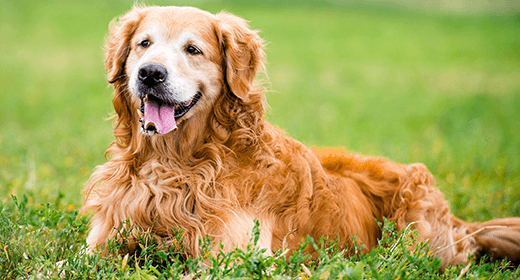
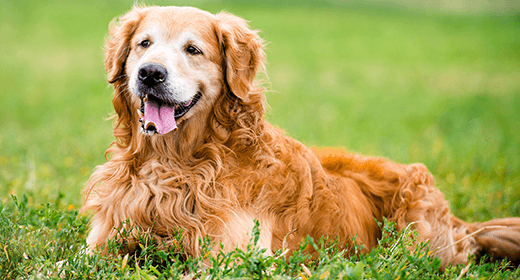
It depends on the breed of dog, but your pet's senior years generally begin at age 7. Louise Murray, DVM, director of the ASPCA's Bergh Memorial Animal Hospital in New York City and author of Vet Confidential (Ballantine, 2008), tells you what you need to know to keep your older dog spry and happy.


Senior Dog Health: Preventive Health

At this stage, Murray recommends taking your dog to the vet twice a year. 'So much can happen to an elderly dog,' she says. Your veterinarian can take blood annually to test liver and kidney functions. 'Discovering problems early is extremely important,' she says. Your vet can be on the lookout for conditions that often affect older dogs, such as anemia and arthritis.


Senior Dog Health: Urination, Bowel Movements, and Appetite

Pay attention to what might be subtle changes in your dog's habits: Is she drinking more water or urinating larger amounts? These behaviors might indicate a liver or kidney problem. Have your dog's bowel movements shifted? This could indicate a digestive issue. Diabetes or digestive problems might cause your dog to eat more but still lose weight. Knowing the dog's patterns can help the veterinarian determine a course of treatment.


Senior Dog Health: Flea, Tick, and Heartworm Medicines

Continue to use preventive medicines.


Senior Dog Health: Dental Health

Clean your dog's teeth daily. If she has tartar buildup, you might need to have her teeth professionally cleaned at your vet's office, which requires sedating your pet.


Senior Dog Health: Exercise

Your dog is probably less active, so steady, moderate exercise is best for her now. Don't turn her into a 'weekend warrior' who, after lying around on weekdays, accompanies you on a 10-mile hike on Saturdays. This is especially hard on an older dog's joints.


Senior Dog Health: Diet

Your veterinarian might wish to put your dog on a senior diet, such as IAMS™ ProActive Health™ Senior Plus. These formulations contain nutrients specifically geared toward older-dog health.
  • Do Dogs Like Hugs?
    Do Dogs Like Hugs?
    adp_description_block210
    Do Dogs Like Hugs?

    • Share

    Most humans recognize a hug as a sign of affection and friendship. In an IAMS™ survey*, 83% of dog parents say their dog likes hugs too. But how do dogs feel about them? Bring it in! We’re going to try and get our arms around this question.


    hugs fr 1dogs


    Dogs don’t like hugs: Spoiler alert

    Sure, some dogs enjoy a good canine cuddle, but usually only with their owner or household members. Otherwise, they don’t really care for it. “Hugging is too much and overwhelming for many dogs and should be discouraged if the dog doesn’t know the individual very well,” advises 

    Opens a new windowJames Serpell, B.S., Ph.D., Professor of Humane Ethics & Animal Welfare at the University of Pennsylvania School of Veterinary Medicine. 

    There are a number of reasons for this:


    Four legs vs. two

    Hugging is a human behavior, not a dog behavior. They’re just not physically built for that kind of interaction. We stand upright, so we face people. Dogs are on all fours, so it’s an unnatural act for them. They much prefer a friendly sniff to greet other dogs.


    Dominant behavior

    To dogs, a hug is seen as a very dominant form of behavior; it feels like a stranger is trying to assert control over them. It can be quite stressful, especially if done by someone they’re not familiar with.


    Freeeeeeeeeedom!

    Since ancient dog days, canines’ first instinctive line of defense has been to run away from danger. Hugging takes this primal option away and can make them feel trapped and confined. Remember when you were a kid getting hugged by that loud great aunt you’ve never met at your dad’s second cousin’s wedding? That’s kind of what your dog is feeling. Who is this? What are they doing? They want to escape too.


    hugs fr 2 min new


    Signs your dog does not like hugs

    You can usually tell by their body language, says 

    Opens a new windowDr. Jo Gale, BVetMed CertLAS MRCVS, Senior Manager, Global Science Advocacy at Waltham Petcare Science Institute: “Watch for trembling, trying to get away, raised hackles or whites around their eyes. It’s very important to pay attention to this behavior and respect it.”


    Alternatives to hugging your dog

    Don’t worry if your dog doesn’t want to hug it out. There are plenty of healthier ways you can show them you’re still their best friend:

    • Pet them or give them a good, relaxing brush.
    • Take them on walks or play a game with their favorite toy.
    • Give them their favorite food or treats.
    • Give them a verbal hug. Tell them they’re a “good boy” or a “good girl.” They never get tired of that.


    *Surveyed U.S. dog owners, age 18+ 

    Sample Size: n=201 

    Fielded May 8-10, 2020

Close modal