Enter a keyword below to search for articles and products.
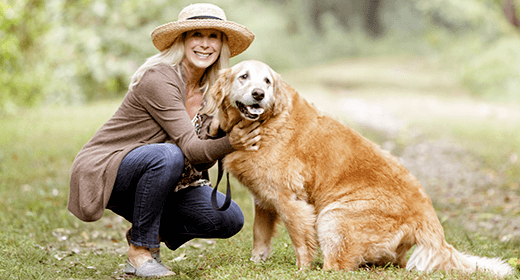
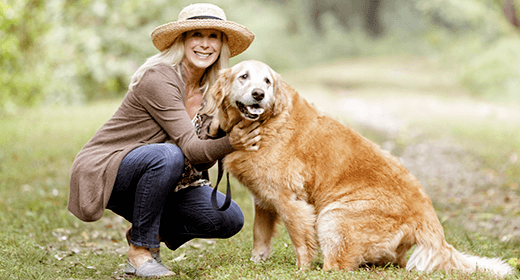
It depends on the breed of dog, but your pet's senior years generally begin at age 7. Louise Murray, DVM, director of the ASPCA's Bergh Memorial Animal Hospital in New York City and author of Vet Confidential (Ballantine, 2008), tells you what you need to know to keep your older dog spry and happy.
At this stage, Murray recommends taking your dog to the vet twice a year. 'So much can happen to an elderly dog,' she says. Your veterinarian can take blood annually to test liver and kidney functions. 'Discovering problems early is extremely important,' she says. Your vet can be on the lookout for conditions that often affect older dogs, such as anemia and arthritis.
Pay attention to what might be subtle changes in your dog's habits: Is she drinking more water or urinating larger amounts? These behaviors might indicate a liver or kidney problem. Have your dog's bowel movements shifted? This could indicate a digestive issue. Diabetes or digestive problems might cause your dog to eat more but still lose weight. Knowing the dog's patterns can help the veterinarian determine a course of treatment.
Continue to use preventive medicines.
Clean your dog's teeth daily. If she has tartar buildup, you might need to have her teeth professionally cleaned at your vet's office, which requires sedating your pet.
Your dog is probably less active, so steady, moderate exercise is best for her now. Don't turn her into a 'weekend warrior' who, after lying around on weekdays, accompanies you on a 10-mile hike on Saturdays. This is especially hard on an older dog's joints.
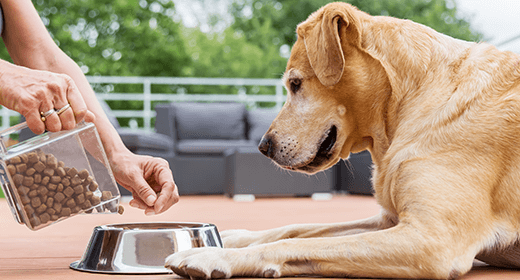
Your veterinarian might wish to put your dog on a senior diet, such as IAMS™ ProActive Health™ Senior Plus. These formulations contain nutrients specifically geared toward older-dog health.
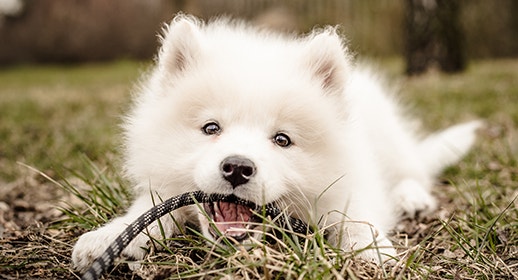
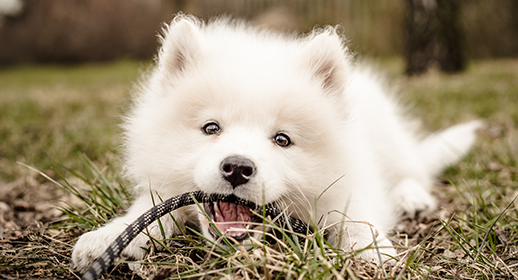
A puppy nibbling on your fingers may seem cute and harmless, but when he grows up, biting can become a hard habit to break. Join Expert Pet Trainer Kathy Santo as she explains the reasons puppies bite and what you can do to change their behavior.
Hi, I'm Kathy Santo with IAMS, and today we're going to discuss the dangers of allowing puppy biting, the importance of playing correctly, and how to stop the unwanted biting behavior.
It's normal and even cute when your puppy nibbles and lunges at your hands. Since your puppy has been exposed to only other puppies in the litter, who naturally play with biting and mouthing, it would make perfect sense why he would assume that playing with you wouldn't be different. But as puppies' teeth grow, and their bodies become stronger, what was once cute nibbling eventually turns into uncomfortable, or even dangerous, rough play and bites.
Since biting is an unacceptable type of play, it's important to teach your pup how to enjoy playing games with toys instead of your hand. Playing is a healthy, natural activity that helps build the bond between you and your puppy. This also affects your puppy's train ability-- sitting, waiting, learning tricks, not pulling on the leash, even to stop biting.
Before teaching your puppy not to bite, it's important to train your puppy to decrease bite pressure. Allow your puppy to begin mouthing and nibbling at your hand. When he bites down hard, yell 'ouch,' so he's startled and stops for a second. Continue allowing him to mouth your hand, making sure to speak up every time he bites too hard, so your puppy can learn your threshold for what is acceptable and what isn't.
Once your puppy understands your feedback about the strength of his bite, you can begin to reduce biting. The best way to teach your puppy not to bite is to redirect him to a toy or a chew bone. Simply give your dog a firm 'no,' and replace whatever he was biting with something he is allowed to chew.
If your puppy is three to six months old, there is a good chance he may be teething, so he might be trying to reduce discomfort by chewing. Try giving him an ice cube to chew on. It'll numb his gums and help alleviate the pain.
My favorite trick to get puppies to stop biting is to exaggerate, and pretend they've injured me, their friend. By pretending their nip actually hurt you, by pulling your hand away, yelling 'ouch,' and stop playing, you're replicating what other litter mates would do if another puppy were to cause them pain.
Managing and controlling puppy biting problems can be a major challenge for dog lovers. Puppy biting or nipping starts out as a bit of fun, but needs to be controlled quickly to avoid ongoing problems. Training your dog depends on a good relationship built on love and trust. It takes time to build a working partnership, and the more time and patience you have with your puppy from day one, the more obedient he'll be. Dogs want to please.
I'm Kathy Santo with IAMS, and I hope you found this as helpful as you welcome your new addition to your family.