Enter a keyword below to search for articles and products.
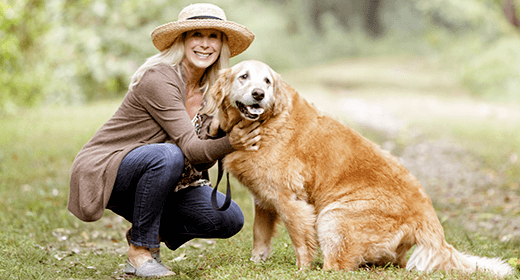
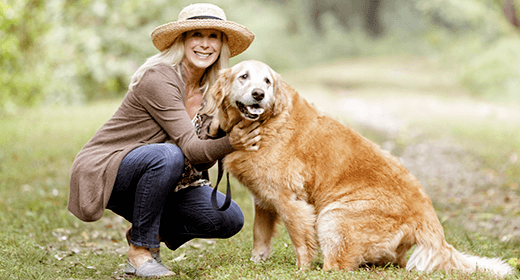
It depends on the breed of dog, but your pet's senior years generally begin at age 7. Louise Murray, DVM, director of the ASPCA's Bergh Memorial Animal Hospital in New York City and author of Vet Confidential (Ballantine, 2008), tells you what you need to know to keep your older dog spry and happy.
At this stage, Murray recommends taking your dog to the vet twice a year. 'So much can happen to an elderly dog,' she says. Your veterinarian can take blood annually to test liver and kidney functions. 'Discovering problems early is extremely important,' she says. Your vet can be on the lookout for conditions that often affect older dogs, such as anemia and arthritis.
Pay attention to what might be subtle changes in your dog's habits: Is she drinking more water or urinating larger amounts? These behaviors might indicate a liver or kidney problem. Have your dog's bowel movements shifted? This could indicate a digestive issue. Diabetes or digestive problems might cause your dog to eat more but still lose weight. Knowing the dog's patterns can help the veterinarian determine a course of treatment.
Continue to use preventive medicines.
Clean your dog's teeth daily. If she has tartar buildup, you might need to have her teeth professionally cleaned at your vet's office, which requires sedating your pet.
Your dog is probably less active, so steady, moderate exercise is best for her now. Don't turn her into a 'weekend warrior' who, after lying around on weekdays, accompanies you on a 10-mile hike on Saturdays. This is especially hard on an older dog's joints.
Your veterinarian might wish to put your dog on a senior diet, such as IAMS™ ProActive Health™ Senior Plus. These formulations contain nutrients specifically geared toward older-dog health.
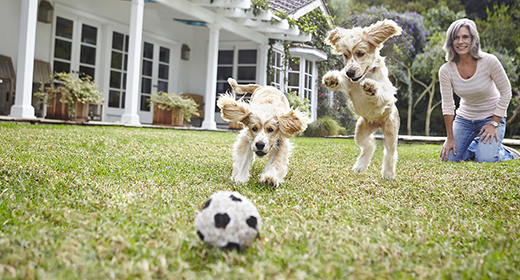
A: My personal preference is not to use food at all. When I have trained dogs for obedience, I have always used the verbal praise-reward method. It works well, especially with some dogs who are not motivated by food rewards.
Many people do use treat-based training with success, but I don't recommend offering table scraps as the treat. Giving a dog people food—in training or just as a general reward—may give the dog the idea that such food is fair game. It might encourage your pet to steal food from the table or from people, especially kids or guests.
In addition, many human foods can be toxic to dogs. These include chocolate, grapes, raisins, macadamia nuts, and xylitol (a sweetener often used in gum, candy, and baked goods).
As an alternative to table scraps, you could train your dog with snacks that are tasty, low in fat, and commercially prepared for training. But keep in mind that soft chew snacks may be high in sugar, which is bad for dental health. When shopping for treats, read package labels and choose premium varieties that list meat as the first ingredient.
Use only small amounts for training purposes—treats should not interfere with the consistency of a normal diet or greatly affect the caloric intake for the size and age of the dog. The training sessions should be short in length and repeated several times throughout the day. For young dogs, the training period should be no longer than five minutes.
Finally, the most important training tip is to keep it positive. If you're getting frustrated with your puppy's naturally short attention span, take a break. Strive to end the session on a positive note so your pet will be eager for the next time.
Janet Tobiassen, DVM, a veterinarian based in the state of Washington, has been practicing and writing about vet medicine since 1999. She started training dogs at age 12, through 4-H, and continued pet therapy and obedience training in veterinary school and beyond.