Enter a keyword below to search for articles and products.
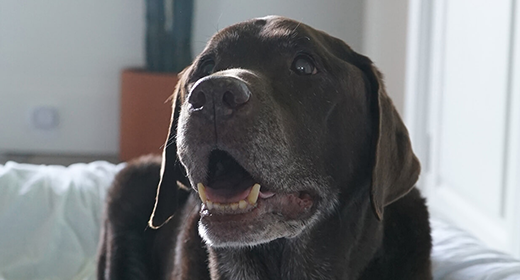
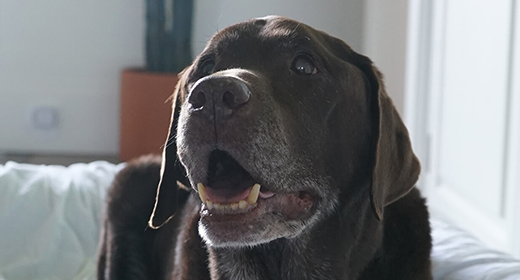
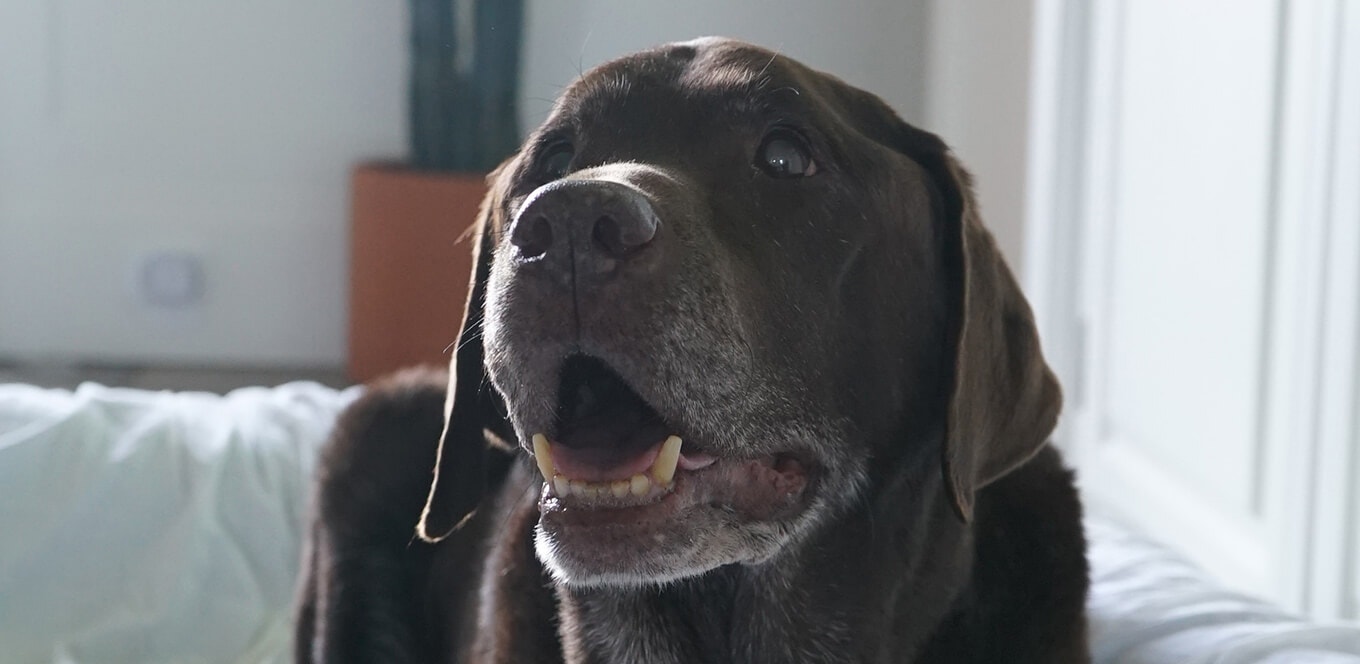
In the past, veterinarians recommended diets for senior dogs largely based on the nutritional management of diseases common to the aging process. Research, however, has shown that special nutrition can help manage body-condition problems in aging dogs, such as obesity and loss of muscle mass. Senior dogs also benefit from special nutrition to help maintain bone and joint health.
Learn more about how you can help your senior dog manage common health issues associated with aging.
Senior dogs tend to gain weight, despite consuming fewer calories, due to changes in their metabolic rate. Therefore, they can benefit from eating a diet with reduced fat levels and lower caloric density than adult maintenance foods.
Recent IAMS™ research in dogs also indicates that L-carnitine — a vitamin-like compound made in the body from the amino acids found in red meats, fish, chicken and milk — can help reduce weight in overweight dogs by escorting fat into cellular mitochondria where it is turned into energy.
Protein is the building block of muscle tissues. It is important for maintenance of muscle tissues, muscle strength and mobility. Recent research conducted by The IAMS Company has shown that senior dogs that eat a higher-protein diet better maintain muscle protein stores. By providing optimal protein levels from muscle maintenance, we can help senior dogs continue being physically active.
This research is contrary to conventional opinion that senior dog foods should contain lower protein levels than adult maintenance formulas to avoid progressive decrease in kidney function. However, senior dogs fed a high-protein diet had stable renal function and a lower death rate than dogs fed a lower-protein diet.*
During the aging process, cartilage between joints often begins deteriorating. Nutritional management can help maintain healthy bones and joints and mobility in dogs in several ways:
Some pet-food manufacturers have endorsed reduced levels of calcium and phosphorus based on the belief that excesses of these minerals are harmful to the kidneys. However, research has shown that no damaging accumulation of calcium or phosphorus was found in the kidneys of older dogs fed diets containing maintenance levels of calcium and phosphorus for four years.*
* Finco, DR. “Effects of aging and dietary protein intake of uninephrectomized geriatric dogs.” American Journal of Veterinary Research; Vol. 55, No. 9. Sept. 1994.
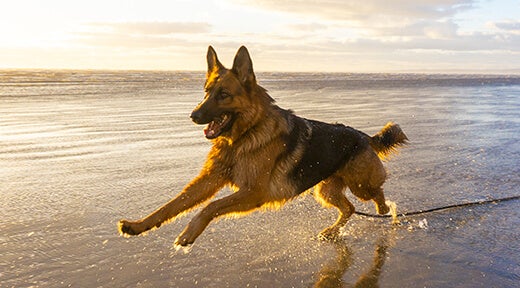
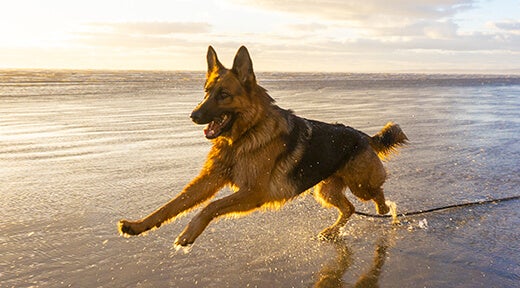
German Shepherd Dogs are one of the most loved breeds in the world! They're incredibly smart, versatile and learn new behaviors quickly. If that wasn't enough, they're also faithful companions that are very protective of their families.
But before you take the leap and adopt a German Shepherd, there are a few things you must know about looking after one. As is the case with raising a dog of any breed, caring for a German Shepherd needs commitment, patience and understanding.
a. Exercising German Shepherds
German Shepherds are fantastic creatures in every sense, and it is easy to see why. GSDs are naturally energetic and need dedicated time daily to burn it off. They need at least 60minutes of daily physical exercise such as running and playing fetch in a park. A fit dog is a happy dog and one that is exercised regularly will not be happy, but healthy too.
b. Grooming German Shepherds
Be prepared to keep your vacuum cleaner handy. GSDs have thick coats, making them prone to shedding. Grooming your GSD takes time as well. You will need to give your pet a comb down at least 3 times a week. But you won’t need to bathe your dog too often (unless advised to do so by your vet).
c. Dog Food for German Shepherds
To stay healthy and active, German Shepherds require complete and balanced meals that are tailor-made to meet their unique needs. You could try a premium recipe like IAMS™ Proactive Health™ for Adult German Shepherds, which is specially formulated food for German Shepherds. This recipe is a blend of beet pulp and prebiotics (FOS) that supports healthy digestion, calcium, magnesium and other minerals and vitamins to support a healthy heart, and Omega 6 and 3 fatty acids to support skin and coat health. We recommend dividing their daily intake into two meals.
| SIZE OF GERMAN SHEPHERD | RECOMMENDED DAILY FEEDING (g) |
| 20-30 kg | 245-330 |
| 30-40 kg | 330-410 |
| 40-50 kg | 410-485 |
| 50-60 kg | 485-555 |
d. Diseases German Shepherds are Susceptible to
Like most dog breeds, German Shepherds are prone to diseases as well. But here are a few common diseases they are known to suffer from. Hip and elbow dysplasia, allergies, degenerative myelopathy, inherited eye diseases, exocrine pancreatic insufficiency, skin and heart disease, and thyroid disease. If you remain dedicated to providing your dog with the right kind of nutrition along with proper exercise, you should be able to keep illness at bay.
German Shepherds are a special breed. They have high energy, are strong and have oodles of stamina. But they also need a lot of attention and activity. If you are away from home frequently or dont have the time to spend exercising or grooming them, then a German Shepherd isn't the right choice for you. So are you ready to start caring for a German Shepherd? Ask yourself these questions before making a decision:
Do I have the time and energy to train my German Shepherd?
Do I have enough space in my home for such a large dog to flourish?
Am I financially stable to care for my GSD if any health issues arise?
If you answer yes to these questions, then you are ready to enjoy an action-packed life with
your furry new friend!