Enter a keyword below to search for articles and products.


Dogs are as unique as people, but despite their differences, they all need a well-balanced diet for good health. However, dogs of different ages and sizes have different nutritional needs, and this is especially true for puppies. When you factor in developmental needs, ingredients and your puppy’s size and breed, choosing the right food can be difficult.
The energy requirements of a puppy can be nearly twice those of an adult dog. This means that a puppy might not have the stomach capacity to eat enough food to meet his needs unless the food is specially formulated.
When choosing a puppy food, select one that provides a highly digestible, nutrient-dense, 100% complete premium formula for growth. Such high-quality formulas contain the vitamins, minerals, protein, fat and carbohydrates your dog needs for sound and healthy development. With a premium formula, your puppy may have:
Puppies grow fastest during the first six months of life, and because growth rates differ among breed sizes, you need a formula designed to address the needs of your puppy’s breed or size. Feed your puppy this formula based on the recommended amounts for his weight and age until he is an adult.
Although large-breed dogs have bigger bones than medium or small breeds, large-breed puppies do not need more calcium. University studies have shown that:
Overfeeding and weight gain can contribute to developmental bone problems. This makes managing food intake even more critical. Puppies are at greater risk for developmental bone problems if they are overfed.
A formula with reduced fat and calories promotes optimum growth. Controlling the rate of growth to promote normal development is another reason to feed a large-breed diet, such as IAMS™ ProActive Health™ Smart Puppy Large Breed.
Medium-breed puppies have needs between those of large- and small-breed dogs. A medium-breed puppy’s nutritional demands can be satisfied by feeding a 100% complete and balanced formula that features moderate amounts of all the essential vitamins and nutrients, such as IAMS ProActive Health Smart Puppy Original.

Small-breed puppies have unique needs due to their small mouths and small stomachs, as well as the rapid growth spurt they experience when growing to adult size. That’s why it’s important to pack a lot of nutrition and energy into a small amount of food. A poor-quality diet might fill a puppy’s stomach before he can eat enough food to satisfy his nutritional needs. The result can be improper muscle and skeletal development and growth impairment.
IAMS™ puppy foods are formulated to be energy- and nutrient-dense to meet the needs of growing puppies. The IAMS™ formula for small and toy puppy breeds, IAMS™ ProActive Health™ Smart Puppy Small & Toy Breed, has concentrated nutrition for the lifelong health of your small- or toy-breed dog.


Providing your dog with a balanced diet of nutritious dog food will ensure they get adequate amounts of protein, fat and fiber. All three are essential to your dog’s health and happiness — and all three can be found in every IAMS™ product we produce. Learn more about how these three vital elements can support your dog’s whole-body health.
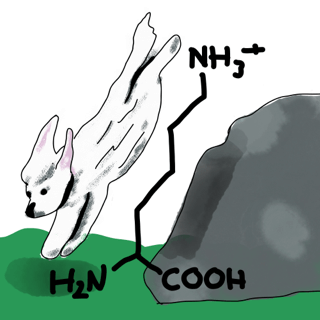
Protein Protein helps keep your dog’s muscles strong.
Protein helps keep your dog’s muscles strong. It also provides the amino acids necessary to build and repair proteins in their body. Many of these amino acids must be acquired through a dog’s diet.
Recipes contain animal-based proteins that provide the essential amino acids dogs need. Plus, we conduct special refining and quality assurance tests to ensure we only use high-quality, highly digestible protein sources for increased digestibility.
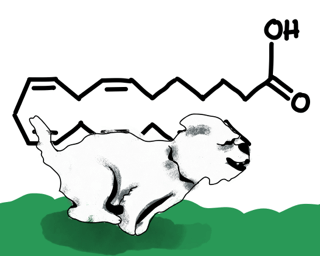
Fat gives your dog energy and helps nourish their skin and coat.
Fat provides energy. Your dog needs two types of fatty acids: omega-6 andomega-3 fatty acids. Omega-6 fatty acids are found in chicken fat and corn.Omega-3 fatty acids are found in ingredients such as canola, fish meal or oil, andflax. Both types help nourish and support your dog’s skin and coat.
Fiber and prebiotics help support your dog’s digestion.
IAMS™ dog food recipes feature a tailored blend of natural fiber from ingredients like beet pulp, as well as prebiotics to help support your dog’s digestion. Research has shown that moderately fermentable fiber, such as beet pulp, enhances intestinal health.
Feeding your dog a balanced diet that contains the right amounts of protein, fats and fiber is one of the most important ways you can care for and nourish them. To see the di!erence a healthy diet can make in your dog, feed them an IAMS recipe that’s tailored to their unique dietary needs, such as their size, age and breed. Are you ready to See the Wow?