Enter a keyword below to search for articles and products.


Dogs are as unique as people, but despite their differences, they all need a well-balanced diet for good health. However, dogs of different ages and sizes have different nutritional needs, and this is especially true for puppies. When you factor in developmental needs, ingredients and your puppy’s size and breed, choosing the right food can be difficult.
The energy requirements of a puppy can be nearly twice those of an adult dog. This means that a puppy might not have the stomach capacity to eat enough food to meet his needs unless the food is specially formulated.
When choosing a puppy food, select one that provides a highly digestible, nutrient-dense, 100% complete premium formula for growth. Such high-quality formulas contain the vitamins, minerals, protein, fat and carbohydrates your dog needs for sound and healthy development. With a premium formula, your puppy may have:
Puppies grow fastest during the first six months of life, and because growth rates differ among breed sizes, you need a formula designed to address the needs of your puppy’s breed or size. Feed your puppy this formula based on the recommended amounts for his weight and age until he is an adult.
Although large-breed dogs have bigger bones than medium or small breeds, large-breed puppies do not need more calcium. University studies have shown that:
Overfeeding and weight gain can contribute to developmental bone problems. This makes managing food intake even more critical. Puppies are at greater risk for developmental bone problems if they are overfed.
A formula with reduced fat and calories promotes optimum growth. Controlling the rate of growth to promote normal development is another reason to feed a large-breed diet, such as IAMS™ ProActive Health™ Smart Puppy Large Breed.
Medium-breed puppies have needs between those of large- and small-breed dogs. A medium-breed puppy’s nutritional demands can be satisfied by feeding a 100% complete and balanced formula that features moderate amounts of all the essential vitamins and nutrients, such as IAMS ProActive Health Smart Puppy Original.
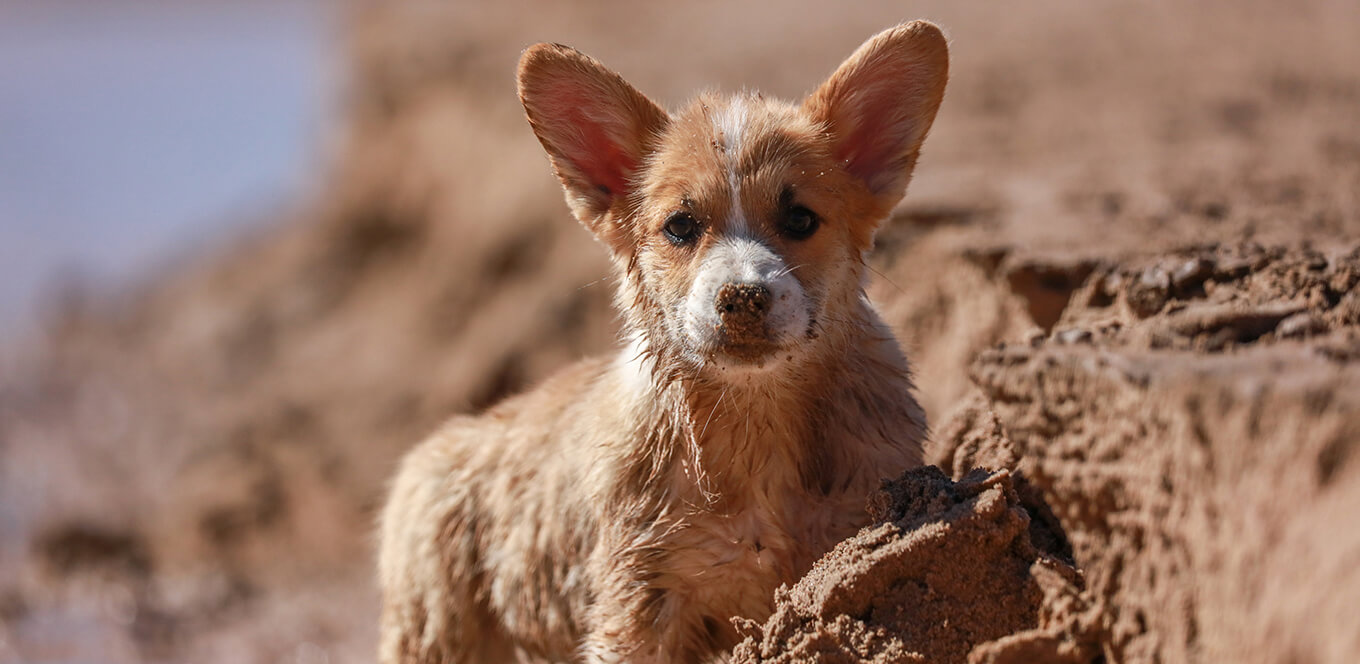
Small-breed puppies have unique needs due to their small mouths and small stomachs, as well as the rapid growth spurt they experience when growing to adult size. That’s why it’s important to pack a lot of nutrition and energy into a small amount of food. A poor-quality diet might fill a puppy’s stomach before he can eat enough food to satisfy his nutritional needs. The result can be improper muscle and skeletal development and growth impairment.
IAMS™ puppy foods are formulated to be energy- and nutrient-dense to meet the needs of growing puppies. The IAMS™ formula for small and toy puppy breeds, IAMS™ ProActive Health™ Smart Puppy Small & Toy Breed, has concentrated nutrition for the lifelong health of your small- or toy-breed dog.
Dogs use a range of sounds to communicate with us and each other. Just as important is the body language they use to tell us how they feel or what they need. How well do you know your pooch’s unspoken cues? Read on to find out.
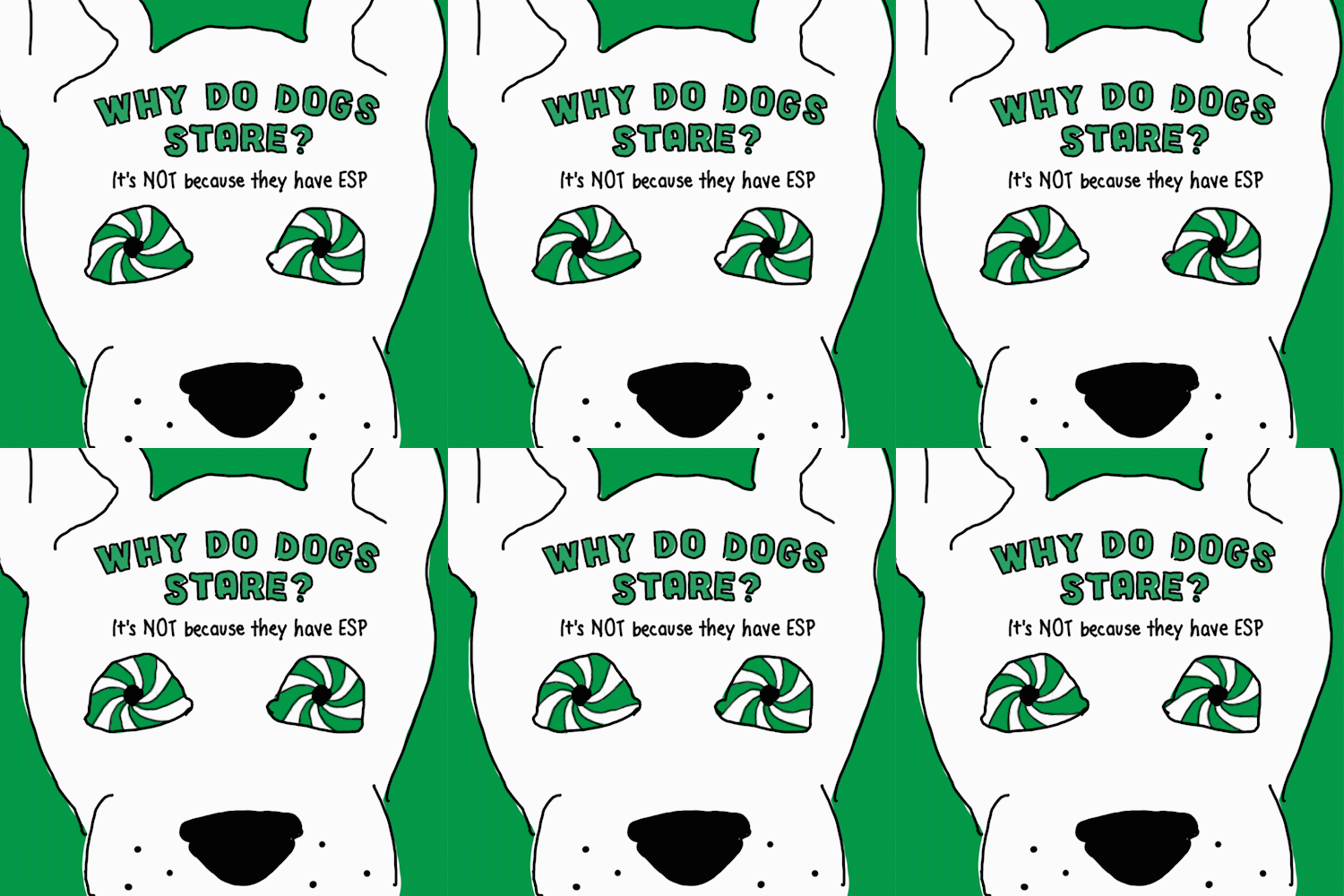
Dogs often stare at their owners because they love them. They want to make sure you’re okay or find clues for what you’ll do next — like making sure you’re not going for a car ride without them.
We love it when dogs do this, too, which has led to this trait being even more prominent.
Opens a new windowDr. James Serpell, BSc, PhD, Professor of Humane Ethics & Animal Welfare at University of Pennsylvania School of Veterinary Medicine, explains: “We've selected dogs for this behavior. Humans love that dogs look up at them in admiration, intense loyalty. One frequent observation researchers have made is that people who handle wild dogs ... they don't look their handlers in the eye like domesticated dogs do.”
Dogs have great hearing. High-frequency sounds that humans can’t hear are especially interesting to them. Head-tilting helps them track down the source. Owners find these head tilts super cute and often reward this behavior, which, of course, makes them do it more.
Dogs yawn when they’re tired, but it’s also a possible sign they’re stressed, impatient or frustrated — like when they’re in the vet’s office, or when you won’t throw that ball you’re holding already!
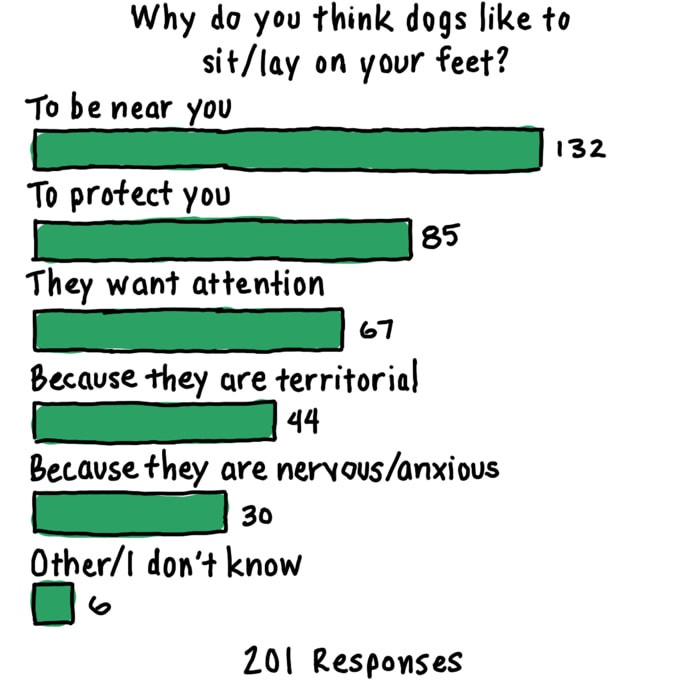
In a recent IAMS poll,* 90% of dog owners said their pet sits or lays on their feet and 100% of dogs said they love their owners. Dogs are very social creatures and this is a way for them to connect and be close to you. Plus, it keeps your feet warm.
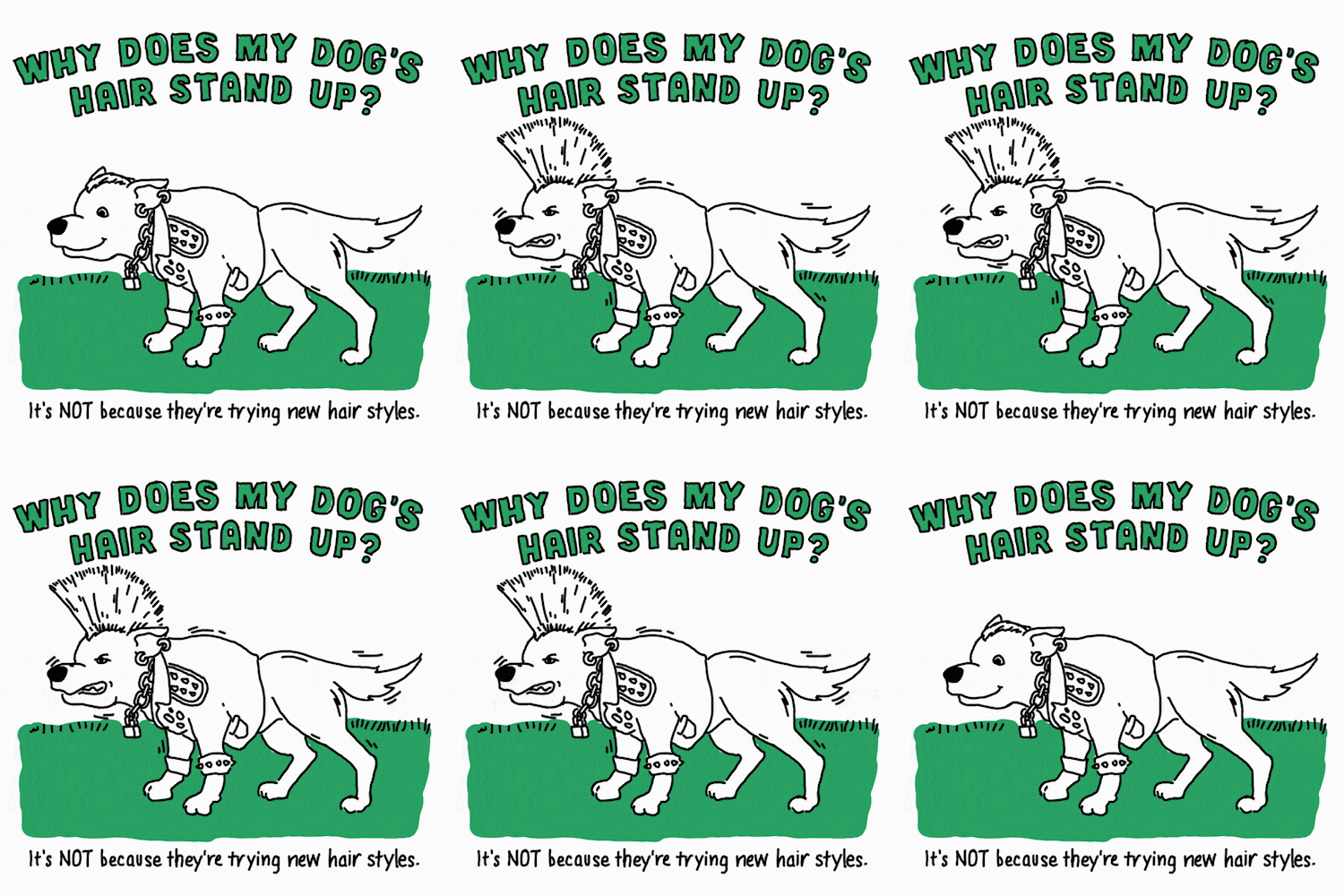
Often called “raised hackles,” dogs do this when they’re nervous, threatened or showing aggression. It’s an adaptation from their wild days of attempting to make themselves look bigger.
Opens a new window Dr. Tammie King, Applied Behavior Technical Leader at Waltham Petcare Science Institute, offered this insight to keep in mind: “What’s important when talking about a dog’s body language is to not take one thing in isolation. You’re at risk of misinterpreting what the dog is trying to say to you. Context is everything.”
So be sure to pay attention to what your dog isn’t saying to keep them healthy and happy. Serving them
Opens a new windowIAMS dog food every day will certainly help.
*Surveyed U.S. dog owners, age 18+
Sample Size: n=201
Fielded May 8 to May 10, 2020