Enter a keyword below to search for articles and products.
When, Why, and How to Start Feeding Your Pup Grown-up Nutrition
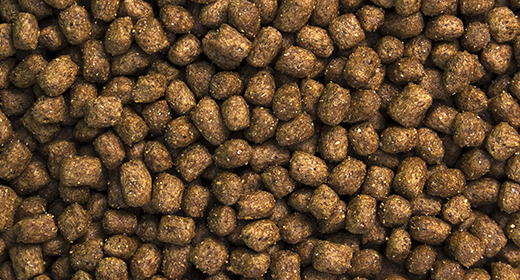
As your puppy grows into an adult dog, he needs nutrition that keeps his body as strong as your love, and that means a high-quality, premium adult formula such as IAMS™ ProActive Health™ Adult MiniChunks
Why move your grown-up pup to a premium adult dog food? Because quality counts. It's crucial to continue his superb puppy nutrition into adulthood. Downgrading to a lower-quality brand at this stage of his life may upset his digestive system, and won't provide him with the same level of nutritional excellence he was raised on.
Think of a baby. When it's time to start giving him solid food, you wouldn't dream of feeding your child anything less than the best nutrition you can buy. The same is true for your maturing puppy. He needs the best age-appropriate food there is to help maintain his overall health.
Premium foods, such as IAMS, are specifically designed to provide your dog with a food that has:
What does it all add up to? A happy, healthy dog. With premium dog food, you can expect key indicators that contribute to providing your dog with a long, healthy life:
Founded on more than 60 years of research into canine nutrition, premium formulas from IAMS help maintain your dog's health and provide him with the nutrition he needs for a long life. Basic brands may not provide these benefits or match the level of expertise that goes into every bag of dog food from IAMS.
Your puppy's transition to adult food should begin when he approaches adult height. His breed type will also help determine when to switch. Small-breed dogs tend to mature physically much sooner than large-breed dogs. Follow these guidelines to help you decide when to switch formulas:
Large- and giant-breed dogs, those weighing more than 50 pounds when fully grown, might not be ready to switch to an adult food until they're 12 to 24 months old.
To avoid upsetting your dog's intestinal tract or causing diarrhea, make the change from a puppy formula to an adult diet over a period of four days by mixing the two foods in your dog's bowl.
How much food should you give your dog? Check the daily feeding recommendations established by the pet-food manufacturer and read the label. Dan Carey, DVM and Director of Technical Communications at IAMS, suggests using the recommendations, then weighing your dog each week. If he's gaining or losing weight and shouldn't be, slightly decrease or increase his daily intake, and weigh him again in another week.
If you have specific concerns about your dog's weight, talk to your veterinarian. He or she can assess your dog's needs and give you a feeding recommendation.
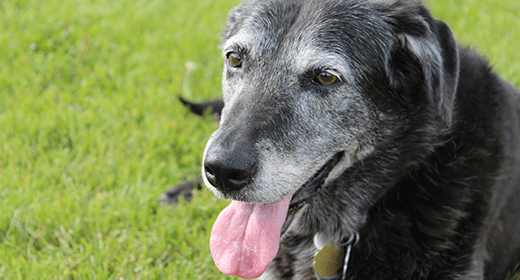
As dogs age, changes occur in the way their bodies function, so it makes sense that what they eat also might need to change. The following list of health issues might be more common in aging pets.
Decreased Immune System Function
Throughout a dog’s life, a process called peroxidation occurs. Peroxidation is a normal process that the body uses to destroy cells that outlive their usefulness and to kill germs, parasites, etc. This process, however, also can destroy or damage healthy cells. As your dog ages, the damage caused by peroxidation accumulates, which, in turn, increases the risk of certain problems, such as infections.
Antioxidants are naturally occurring nutrients that help maintain overall health by neutralizing the peroxidation process of cellular molecules. Some antioxidants, such as vitamin E, beta-carotene, and lutein, are naturally occurring nutrients.
Recent research sponsored by The IAMS™ Company found that dogs fed a diet rich in antioxidants such as vitamin E, lutein, or beta-carotene had improved immune responses and vaccine recognition. This might be especially important in senior dog care; IAMS research has found that as dogs age, immune responses can decrease.
More Frequent Intestinal Problems
Older dogs might have higher numbers of unfavorable bacteria and lower numbers of beneficial bacteria in their intestines, which can result in clinical signs of gastrointestinal problems (e.g., diarrhea).
Feeding a diet containing fructooligosaccharides (FOS), a unique fiber source that helps nutritionally maintain healthy intestinal bacterial populations, promotes growth of beneficial bacteria. Beet pulp, a moderably fermentable fiber source, also helps maintain intestinal health by providing energy for the cells lining the intestine and promoting small, firm stools.
Different dogs show signs of aging at different times, and much of this variation is associated with size. Larger dogs generally appear 'old' sooner than smaller dogs. The table below lists the age at which various groups of dogs should be transitioned to senior foods, such as IAMS™ ProActive Health™ Senior Plus.
| Weight Range | Age to Begin Transition |
|---|---|
| More than 90 lbs | 5 years |
| 51 to 90 lbs | 6 years |
| 21 to 50 lbs | 7 years |
| Up to 20 lbs | 7 years |