Enter a keyword below to search for articles and products.
When, Why, and How to Start Feeding Your Pup Grown-up Nutrition
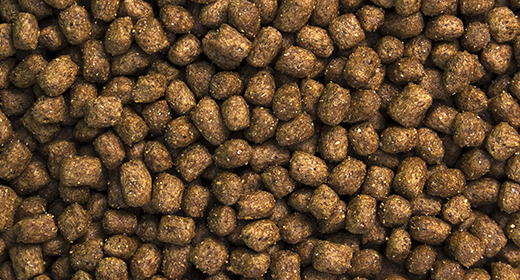
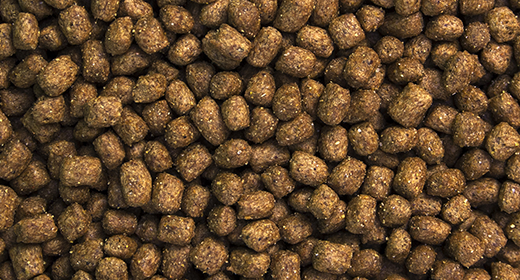
As your puppy grows into an adult dog, he needs nutrition that keeps his body as strong as your love, and that means a high-quality, premium adult formula such as IAMS™ ProActive Health™ Adult MiniChunks
Why move your grown-up pup to a premium adult dog food? Because quality counts. It's crucial to continue his superb puppy nutrition into adulthood. Downgrading to a lower-quality brand at this stage of his life may upset his digestive system, and won't provide him with the same level of nutritional excellence he was raised on.
Think of a baby. When it's time to start giving him solid food, you wouldn't dream of feeding your child anything less than the best nutrition you can buy. The same is true for your maturing puppy. He needs the best age-appropriate food there is to help maintain his overall health.
Premium foods, such as IAMS, are specifically designed to provide your dog with a food that has:
What does it all add up to? A happy, healthy dog. With premium dog food, you can expect key indicators that contribute to providing your dog with a long, healthy life:
Founded on more than 60 years of research into canine nutrition, premium formulas from IAMS help maintain your dog's health and provide him with the nutrition he needs for a long life. Basic brands may not provide these benefits or match the level of expertise that goes into every bag of dog food from IAMS.
Your puppy's transition to adult food should begin when he approaches adult height. His breed type will also help determine when to switch. Small-breed dogs tend to mature physically much sooner than large-breed dogs. Follow these guidelines to help you decide when to switch formulas:
Large- and giant-breed dogs, those weighing more than 50 pounds when fully grown, might not be ready to switch to an adult food until they're 12 to 24 months old.
To avoid upsetting your dog's intestinal tract or causing diarrhea, make the change from a puppy formula to an adult diet over a period of four days by mixing the two foods in your dog's bowl.
How much food should you give your dog? Check the daily feeding recommendations established by the pet-food manufacturer and read the label. Dan Carey, DVM and Director of Technical Communications at IAMS, suggests using the recommendations, then weighing your dog each week. If he's gaining or losing weight and shouldn't be, slightly decrease or increase his daily intake, and weigh him again in another week.
If you have specific concerns about your dog's weight, talk to your veterinarian. He or she can assess your dog's needs and give you a feeding recommendation.


Oral care is a key component of your pet’s overall health: A smart regimen can help prevent the development of serious conditions. Keeping your pet’s teeth clean and bacteria-free results in more than just healthy teeth and fresh breath. With a little know-how and effort, you can protect your pet for a lifetime of companionship.
Tartar and gingivitis are the most common problems seen by veterinarians. The majority of dogs will develop these problems. Unchecked, these can lead to periodontitis and serious health concerns for your pet, up to and including, tooth loss and serious illness. But you can take action to control this and promote good oral health by incorporating the 3Ds: Daily Brushing, Dentistry. and Diet.
Daily brushing of your pet’s teeth will remove plaque and slow the development of tartar. When first beginning to brush, be gradual and make it a pleasant experience. Start by using your finger. Later, introduce a toothbrush. Be sure to praise and reassure your pet while brushing. Also, reward your pet afterward with play or a walk.
Talk with your veterinarian about annual or semiannual teeth cleaning—a dental prophylaxis or prophy for short. Teeth cleaning, performed by your veterinarian, is the only way to remove tartar.
Diet is important to good oral health. The mechanical, brushing action of dry, crunchy kibbles helps remove plaque and works to scrub teeth clean. Some diets also might include ingredients such as hexametaphosphate (HMP) that can help block tartar formation. Diet, daily brushing, and dentistry helps break the plaque-to- tartar cycle and optimize oral health.