Enter a keyword below to search for articles and products.
When, Why, and How to Start Feeding Your Pup Grown-up Nutrition
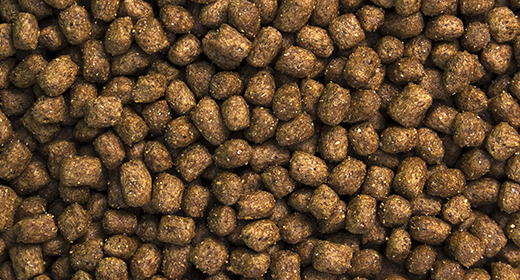
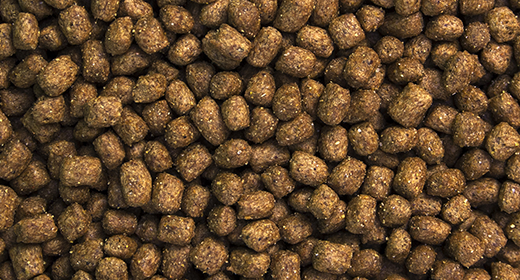
As your puppy grows into an adult dog, he needs nutrition that keeps his body as strong as your love, and that means a high-quality, premium adult formula such as IAMS™ ProActive Health™ Adult MiniChunks
Why move your grown-up pup to a premium adult dog food? Because quality counts. It's crucial to continue his superb puppy nutrition into adulthood. Downgrading to a lower-quality brand at this stage of his life may upset his digestive system, and won't provide him with the same level of nutritional excellence he was raised on.
Think of a baby. When it's time to start giving him solid food, you wouldn't dream of feeding your child anything less than the best nutrition you can buy. The same is true for your maturing puppy. He needs the best age-appropriate food there is to help maintain his overall health.
Premium foods, such as IAMS, are specifically designed to provide your dog with a food that has:
What does it all add up to? A happy, healthy dog. With premium dog food, you can expect key indicators that contribute to providing your dog with a long, healthy life:
Founded on more than 60 years of research into canine nutrition, premium formulas from IAMS help maintain your dog's health and provide him with the nutrition he needs for a long life. Basic brands may not provide these benefits or match the level of expertise that goes into every bag of dog food from IAMS.
Your puppy's transition to adult food should begin when he approaches adult height. His breed type will also help determine when to switch. Small-breed dogs tend to mature physically much sooner than large-breed dogs. Follow these guidelines to help you decide when to switch formulas:
Large- and giant-breed dogs, those weighing more than 50 pounds when fully grown, might not be ready to switch to an adult food until they're 12 to 24 months old.
To avoid upsetting your dog's intestinal tract or causing diarrhea, make the change from a puppy formula to an adult diet over a period of four days by mixing the two foods in your dog's bowl.
How much food should you give your dog? Check the daily feeding recommendations established by the pet-food manufacturer and read the label. Dan Carey, DVM and Director of Technical Communications at IAMS, suggests using the recommendations, then weighing your dog each week. If he's gaining or losing weight and shouldn't be, slightly decrease or increase his daily intake, and weigh him again in another week.
If you have specific concerns about your dog's weight, talk to your veterinarian. He or she can assess your dog's needs and give you a feeding recommendation.

Ethoxyquin is a synthetic antioxidant (artificially manufactured from other elements) that is approved for different uses.
Ethoxyquin is approved and regulated by the Food and Drug Administration (FDA) and the Association of American Feed Control Officials (AAFCO) for use as a preservative in animal feeds.
Dog-food manufacturers have been using ethoxyquin to prevent rancidity and to maintain the nutritional quality of their products for more than 35 years.
Ethoxyquin remains stable at the high temperatures required to process dog foods during extrusion. It is important in protecting fats and oils from degrading, losing available calories, and becoming rancid.
Despite the fact that all studies conducted to date prove that ethoxyquin is safe for use in all animal foods when used at approved levels, rumors continue to circulate to the contrary.
Individuals who seek to discredit the use of ethoxyquin will often cite certain studies that showed toxic effects in animals fed ethoxyquin. What these individuals fail to point out is that the animals in these studies were given excessive amounts of ethoxyquin—20 to more than 50 times the maximum limit—before negative effects were exhibited.