IAMS IN
Is Your Puppy Ready for Adult Dog Food?
Is Your Puppy Ready for Adult Dog Food?mob

adp_description_block377
Is Your Puppy Ready for Adult Dog Food?

  • Share

When, Why, and How to Start Feeding Your Pup Grown-up Nutrition

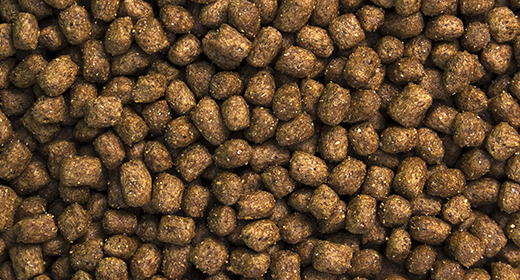
As your puppy grows into an adult dog, he needs nutrition that keeps his body as strong as your love, and that means a high-quality, premium adult formula such as IAMS™ ProActive Health™ Adult MiniChunks


The Benefits of Feeding Premium Food

Why move your grown-up pup to a premium adult dog food? Because quality counts. It's crucial to continue his superb puppy nutrition into adulthood. Downgrading to a lower-quality brand at this stage of his life may upset his digestive system, and won't provide him with the same level of nutritional excellence he was raised on.

Think of a baby. When it's time to start giving him solid food, you wouldn't dream of feeding your child anything less than the best nutrition you can buy. The same is true for your maturing puppy. He needs the best age-appropriate food there is to help maintain his overall health.

Premium foods, such as IAMS, are specifically designed to provide your dog with a food that has:

  • High-quality ingredients
  • High total-diet digestibility
  • Balanced, optimal levels of protein, fat, fiber, carbohydrates, vitamins, and minerals
  • A nutrient-dense formulation appropriate for a particular life stage
  • Consistent, high-quality, natural-ingredient recipes that do not change because of manufacturing costs
  • Specific fatty-acid balance to help maintain healthy skin and coat
  • Great palatability and taste, based on feeding trials
  • Met or exceeded the Association of American Feed Control Officials guidelines
  • Product guarantees


Premium-Food Results

What does it all add up to? A happy, healthy dog. With premium dog food, you can expect key indicators that contribute to providing your dog with a long, healthy life:

  • Exceptional muscle tone
  • A shiny, luxurious coat
  • Healthy skin and bones
  • Clean teeth
  • Clear, bright eyes
  • Small, firm stools

Founded on more than 60 years of research into canine nutrition, premium formulas from IAMS help maintain your dog's health and provide him with the nutrition he needs for a long life. Basic brands may not provide these benefits or match the level of expertise that goes into every bag of dog food from IAMS.


When to Switch

Your puppy's transition to adult food should begin when he approaches adult height. His breed type will also help determine when to switch. Small-breed dogs tend to mature physically much sooner than large-breed dogs. Follow these guidelines to help you decide when to switch formulas:

  • Small-breed dogs that weigh 20 pounds or less when fully grown are usually ready to eat adult food at 9 to 12 months of age.
  • Medium-breed dogs that weigh between 20 and 50 pounds as adults normally mature at 12 to 14 months of age.

Large- and giant-breed dogs, those weighing more than 50 pounds when fully grown, might not be ready to switch to an adult food until they're 12 to 24 months old.


Make the Transition

To avoid upsetting your dog's intestinal tract or causing diarrhea, make the change from a puppy formula to an adult diet over a period of four days by mixing the two foods in your dog's bowl.

  • Day One: Fill your dog’s bowl with 75% puppy food and 25% adult food.
  • Day Two: Mix the adult and puppy food in a 50/50 ratio.
  • Day Three: Feed your dog a mixture that’s 75% adult food and 25% puppy food.
  • Day Four: Switch to 100% adult formula.

How much food should you give your dog? Check the daily feeding recommendations established by the pet-food manufacturer and read the label. Dan Carey, DVM and Director of Technical Communications at IAMS, suggests using the recommendations, then weighing your dog each week. If he's gaining or losing weight and shouldn't be, slightly decrease or increase his daily intake, and weigh him again in another week.


If you have specific concerns about your dog's weight, talk to your veterinarian. He or she can assess your dog's needs and give you a feeding recommendation.
  • Do Dogs Like Hugs?
    Do Dogs Like Hugs?
    adp_description_block210
    Do Dogs Like Hugs?

    • Share

    Most humans recognize a hug as a sign of affection and friendship. In an IAMS™ survey*, 83% of dog parents say their dog likes hugs too. But how do dogs feel about them? Bring it in! We’re going to try and get our arms around this question.


    hugs fr 1dogs


    Dogs don’t like hugs: Spoiler alert

    Sure, some dogs enjoy a good canine cuddle, but usually only with their owner or household members. Otherwise, they don’t really care for it. “Hugging is too much and overwhelming for many dogs and should be discouraged if the dog doesn’t know the individual very well,” advises 

    Opens a new windowJames Serpell, B.S., Ph.D., Professor of Humane Ethics & Animal Welfare at the University of Pennsylvania School of Veterinary Medicine. 

    There are a number of reasons for this:


    Four legs vs. two

    Hugging is a human behavior, not a dog behavior. They’re just not physically built for that kind of interaction. We stand upright, so we face people. Dogs are on all fours, so it’s an unnatural act for them. They much prefer a friendly sniff to greet other dogs.


    Dominant behavior

    To dogs, a hug is seen as a very dominant form of behavior; it feels like a stranger is trying to assert control over them. It can be quite stressful, especially if done by someone they’re not familiar with.


    Freeeeeeeeeedom!

    Since ancient dog days, canines’ first instinctive line of defense has been to run away from danger. Hugging takes this primal option away and can make them feel trapped and confined. Remember when you were a kid getting hugged by that loud great aunt you’ve never met at your dad’s second cousin’s wedding? That’s kind of what your dog is feeling. Who is this? What are they doing? They want to escape too.


    hugs fr 2 min new


    Signs your dog does not like hugs

    You can usually tell by their body language, says 

    Opens a new windowDr. Jo Gale, BVetMed CertLAS MRCVS, Senior Manager, Global Science Advocacy at Waltham Petcare Science Institute: “Watch for trembling, trying to get away, raised hackles or whites around their eyes. It’s very important to pay attention to this behavior and respect it.”


    Alternatives to hugging your dog

    Don’t worry if your dog doesn’t want to hug it out. There are plenty of healthier ways you can show them you’re still their best friend:

    • Pet them or give them a good, relaxing brush.
    • Take them on walks or play a game with their favorite toy.
    • Give them their favorite food or treats.
    • Give them a verbal hug. Tell them they’re a “good boy” or a “good girl.” They never get tired of that.


    *Surveyed U.S. dog owners, age 18+ 

    Sample Size: n=201 

    Fielded May 8-10, 2020

Close modal