Enter a keyword below to search for articles and products.
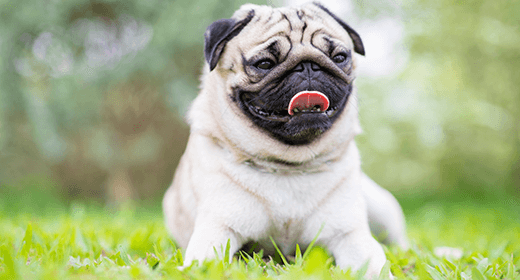
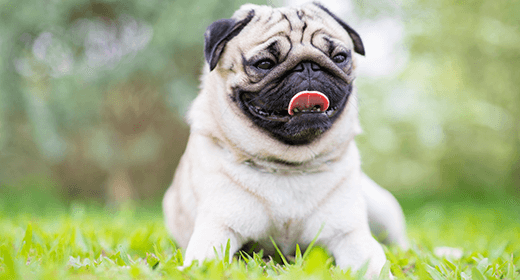
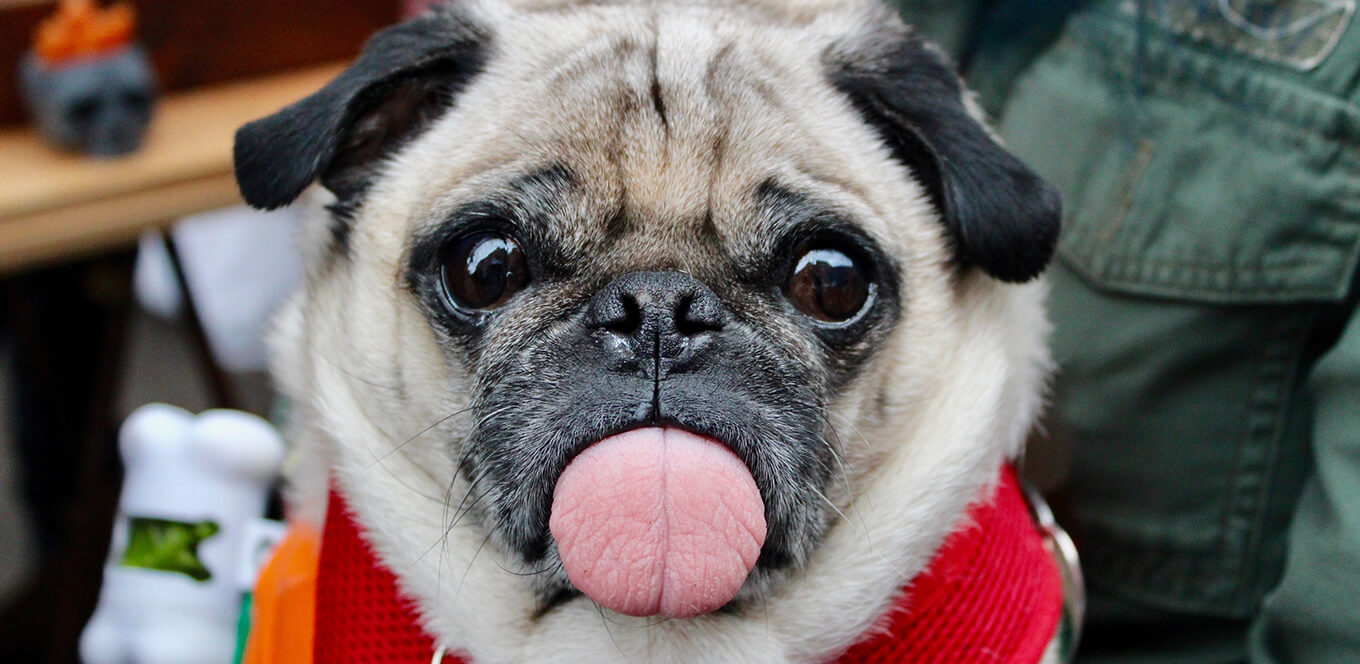
Pugs are naturally lazy and have a tendency to become obese very easily! So pug parents need to make it a point to walk their pugs regularly. Take them for a walk 1-2 times a day or play with them at home. But limit their exercise in hot and humid weather as they do tend to experience breathing difficulties.
Grooming a pug requires you to trim their hair and bathe them at least once a month. After bathing your pug with a mild shampoo, you must dry their hair quickly and properly or the skin folds that remain wet can become smelly and cause skin infections.
While pugs are a clever breed, they are strong-willed as well. Reward-based training is a great way to train your pug. Make sure that everyone in your family follows the same training practices so that your pug does not get confused.
While pug food can vary depending on their age, size, and health conditions, all pugs need complete and balanced meals that are tailor-made to meet their unique needs. You could feed them a premium recipe like IAMS™ Proactive Health™ Adult Pug to keep them slim and healthy. IAMS™ Adult Pug recipe is a blend of beet pulp and prebiotics (FOS) to support healthy digestion, L-Carnitine to support a healthy metabolism, and Omega 6 & 3 fatty acids to support skin and coat health. It is best to split their daily allowance into two meals.
Recommended pug food guide -
| SIZE OF PUG | RECOMMENDED DAILY FEEDING (G) |
|---|---|
| 1-2 kg | 30-45 |
| 2-4 kg | 45-80 |
| 4-6 kg | 80-105 |
| 6-8 kg | 105-130 |
| 8-10 kg | 130-155 |
Pugs are prone to a lot of health problems, more than other breeds. Common health issues include breathing problems, a range of eye problems, skin infections, Pug Dog Encephalitis (PDE), hemivertebrae, and hypothyroidism.
SOME FACTS ABOUT PUG DOG CARE
Pugs are easy to care for but put on weight easily. Also, their short muzzles make it difficult for them to breathe, especially in hot and humid weather. Because of this, pugs also tend to snore, so consider this if you are a light sleeper.
Pugs are intelligent creatures and very loving, making them a popular choice across the world. But do your research before taking the leap. Although they are cute and cuddly, caring for a pug dog needs commitment, so it's important to go into it fully prepared to do the work (and fall in love!)
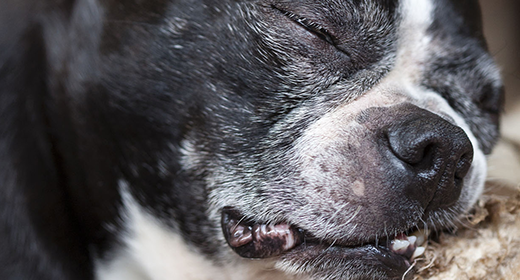
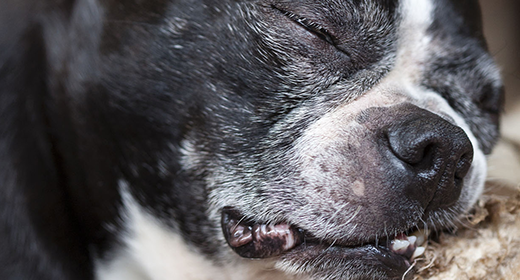
Unlike larger-breed dogs that are considered mature or senior at age 5, small-breed dogs usually don’t experience age-related changes as early. But by age 7, your small dog is mature or senior, and his nutritional requirements are changing. You can help keep your dog active, happy and healthy with a specially formulated mature diet that delivers highly digestible, enhanced nutrition.
The changes your small dog is going through affect him in many ways. You may notice a dull, dry coat and flaky skin, energy loss or weight gain, more frequent intestinal problems, joint stiffness and a loss of lean muscle mass. It’s true that an aging dog may require fewer calories, but your mature or senior dog still needs high-quality protein and carefully balanced nutrients.
What your dog needs is a high-quality, balanced maintenance food formulated for a small dog’s changing metabolism. Look for options with these age-essential nutrients:
These ingredients are the keys to mature nutrition whether you feed dry or wet dog food or give your dog treats.
Additionally, small dogs have small mouths and small stomachs. A nutrient-dense mature formula with smaller kibble may help make food easier for your dog to chew.
Older, less-active dogs are prone to weight gain. Keeping your dog at a healthy weight can help minimize the risk of developing diabetes or joint stress. Your dog can benefit from a weight-control diet with these key ingredients:
While your mature or senior dog’s nutritional needs may be changing, that doesn’t mean he doesn’t have many active, happy years ahead. Make sure your dog can make the most of them by feeding him a proper diet designed for mature small-breed dogs.