Enter a keyword below to search for articles and products.
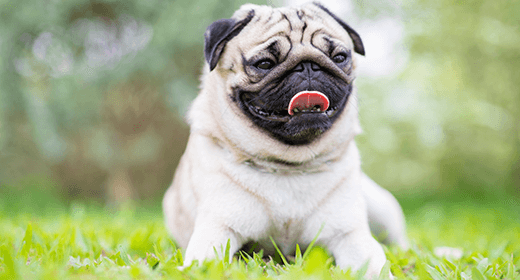
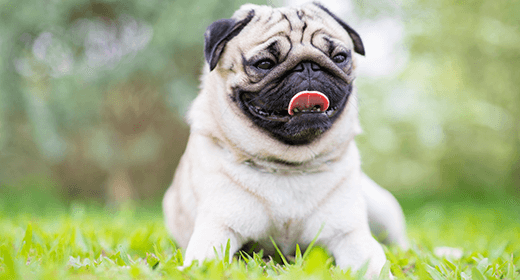
Pugs are naturally lazy and have a tendency to become obese very easily! So pug parents need to make it a point to walk their pugs regularly. Take them for a walk 1-2 times a day or play with them at home. But limit their exercise in hot and humid weather as they do tend to experience breathing difficulties.
Grooming a pug requires you to trim their hair and bathe them at least once a month. After bathing your pug with a mild shampoo, you must dry their hair quickly and properly or the skin folds that remain wet can become smelly and cause skin infections.
While pugs are a clever breed, they are strong-willed as well. Reward-based training is a great way to train your pug. Make sure that everyone in your family follows the same training practices so that your pug does not get confused.
While pug food can vary depending on their age, size, and health conditions, all pugs need complete and balanced meals that are tailor-made to meet their unique needs. You could feed them a premium recipe like IAMS™ Proactive Health™ Adult Pug to keep them slim and healthy. IAMS™ Adult Pug recipe is a blend of beet pulp and prebiotics (FOS) to support healthy digestion, L-Carnitine to support a healthy metabolism, and Omega 6 & 3 fatty acids to support skin and coat health. It is best to split their daily allowance into two meals.
Recommended pug food guide -
| SIZE OF PUG | RECOMMENDED DAILY FEEDING (G) |
|---|---|
| 1-2 kg | 30-45 |
| 2-4 kg | 45-80 |
| 4-6 kg | 80-105 |
| 6-8 kg | 105-130 |
| 8-10 kg | 130-155 |
Pugs are prone to a lot of health problems, more than other breeds. Common health issues include breathing problems, a range of eye problems, skin infections, Pug Dog Encephalitis (PDE), hemivertebrae, and hypothyroidism.
SOME FACTS ABOUT PUG DOG CARE
Pugs are easy to care for but put on weight easily. Also, their short muzzles make it difficult for them to breathe, especially in hot and humid weather. Because of this, pugs also tend to snore, so consider this if you are a light sleeper.
Pugs are intelligent creatures and very loving, making them a popular choice across the world. But do your research before taking the leap. Although they are cute and cuddly, caring for a pug dog needs commitment, so it's important to go into it fully prepared to do the work (and fall in love!)
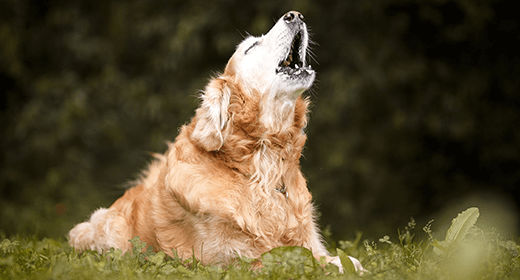
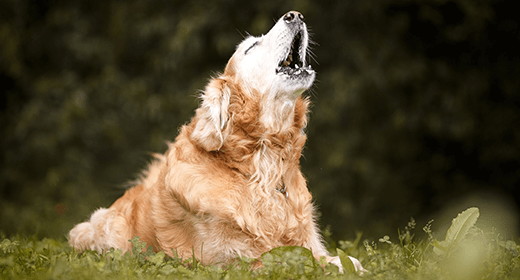
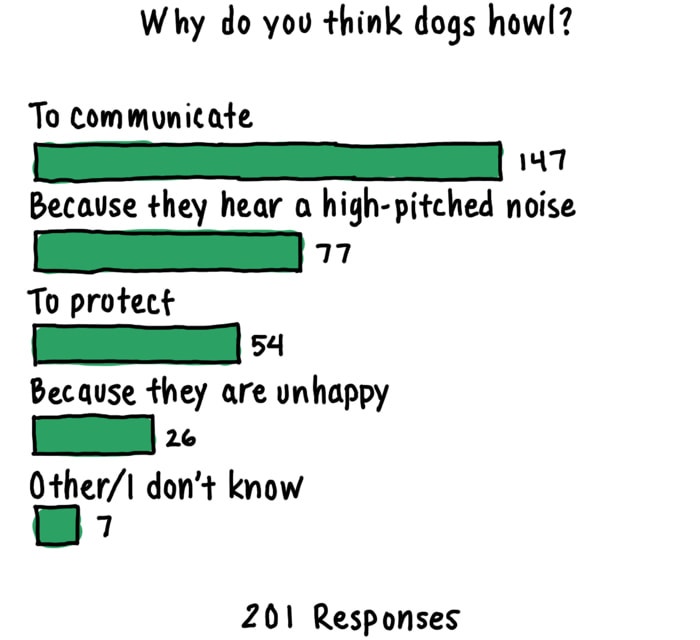
You’ve likely heard your dog let loose his inner wolf and belt out a few long howls. 73% of dog owners in a recent IAMS poll* believe they do this to communicate. This form of vocalization has a long history and is used for different reasons. Understanding more about howling will help you understand your pooch better.
Howling is an ancient trait wolves use to communicate with other members of their pack and other packs over long distances. They may be trying to locate a lost member, show off the size of their pack or warn of danger. It’s like a canine group text.
A wolf’s howl can be heard up to 10 miles away.
Each wolf has their own unique howl, so pack members know who they are, even miles apart.
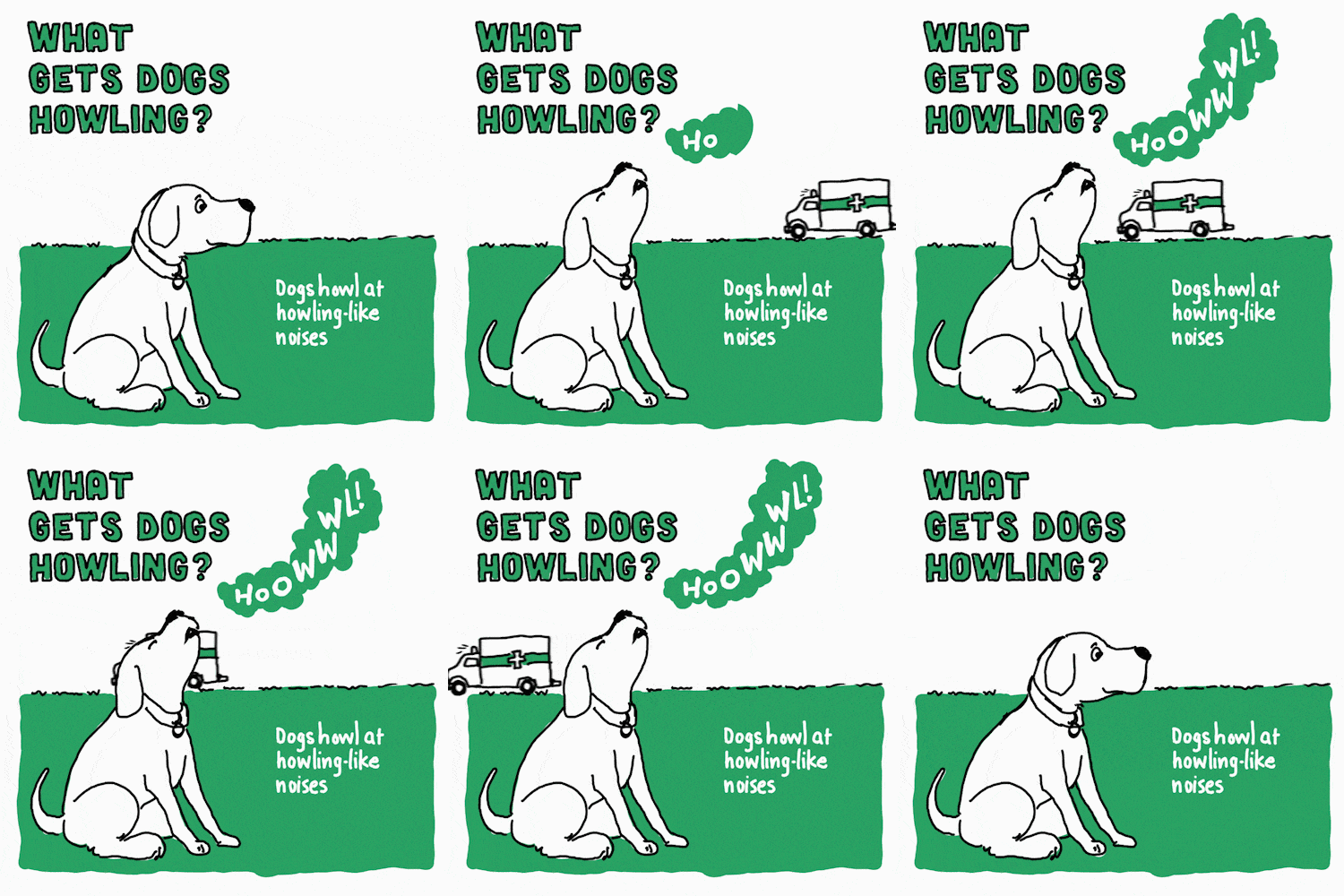
Dogs instinctually respond to howling-like noises by howling themselves. Sounds such as sirens, other dogs, singing or your kid learning the violin is usually enough to get them to sound off.
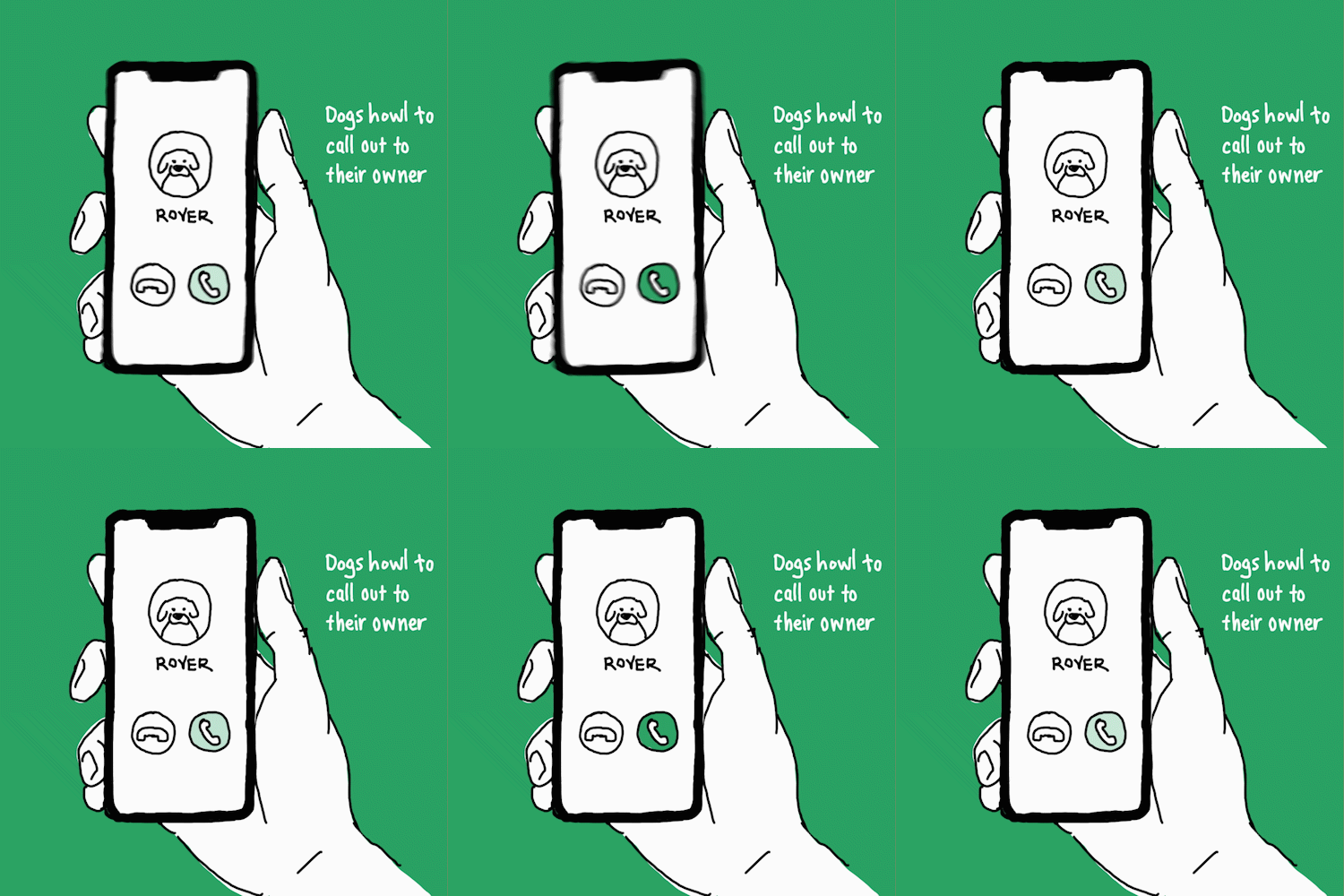
Dogs are still very social animals; it’s just that now we’re their pack. When they miss us, they’ll howl in hopes we respond.
Opens a new windowDr. James Serpell, BSc, PhD, Professor of Humane Ethics & Animal Welfare at University of Pennsylvania School of Veterinary Medicine, explains it this way: “That [howling] is an attempt on the part of the dog to ask the owner basically, ‘Where are you so that I can rejoin you?’”
Dr. James Serpell doesn’t believe so. “My own research has shown that it is common across breeds. People think huskies may be more prone to group howling.”
Dogs going through separation anxiety may howl excessively when left home alone. Dr. Jo Gale, BVetMed CertLAS MRCVS, Senior Manager for Global Science Advocacy at Waltham Petcare Science Institute, says, “If you reinforce quiet behavior, they are less likely to continue howling.” You can do this by quieting your dog and then leaving for a very brief time before returning and rewarding them when they stay quiet. Gradually increase the time you’re gone to reassure them you’ll always be back.
*Surveyed U.S. dog owners, age 18+
Sample Size: n=201
Fielded May 8 to May 10, 2020