Enter a keyword below to search for articles and products.
Pregnancy and nursing are not only responsible for many changes in a dog's body, but for changes in her lifestyle as well. If your dog is pregnant or nursing, pay special attention to her changing nutritional needs as she carries, delivers and nurses her puppies.
If you're planning to breed your female dog, it’s important to assess her body condition well in advance of breeding. Because of the physical demands of pregnancy and nursing, a dog with less-than-ideal health can experience problems:
Be sure to feed the proper amounts of a complete and balanced diet. This will support the mother's healthy weight and body condition before breeding and help maintain her health and that of her babies throughout pregnancy and lactation.
The gestation period for dogs is nine weeks. Pregnant dogs gain weight only slightly until about the sixth week, and then gain weight rapidly.
The energy requirements of pregnant dogs are reflected in the pattern of weight gain. Pregnant dogs will need to consume 25% to 50% more than their normal food intake by the end of pregnancy, but energy requirements do not increase until about the sixth week.
The best diet for pregnant and nursing dogs is a high-quality, nutrient-dense pet food formulated for all life stages or for growth. Although puppy diets are generally recommended for pregnant or nursing dogs, large-breed puppy formulas may not be appropriate for this use due to their adjusted energy and mineral content.
Pregnant dogs lose weight after giving birth, but their nutritional needs increase dramatically. Depending on litter size, nursing dogs might need two to three times their normal food requirement to nourish their pups. Be sure your nursing mom has plenty of water so she can generate the milk volume she needs to feed the litter.
To help your nursing dog get enough nutrition, you can try several tactics:
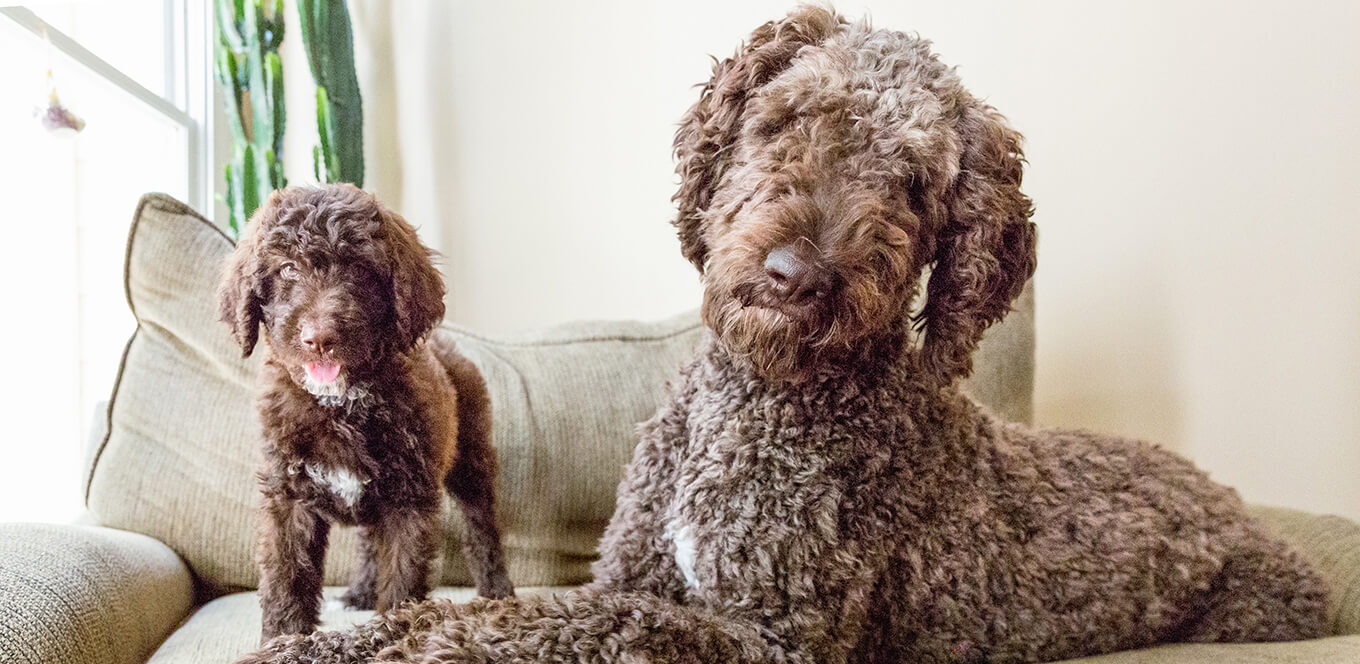
By four to five weeks after birth, most puppies are showing an interest in their mother’s food. Gradually, the puppies will begin eating more solid food and nursing less. At the same time, the nursing mother will usually begin eating less. Most puppies are completely weaned around age 7 to 8 weeks. By this time, the mother's energy requirement is back to normal, and she should be eating her normal pre-pregnancy diet.
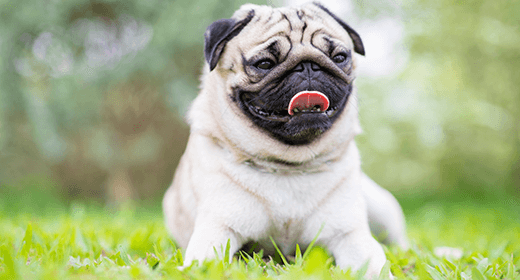
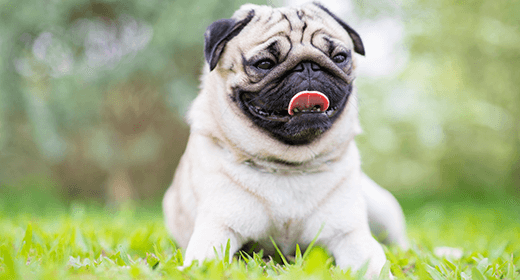
Pugs are naturally lazy and have a tendency to become obese very easily! So pug parents need to make it a point to walk their pugs regularly. Take them for a walk 1-2 times a day or play with them at home. But limit their exercise in hot and humid weather as they do tend to experience breathing difficulties.
Grooming a pug requires you to trim their hair and bathe them at least once a month. After bathing your pug with a mild shampoo, you must dry their hair quickly and properly or the skin folds that remain wet can become smelly and cause skin infections.
While pugs are a clever breed, they are strong-willed as well. Reward-based training is a great way to train your pug. Make sure that everyone in your family follows the same training practices so that your pug does not get confused.
While pug food can vary depending on their age, size, and health conditions, all pugs need complete and balanced meals that are tailor-made to meet their unique needs. You could feed them a premium recipe like IAMS™ Proactive Health™ Adult Pug to keep them slim and healthy. IAMS™ Adult Pug recipe is a blend of beet pulp and prebiotics (FOS) to support healthy digestion, L-Carnitine to support a healthy metabolism, and Omega 6 & 3 fatty acids to support skin and coat health. It is best to split their daily allowance into two meals.
Recommended pug food guide -
| SIZE OF PUG | RECOMMENDED DAILY FEEDING (G) |
|---|---|
| 1-2 kg | 30-45 |
| 2-4 kg | 45-80 |
| 4-6 kg | 80-105 |
| 6-8 kg | 105-130 |
| 8-10 kg | 130-155 |
Pugs are prone to a lot of health problems, more than other breeds. Common health issues include breathing problems, a range of eye problems, skin infections, Pug Dog Encephalitis (PDE), hemivertebrae, and hypothyroidism.
SOME FACTS ABOUT PUG DOG CARE
Pugs are easy to care for but put on weight easily. Also, their short muzzles make it difficult for them to breathe, especially in hot and humid weather. Because of this, pugs also tend to snore, so consider this if you are a light sleeper.
Pugs are intelligent creatures and very loving, making them a popular choice across the world. But do your research before taking the leap. Although they are cute and cuddly, caring for a pug dog needs commitment, so it's important to go into it fully prepared to do the work (and fall in love!)