Enter a keyword below to search for articles and products.
Pregnancy and nursing are not only responsible for many changes in a dog's body, but for changes in her lifestyle as well. If your dog is pregnant or nursing, pay special attention to her changing nutritional needs as she carries, delivers and nurses her puppies.
If you're planning to breed your female dog, it’s important to assess her body condition well in advance of breeding. Because of the physical demands of pregnancy and nursing, a dog with less-than-ideal health can experience problems:
Be sure to feed the proper amounts of a complete and balanced diet. This will support the mother's healthy weight and body condition before breeding and help maintain her health and that of her babies throughout pregnancy and lactation.
The gestation period for dogs is nine weeks. Pregnant dogs gain weight only slightly until about the sixth week, and then gain weight rapidly.
The energy requirements of pregnant dogs are reflected in the pattern of weight gain. Pregnant dogs will need to consume 25% to 50% more than their normal food intake by the end of pregnancy, but energy requirements do not increase until about the sixth week.
The best diet for pregnant and nursing dogs is a high-quality, nutrient-dense pet food formulated for all life stages or for growth. Although puppy diets are generally recommended for pregnant or nursing dogs, large-breed puppy formulas may not be appropriate for this use due to their adjusted energy and mineral content.
Pregnant dogs lose weight after giving birth, but their nutritional needs increase dramatically. Depending on litter size, nursing dogs might need two to three times their normal food requirement to nourish their pups. Be sure your nursing mom has plenty of water so she can generate the milk volume she needs to feed the litter.
To help your nursing dog get enough nutrition, you can try several tactics:
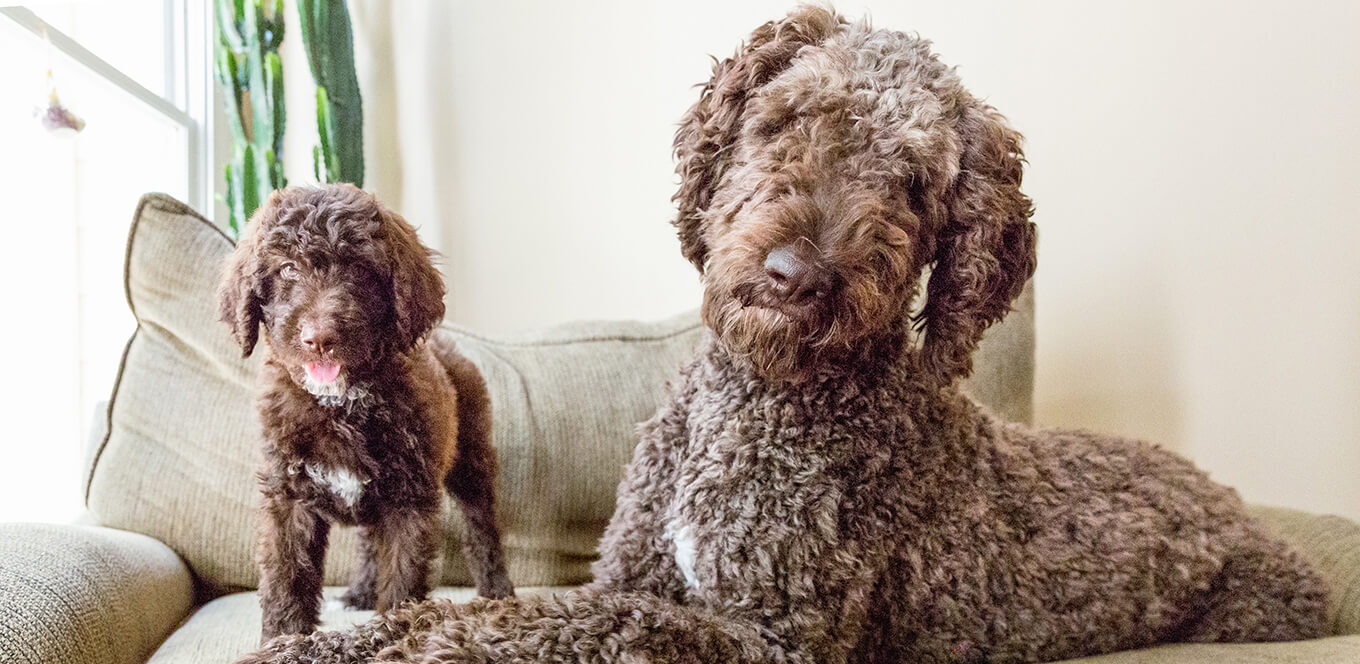
By four to five weeks after birth, most puppies are showing an interest in their mother’s food. Gradually, the puppies will begin eating more solid food and nursing less. At the same time, the nursing mother will usually begin eating less. Most puppies are completely weaned around age 7 to 8 weeks. By this time, the mother's energy requirement is back to normal, and she should be eating her normal pre-pregnancy diet.
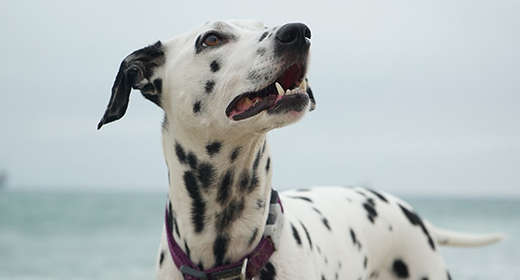
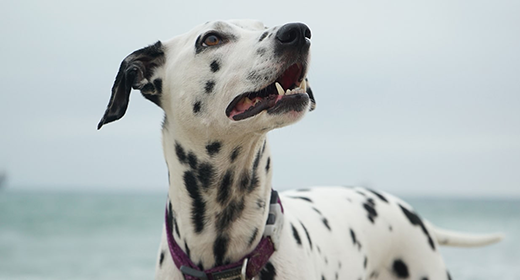
Nutrients like protein, fat, vitamins and minerals are vital to the skin and coat health of dogs. Your dog’s coat is made up almost entirely of protein. If his diet doesn’t contain enough protein quantity and quality, hair might fall out or become dry, weak and brittle. Likewise, his skin is made up of tightly packed flat cells with tough membranes made of proteins and fats. Without proper amounts of these nutrients, the cell membranes weaken, allowing water to escape and bacteria and viruses to enter more easily.
Make sure your dog is getting the following nutrients to keep his coat and skin healthy.
Proteins are found in both animal-based and plant-based ingredients. However, animal-based proteins contain all the essential amino acids dogs need, whereas plant-based proteins might not contain enough of some essential amino acids.
Fats also are found in both animal- and plant-based ingredients and are incorporated into skin cells as fatty acids. In particular, linoleic acid is essential for a dog’s skin and coat health. Without enough linoleic acid, dogs might experience a dull and dry coat, hair loss, greasy skin and increased susceptibility to skin inflammation.
Linoleic acid is found in chicken fat and vegetable oils (such as corn and soybean). IAMS™ research has also found that the fatty acids in vitamin-rich fish oils help promote excellent skin and coat health.
Your dog needs vitamins and minerals for a healthy skin and coat. The best way to provide these nutrients is by feeding a complete and balanced diet full of essential vitamins and minerals, rather than giving him supplements.
Vitamin or Mineral Importance to Skin and Coat Health
Vitamin A Necessary for growth and repair of skin
Vitamin E Protects skin cells from oxidant damage
Vitamin C Helps heal wounds
Biotin Aids in the utilization of protein
Riboflavin (B2) Necessary for fat and protein metabolism
Zinc Necessary for fat and protein metabolism
Copper Involved in tissue, pigment, and protein synthesis
Diet can be a factor when changes in skin and coat condition occur, but the most common causes are season and life stage. As cold weather approaches, most dogs grow a thick coat to help keep heat in and cold air out. As the weather warms up, they shed their thick, heavy coat.
Most puppies are born with soft, fuzzy hair, but as they age, a coarser coat grows. Pregnant or nursing dogs also might experience a change in coat condition or hair loss. And, as with humans, a dog’s hair might thin out and become coarser and white as he reaches his mature years.