Enter a keyword below to search for articles and products.
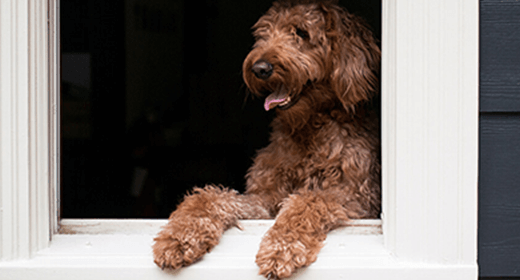
Pregnancy and nursing are not only responsible for many changes in a dog's body, but for changes in her lifestyle as well. If your dog is pregnant or nursing, pay special attention to her changing nutritional needs as she carries, delivers and nurses her puppies.
If you're planning to breed your female dog, it’s important to assess her body condition well in advance of breeding. Because of the physical demands of pregnancy and nursing, a dog with less-than-ideal health can experience problems:
Be sure to feed the proper amounts of a complete and balanced diet. This will support the mother's healthy weight and body condition before breeding and help maintain her health and that of her babies throughout pregnancy and lactation.
The gestation period for dogs is nine weeks. Pregnant dogs gain weight only slightly until about the sixth week, and then gain weight rapidly.
The energy requirements of pregnant dogs are reflected in the pattern of weight gain. Pregnant dogs will need to consume 25% to 50% more than their normal food intake by the end of pregnancy, but energy requirements do not increase until about the sixth week.
The best diet for pregnant and nursing dogs is a high-quality, nutrient-dense pet food formulated for all life stages or for growth. Although puppy diets are generally recommended for pregnant or nursing dogs, large-breed puppy formulas may not be appropriate for this use due to their adjusted energy and mineral content.
Pregnant dogs lose weight after giving birth, but their nutritional needs increase dramatically. Depending on litter size, nursing dogs might need two to three times their normal food requirement to nourish their pups. Be sure your nursing mom has plenty of water so she can generate the milk volume she needs to feed the litter.
To help your nursing dog get enough nutrition, you can try several tactics:
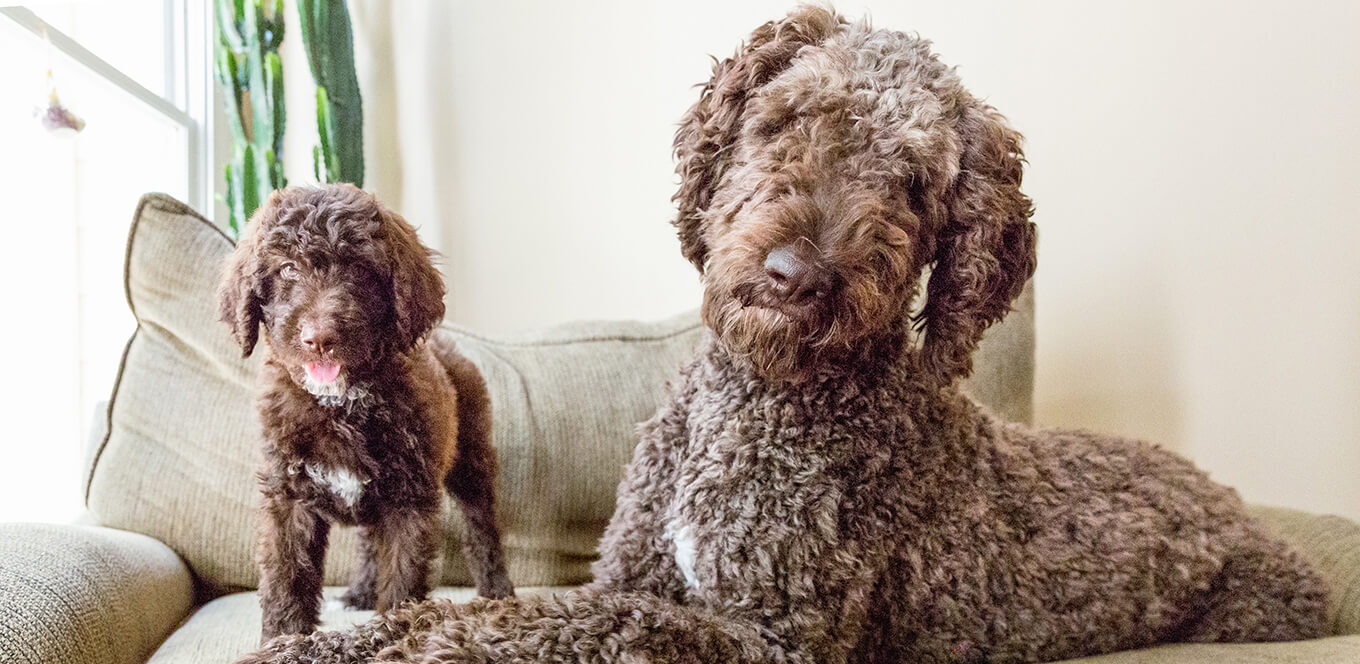
By four to five weeks after birth, most puppies are showing an interest in their mother’s food. Gradually, the puppies will begin eating more solid food and nursing less. At the same time, the nursing mother will usually begin eating less. Most puppies are completely weaned around age 7 to 8 weeks. By this time, the mother's energy requirement is back to normal, and she should be eating her normal pre-pregnancy diet.
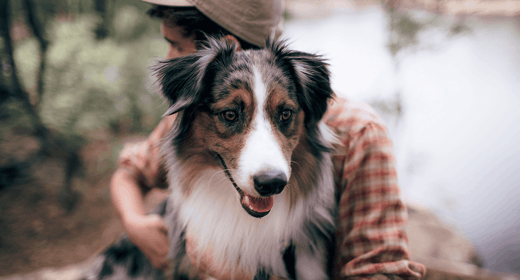
Most humans recognize a hug as a sign of affection and friendship. In an IAMS™ survey*, 83% of dog parents say their dog likes hugs too. But how do dogs feel about them? Bring it in! We’re going to try and get our arms around this question.
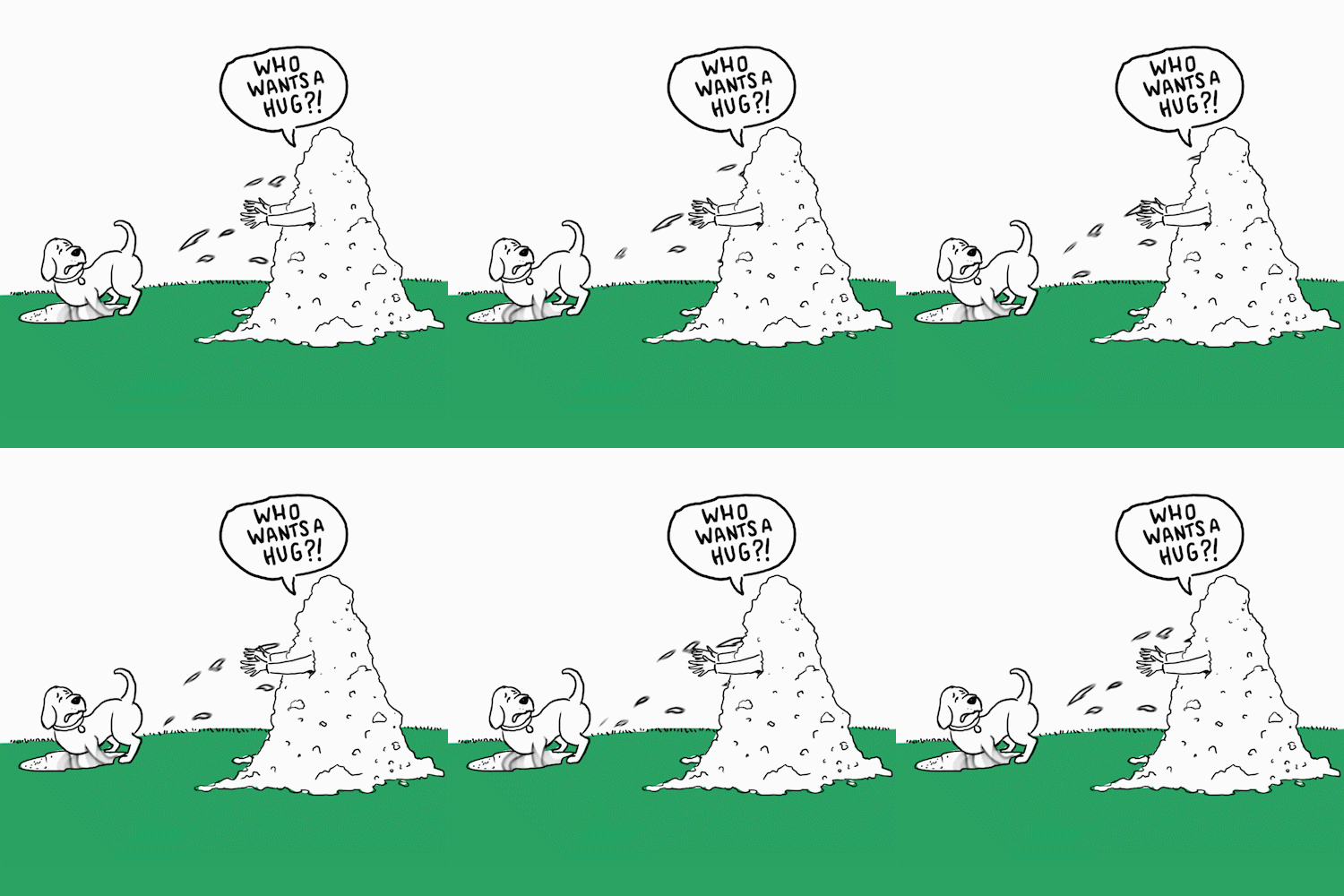
Sure, some dogs enjoy a good canine cuddle, but usually only with their owner or household members. Otherwise, they don’t really care for it. “Hugging is too much and overwhelming for many dogs and should be discouraged if the dog doesn’t know the individual very well,” advises
Opens a new windowJames Serpell, B.S., Ph.D., Professor of Humane Ethics & Animal Welfare at the University of Pennsylvania School of Veterinary Medicine.
There are a number of reasons for this:
Hugging is a human behavior, not a dog behavior. They’re just not physically built for that kind of interaction. We stand upright, so we face people. Dogs are on all fours, so it’s an unnatural act for them. They much prefer a friendly sniff to greet other dogs.
To dogs, a hug is seen as a very dominant form of behavior; it feels like a stranger is trying to assert control over them. It can be quite stressful, especially if done by someone they’re not familiar with.
Since ancient dog days, canines’ first instinctive line of defense has been to run away from danger. Hugging takes this primal option away and can make them feel trapped and confined. Remember when you were a kid getting hugged by that loud great aunt you’ve never met at your dad’s second cousin’s wedding? That’s kind of what your dog is feeling. Who is this? What are they doing? They want to escape too.
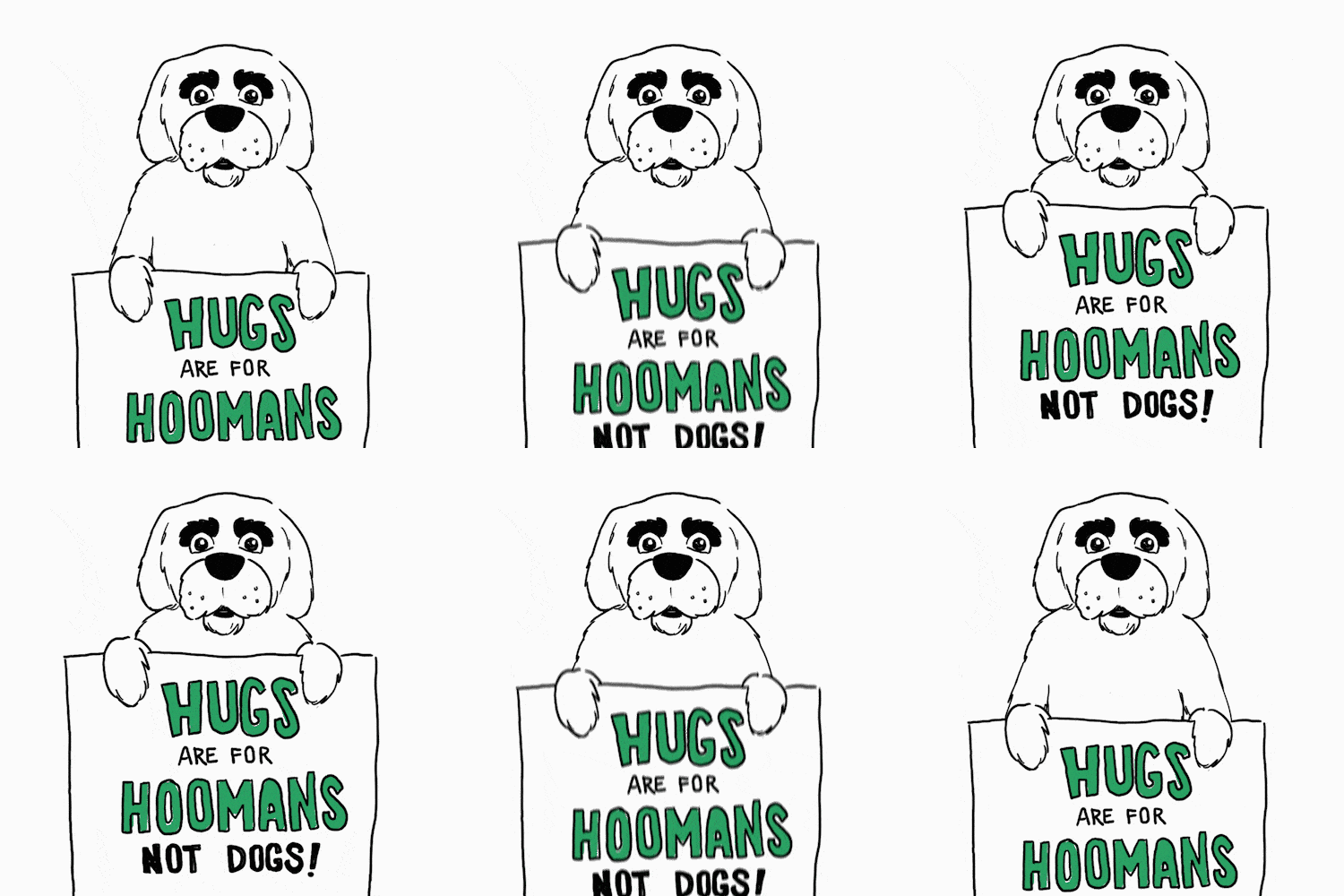
You can usually tell by their body language, says
Opens a new windowDr. Jo Gale, BVetMed CertLAS MRCVS, Senior Manager, Global Science Advocacy at Waltham Petcare Science Institute: “Watch for trembling, trying to get away, raised hackles or whites around their eyes. It’s very important to pay attention to this behavior and respect it.”
Don’t worry if your dog doesn’t want to hug it out. There are plenty of healthier ways you can show them you’re still their best friend:
*Surveyed U.S. dog owners, age 18+
Sample Size: n=201
Fielded May 8-10, 2020