IAMS IN
What to Know When You Bring Your Puppy Home

adp_description_block362
What to Know When You Bring Your Puppy Home

  • Share

Taking care of your new puppy can be overwhelming, but with these tips and lots of love, you’ll be a great puppy parent in no time.


Picking Up a Puppy

Just like a baby, a puppy's body is fragile. Avoid picking up your puppy unless absolutely necessary. If you must, be careful and use these steps:
 

Step 1: Place one hand under your puppy's rump, and place your other hand under his chest.
 

Step 2: Lift with both arms. With a small adult dog, use the puppy technique. For larger dogs, wrap both arms around his legs, draw him to your chest, and lift.


Supplies You’ll Need

Before you bring your puppy home, be sure you have the following supplies:
 

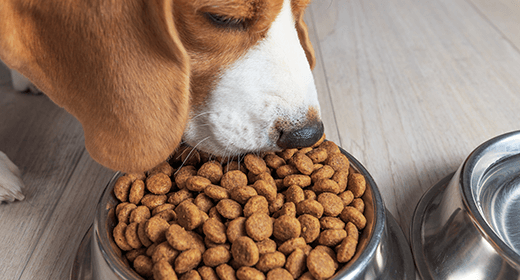
  • Premium pet food to get your new puppy off to a good start
  • Stainless steel, non-tip food and water bowls
  • Identification tags with your puppy's name, your name and phone number, and your veterinarian's name and phone number
  • A collar and a leather or nylon 6-foot leash that's ½- to ¾-inch wide (Consider using a 'breakaway' collar with plastic clips that will unsnap in case your puppy gets hung up on something.)
  • A home and travel crate that's airline approved and that will accommodate your puppy's adult size. This crate will serve as your puppy's new 'den' at home, when traveling, or when riding to the veterinarian's office. His scent in the crate will provide comfort and a sense of security during these stressful times.
  • Stain remover for accidental soilings
  • Brushes and combs suited to your puppy's coat; ask your veterinarian or breeder about an appropriate brush or comb for your dog.
  • Dog shampoo, toothbrush, and paste
  • High-quality, safe chew toys to ease teething
  • Flea, tick, and parasite controls
  • Nail clippers
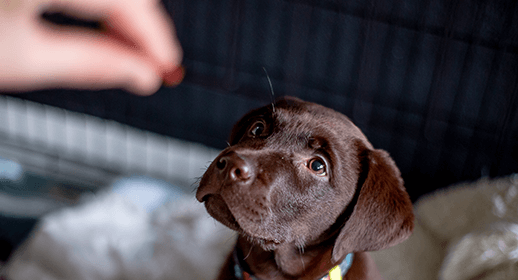
  • Treats


Helpful Hints

  • Use stainless steel, non-tip food bowls, which won't break or absorb odors.
  • Toys with parts that squeak or whistle can be dangerous if swallowed.
  • For a comfortable collar fit, allow for two fingers of space between the collar and your dog's neck; consider using an adjustable collar.


Fencing Options

Keeping your puppy safe in your yard requires good fencing. There are several options to choose from, and the one you should pick will depend on your puppy's personality, your property, and your budget. Here are some of the options you should consider:
 

  • Privacy fencing. Privacy fences have no openings and provide excellent containment.
  • Chain link. Inexpensive chain link works well and is durable.
  • Underground fencing. These electronic systems cannot be seen, jumped over, or dug under. Wire is buried, configured, and connected to a transmitter. The dog wears a special collar that emits warning tones and issues a mild shock as he nears the buried wire.
  • Kennels. A covered kennel run, especially one with a concrete floor, will keep your puppy from digging, climbing, or jumping out. Ask your veterinarian or breeder to recommend an appropriate size.


The First Days at Home

The ideal time to bring home a new puppy is when the house is quiet. Discourage friends from stopping by and don't allow overnight guests. First, establish a daily routine and follow these steps:
 

Step 1: Before bringing him in the house, take him to the designated potty area in your yard and spend a few minutes there. If he goes, praise him. Be sure to take him to this spot each time he potties.
 

Step 2: Take him to the room with his crate. This restricted area will serve as his new 'den' for several days. Put bedding and chew toys in the crate, leave the door open, and line the area outside of the crate with newspaper in case of an accident. Let him investigate the crate and the room. If he chews or urinates on his bedding, permanently remove it from the crate.
 

Step 3: Observe and interact with your puppy while he's getting used to his new den. This will help forge a sense of 'pack' and establish you as the pack leader.


Special Puppy Concerns

Don't treat a puppy as young as 6 to 12 weeks like an adult dog. Treat him the same way you would an infant, with patience, constant supervision, and a gentle touch. The way you interact with your puppy at this age is critical to his socialization. Use these tips:
 

  • Don't bring home a puppy while you're on vacation. You want to be able to spend a lot of time with him so you can acclimate him to your normal, daily routine.
  • Supervise your puppy at all times and interact with him regularly.
  • Be alert for signs (sniffing and circling) that he has to go to the bathroom, and take him outside immediately.
  • A young puppy has no bladder control, and will need to urinate immediately after eating, drinking, sleeping, or playing. At night, he will need to relieve himself at least every three hours.
  • Don't punish an accident. Never push his nose in the waste or scold him. He won't understand, and may learn to go to the bathroom when you're out of sight.
  • Praise your puppy every time he goes to the bathroom outside.
  • Feed your puppy a formula designed for puppies. Like a baby, he needs nutritious, highly digestible food.


Children and Pets

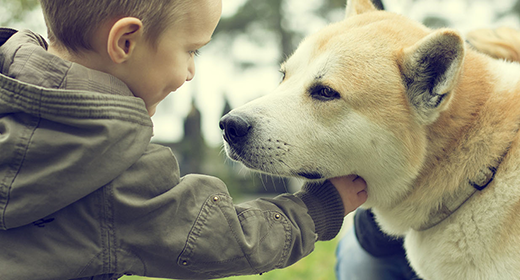
Ideally, your kids should help you choose your puppy. When you bring him home, don't let them play with him constantly. Puppies need a lot of rest, just like a growing child. Limit puppy-children play sessions to 15- to 30-minute periods, two to three times a day.
 

  • Young children might be tempted to shout at a puppy if they think he's doing something wrong. Be sure kids understand that puppies and dogs can be easily upset and startled by loud noises.
  • No teasing. Keeping a toy just out of reach will reinforce bad habits such as jumping up and excessive barking.
  • Wagging tails and play biting can be too rough for young children. Supervise puppy-child interactions and separate them if the play is too rough.
  • Teach kids to care for a dog by showing them how to feed and groom him.


Meeting Resident Pets

  • Keep resident pets separated from your new puppy for a few days.
  • After your new puppy is used to his new den area, put an expandable pet gate in the doorway or put your puppy in his crate.
  • Give your resident pet access to the area. Let pets smell and touch each other through the crate or pet gate. Do this several times over the next few days.
  • Give the resident pet access to the den area with your new puppy out of his crate. Supervise their meetings and go back to through-the-gate/crate meetings if trouble arises.

  • Why Your Dog’s Annual Vet Visits Are Worth the Cost
    Why Your Dog’s Annual Vet Visits Are Worth the Cost mobile
    adp_description_block471
    Why Your Dog’s Annual Vet Visits Are Worth the Cost

    • Share

    Have you ever noticed that your dog isn’t always the best at letting you know how they’re feeling, health-wise? Sure, that wagging tail tells you they’re happy, but what does it mean when they start sleeping longer, or not at all? What if they seem less interested in their food, or more interested in water?

    These are the kinds of questions your vet can answer at your dog’s annual vet visits. Plus, routine vet care is the best method for preventing health problems in your dog before they arise. To help you and your dog get the most out of your next annual visit, we’re answering some common questions about checkups.


    How Often Should a Dog Visit the Vet?

    Our friends at Opens a new windowBanfield Pet Hospital recommend partnering with your veterinarian to determine how often you should bring your pet in for comprehensive exams. If you haven’t had a chance to speak with your vet, making time for an annual checkup is a great place to start. Yearly visits help mark milestones in your dog’s growth while monitoring ongoing concerns or spotting new developments. If you haven’t seen your vet in over a year, why not schedule an appointment?


    Why Does My Dog Need a Checkup?

    Yearly visits are a great opportunity to make a plan for your pet’s health — while spotting any problems before they get more serious. Plus, you may realize you had questions about your pet’s health, but didn’t know how or who to ask.

    It’s also important for you and your pet to get comfortable with your veterinarian. Taking your dog to the vet when there are no pressing health concerns gives them a better chance of seeing the vet as a safe and familiar place to visit. (In the event of a sudden or severe change in your pet’s health, be sure to contact your veterinarian immediately, rather than waiting for your next scheduled checkup.)


    How Much Does a Dog Vet Visit Cost?

    Cost is a common concern when it comes to vet visits. You may be wondering, “How much is a vet visit?” Unfortunately, there’s no standard answer. Vet visit cost generally depends on your veterinarian, your location and what type of services they offer during your pet’s checkup, which can include a physical exam, routine bloodwork and vaccinations, and chatting about how your pup is doing and whether you’ve noticed any changes in them. A 2019-2020 survey found that dog owners paid $212 on average for yearly routine vet visits1; many vet offices charge a standard exam fee of $40–$60 with additional costs for other services and diagnostics.2

    Some pet health providers, like Banfield, offer annual preventive care packages with payment plans so pet owners have the option to budget the cost over the course of the next 12 months. As with most questions related to your visit, asking your vet is the most direct way to find out.

    Right now, IAMS is helping dog owners skip the cost of their yearly checkups altogether. All you have to do is buy two qualifying bags of IAMS dog food; then, redeem your receipts here and IAMS will pay for the cost of your annual checkup. Your dog gets to eat veterinarian-recommended food and you get to save money. Win-win!


    How Can I Keep My Dog Healthy Before the Visit?

    Nutrition and exercise are two of your most valuable tools to keep your pet on track between vet visits. In addition to examining your pet, your veterinarian can advise on how much exercise your pet needs and the right diet for them.

    In general, the best nutritional option for your pet is a consistent, balanced and veterinarian-approved diet that meets their individual nutritional requirements and is appropriate for their life stage. No one formula is ideal for all pets, and your pet’s diet may need to change over time based on their lifestyle, life stage and medical history. That’s why IAMS offers a variety of diets to fit your dog’s unique needs — all designed to help promote healthy digestion, healthy skin and coat, and healthy energy for your best friend.


    What Do I Do After My Dog’s Annual Checkup?

    Hopefully you’ve followed our tips for helping you and your veterinarian bring out your dog’s unique best by making good use of their annual visit. During the checkup, your vet will probably give you advice on things to watch out for as your dog grows, as well as some practical advice for keeping them healthy in the meantime. Follow their guidance and, above all, keep loving on your furry family member.


    Sources

    1 Pet Industry Market Size, Trends & Ownership Statistics. (2021, March 24). Retrieved April 12, 2021, from 

    Opens a new windowhttps://americanpetproducts.org/industry-trends-and-stats


    2 Banfield Price Estimator. (n.d.). Retrieved from 

    Opens a new windowhttps://www.banfield.com/Services/price-estimator


    Why Your Dog’s Annual Vet Visits Are Worth the Cost
    Why Your Dog’s Annual Vet Visits Are Worth the Cost
Close modal