Enter a keyword below to search for articles and products.
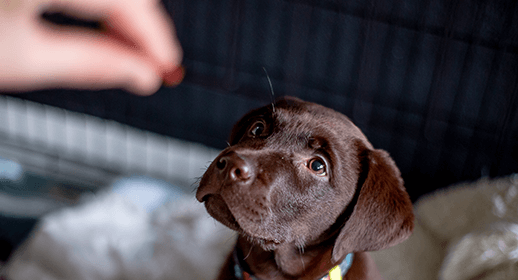
Taking care of your new puppy can be overwhelming, but with these tips and lots of love, you’ll be a great puppy parent in no time.
Just like a baby, a puppy's body is fragile. Avoid picking up your puppy unless absolutely necessary. If you must, be careful and use these steps:
Step 1: Place one hand under your puppy's rump, and place your other hand under his chest.
Step 2: Lift with both arms. With a small adult dog, use the puppy technique. For larger dogs, wrap both arms around his legs, draw him to your chest, and lift.
Before you bring your puppy home, be sure you have the following supplies:
Keeping your puppy safe in your yard requires good fencing. There are several options to choose from, and the one you should pick will depend on your puppy's personality, your property, and your budget. Here are some of the options you should consider:
The ideal time to bring home a new puppy is when the house is quiet. Discourage friends from stopping by and don't allow overnight guests. First, establish a daily routine and follow these steps:
Step 1: Before bringing him in the house, take him to the designated potty area in your yard and spend a few minutes there. If he goes, praise him. Be sure to take him to this spot each time he potties.
Step 2: Take him to the room with his crate. This restricted area will serve as his new 'den' for several days. Put bedding and chew toys in the crate, leave the door open, and line the area outside of the crate with newspaper in case of an accident. Let him investigate the crate and the room. If he chews or urinates on his bedding, permanently remove it from the crate.
Step 3: Observe and interact with your puppy while he's getting used to his new den. This will help forge a sense of 'pack' and establish you as the pack leader.
Don't treat a puppy as young as 6 to 12 weeks like an adult dog. Treat him the same way you would an infant, with patience, constant supervision, and a gentle touch. The way you interact with your puppy at this age is critical to his socialization. Use these tips:
Ideally, your kids should help you choose your puppy. When you bring him home, don't let them play with him constantly. Puppies need a lot of rest, just like a growing child. Limit puppy-children play sessions to 15- to 30-minute periods, two to three times a day.
Meeting Resident Pets
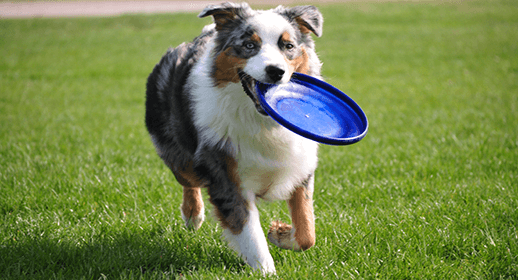
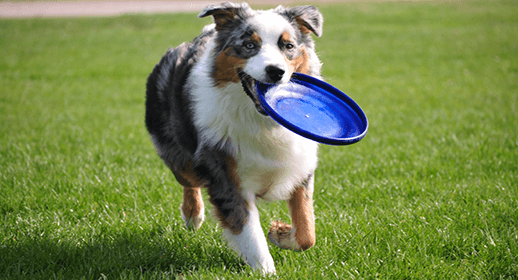
Obesity in dogs is a more common problem than you might think. Between 25% and 40% of dogs are overweight, but often, owners don’t realize it until they take their dog to the veterinarian for another reason. Yet even vets can’t tell if a dog is obese by their weight alone. Ideal weight varies by breed, and quite widely within breeds.(Did you know, for instance, that Labrador retrievers, dachshunds and beagles areall prone to obesity?) In short, there’s no ideal healthy weight chart for all dogs!
The good news is that if your dog is overweight, there are a number of ways to help them reach a healthy weight. Don’t underestimate the power of daily walks and a weight management dog diet — IAMS™ Adult Healthy Weight can help return your dog to a healthy weight, providing a path to help keep them fit for life.
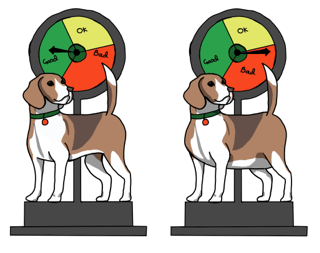
Can you feel individual ribs easily? Is your dog’s abdomen slightly tucked up whenviewed from the side? That’s a sign your dog is at their ideal weight.
If you can't feel the ribs easily, your dog has no waist and their abdomen drags,your pup is carrying extra weight. Your veterinarian can help you further evaluateyour dog’s condition and determine their ideal weight.
Dogs gain weight for the same reason people do: They eat more calories than theyuse. Today’s dogs share another problem with their human parents: lack of activity.Many pet parents work all day and are too tired to play with their dog afterward.
Dogs’ metabolisms might slow as they age or after they’re spayed or neutered,which means they require less food. Another common reason for weight gain isfrequently eating high-calorie treats. Sometimes more than one family member isfeeding the dog, and the dog sure isn’t telling!
Other factors that could contribute to canine obesity include:
If you suspect that your dog is overweight or obese, the !rst step is to set up anappointment with your veterinarian so they can evaluate their condition. Likewise,before beginning any weight loss program with your dog, make sure to discuss itwith your vet.
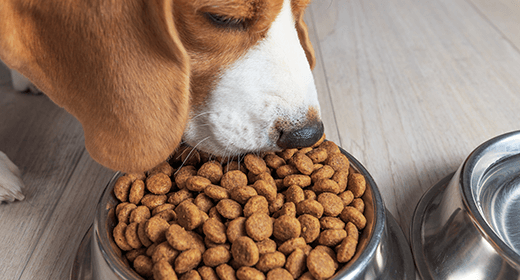
If your dog is overweight, it’s time to implement a weight-management regimen. Ifyou usually feed one large meal a day or keep food available at all times, try adifferent dog-feeding schedule by dividing the daily ration into several small meals— at least two meals a day. It takes energy to digest food, and dividing your dog’sdaily ration into separate feedings will help. If your dog leaves any food in theirbowl, pick it up 30 minutes after each meal.
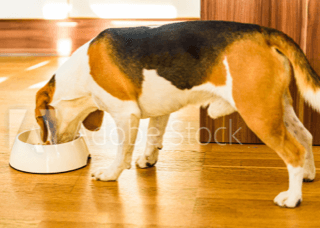
Your goal is to help your dog be healthier, so select their food carefully. Payattention to the ratio of fat, !ber, protein, carbohydrates and special ingredients inyour dog’s weight-management food:
After your dog reaches their ideal weight, select a maintenance food to keep theirweight steady.
Losing weight isn’t easy. Changing habits is the key. Here are some ways you can
help keep your dog on track:
A total weight-management program can lead to successful weight loss inoverweight or obese dogs. Remember: Your support is essential to your dog’sweight-control success.