Enter a keyword below to search for articles and products.
Taking care of your new puppy can be overwhelming, but with these tips and lots of love, you’ll be a great puppy parent in no time.
Just like a baby, a puppy's body is fragile. Avoid picking up your puppy unless absolutely necessary. If you must, be careful and use these steps:
Step 1: Place one hand under your puppy's rump, and place your other hand under his chest.
Step 2: Lift with both arms. With a small adult dog, use the puppy technique. For larger dogs, wrap both arms around his legs, draw him to your chest, and lift.
Before you bring your puppy home, be sure you have the following supplies:
Keeping your puppy safe in your yard requires good fencing. There are several options to choose from, and the one you should pick will depend on your puppy's personality, your property, and your budget. Here are some of the options you should consider:
The ideal time to bring home a new puppy is when the house is quiet. Discourage friends from stopping by and don't allow overnight guests. First, establish a daily routine and follow these steps:
Step 1: Before bringing him in the house, take him to the designated potty area in your yard and spend a few minutes there. If he goes, praise him. Be sure to take him to this spot each time he potties.
Step 2: Take him to the room with his crate. This restricted area will serve as his new 'den' for several days. Put bedding and chew toys in the crate, leave the door open, and line the area outside of the crate with newspaper in case of an accident. Let him investigate the crate and the room. If he chews or urinates on his bedding, permanently remove it from the crate.
Step 3: Observe and interact with your puppy while he's getting used to his new den. This will help forge a sense of 'pack' and establish you as the pack leader.
Don't treat a puppy as young as 6 to 12 weeks like an adult dog. Treat him the same way you would an infant, with patience, constant supervision, and a gentle touch. The way you interact with your puppy at this age is critical to his socialization. Use these tips:
Ideally, your kids should help you choose your puppy. When you bring him home, don't let them play with him constantly. Puppies need a lot of rest, just like a growing child. Limit puppy-children play sessions to 15- to 30-minute periods, two to three times a day.
Meeting Resident Pets


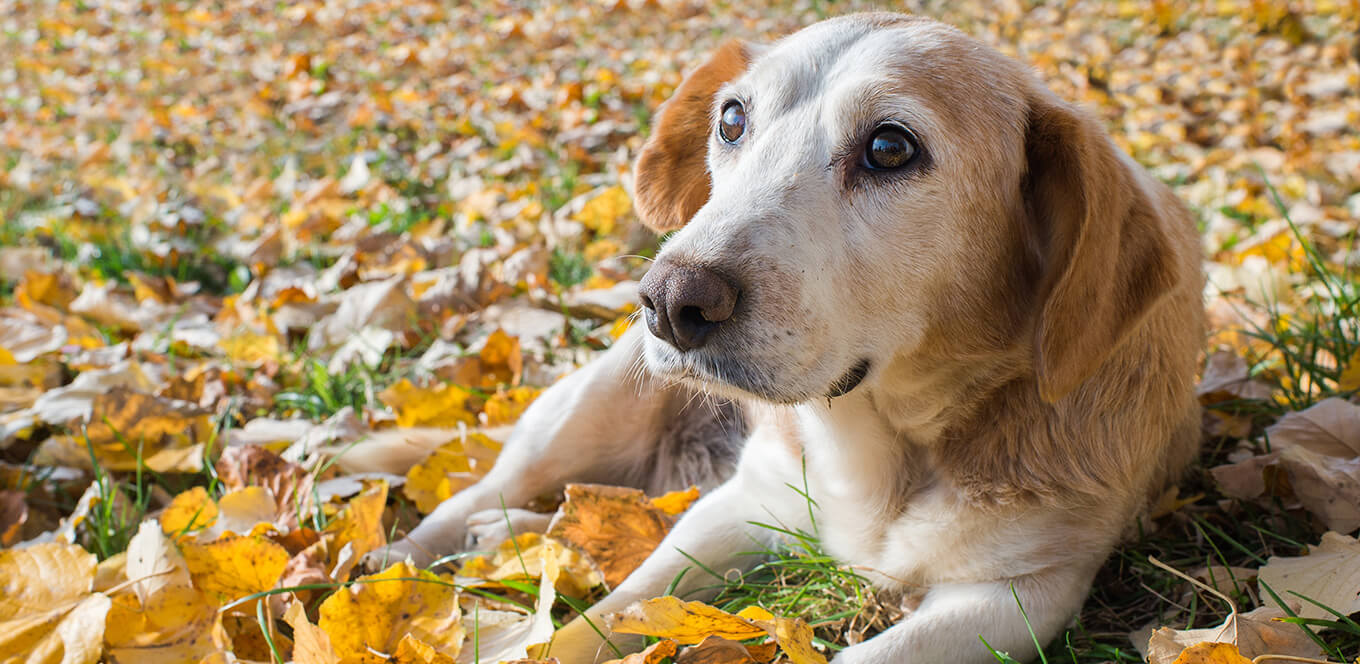
Unlike larger-breed dogs that are considered mature at age 5, medium-breed dogs are usually called mature or senior at age 7. By this time, their nutritional requirements are changing. You can help keep your medium-breed dog active, happy and healthy with a specially formulated mature or senior diet that delivers highly digestible, enhanced nutrition.
Your dog might be aging in a number of ways. He may have a dull, dry coat and flaky skin, declining activity or weight gain, decreased immune system response, more frequent intestinal problems, joint stiffness and a loss of lean muscle mass. It’s true that a mature or senior dog generally needs fewer calories, but to address special mature or senior concerns, your dog still needs high-quality protein and carefully balanced nutrients.
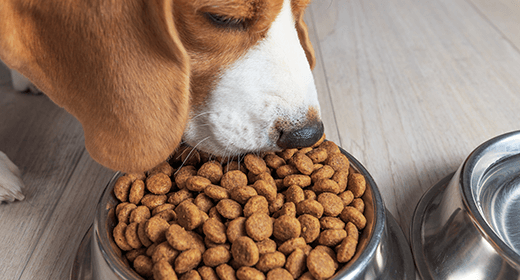
What your medium-breed dog needs is a high-quality, balanced maintenance food formulated for his changing metabolism. Look for options with these age-essential dietary components:
These ingredients are the keys to mature or senior nutrition whether you feed dry or wet dog food or give your dog treats.
Older, less active dogs are prone to weight gain. Controlling your dog’s weight can help minimize health complications such as diabetes or joint stress. Your dog can benefit from a weight-control diet with these key characteristics: