Enter a keyword below to search for articles and products.
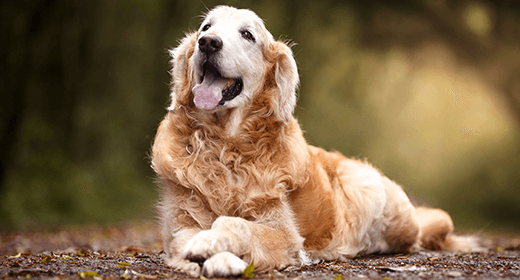
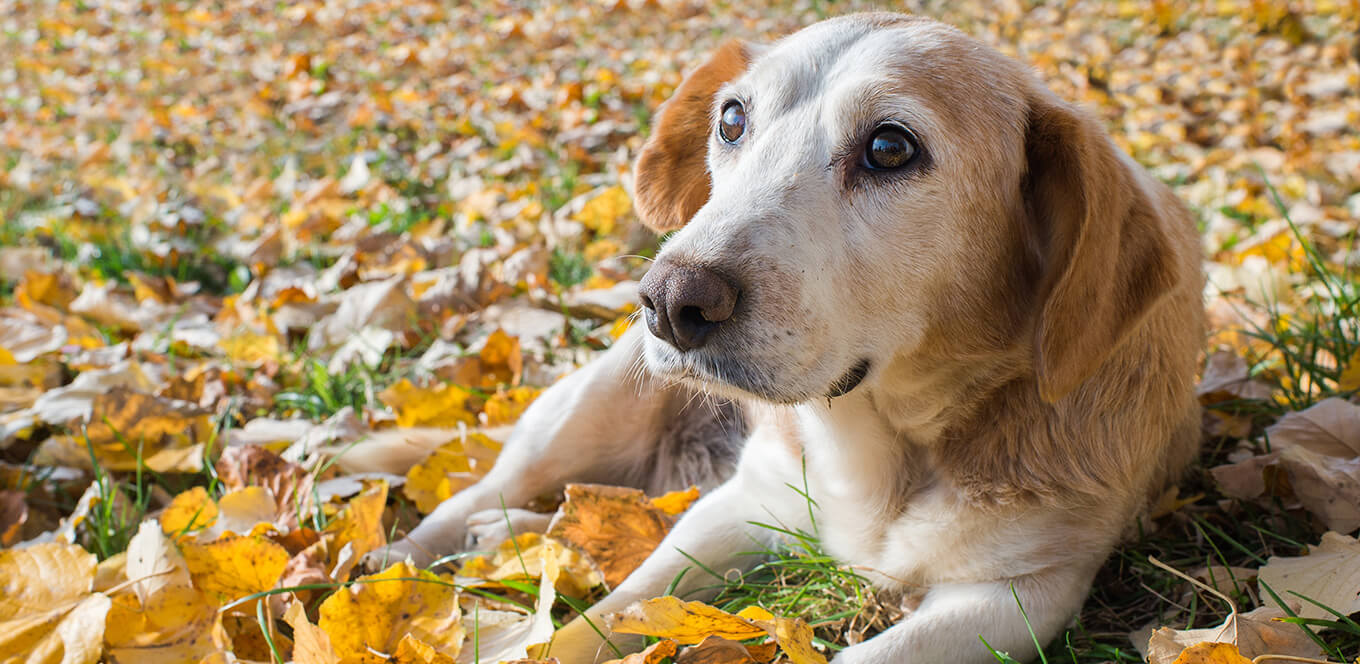
Unlike larger-breed dogs that are considered mature at age 5, medium-breed dogs are usually called mature or senior at age 7. By this time, their nutritional requirements are changing. You can help keep your medium-breed dog active, happy and healthy with a specially formulated mature or senior diet that delivers highly digestible, enhanced nutrition.
Your dog might be aging in a number of ways. He may have a dull, dry coat and flaky skin, declining activity or weight gain, decreased immune system response, more frequent intestinal problems, joint stiffness and a loss of lean muscle mass. It’s true that a mature or senior dog generally needs fewer calories, but to address special mature or senior concerns, your dog still needs high-quality protein and carefully balanced nutrients.
What your medium-breed dog needs is a high-quality, balanced maintenance food formulated for his changing metabolism. Look for options with these age-essential dietary components:
These ingredients are the keys to mature or senior nutrition whether you feed dry or wet dog food or give your dog treats.
Older, less active dogs are prone to weight gain. Controlling your dog’s weight can help minimize health complications such as diabetes or joint stress. Your dog can benefit from a weight-control diet with these key characteristics:

Dogs are creatures of habit and can resist change when trying to switch their diets. It's important to completely stop feeding from the table. This is best accomplished by removing the pet from the kitchen during mealtimes. Be persistent when offering dry food. The pet may refuse to eat for several meals before deciding to give the food a try. Heating food in the microwave increases the aroma of the food and will often entice a pet to eat. Another alternative is to try mixing some wet food with the dry food, or topping it with a sauce or gravy specifically formulated for pets. Be assured that the pet eats to meet an energy need and will eventually begin to eat unless there is an underlying medical issue.
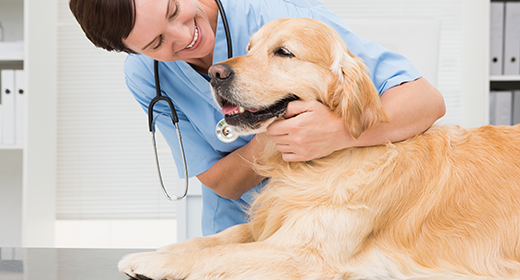
Keep in mind that the pet's stool should be small and firm. Most cases of constipation are temporary and due to dietary interruptions. Loose stools also are often temporary and can be due to dietary interruptions, as well as many other things, including an abrupt change in diet, overeating, parasites, medication, eating table scraps, viral or bacterial infections, and stress. If constipation or diarrhea persists, however, it is important to consult a veterinarian.
No. Dead grass is caused by a heavy concentration of urine—usually when a dog urinates in the same spot over and over. Try to train the dog to go to a designated, inconspicuous area of the yard. If this is impossible, try to hose the area as quickly as possible to dilute the urine. Sometimes the discoloration is due to acidic ground pH, which can usually be remedied with a lime treatment.