IAMS IN
Medium-Breed Mature or Senior Dog’s Nutritional Needs
Medium Breed Mature or Senior Dog’s Nutritional Needs-mobile

adp_description_block123
Medium-Breed Mature or Senior Dog’s Nutritional Needs

  • Share

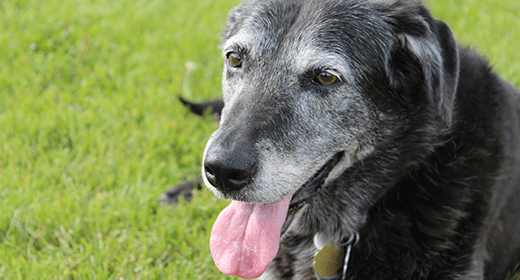
Unlike larger-breed dogs that are considered mature at age 5, medium-breed dogs are usually called mature or senior at age 7. By this time, their nutritional requirements are changing. You can help keep your medium-breed dog active, happy and healthy with a specially formulated mature or senior diet that delivers highly digestible, enhanced nutrition.


The Signs of Aging in Medium-breed Dogs

Your dog might be aging in a number of ways. He may have a dull, dry coat and flaky skin, declining activity or weight gain, decreased immune system response, more frequent intestinal problems, joint stiffness and a loss of lean muscle mass. It’s true that a mature or senior dog generally needs fewer calories, but to address special mature or senior concerns, your dog still needs high-quality protein and carefully balanced nutrients.


What to Look for in a Mature or Senior Diet

What your medium-breed dog needs is a high-quality, balanced maintenance food formulated for his changing metabolism. Look for options with these age-essential dietary components:

  • Vitamin-rich fish oils for healthy skin, a shiny coat and overall health
  • Antioxidants such as vitamin E and beta-carotene to help boost the immune system
  • High-quality animal-based protein sources to help maintain muscle mass
  • A special fiber source, such as beet pulp, to help maintain intestinal health and enhance your dog’s ability to absorb age-essential nutrients
  • A special carbohydrate blend of healthy grains for sustained energy

These ingredients are the keys to mature or senior nutrition whether you feed dry or wet dog food or give your dog treats.


Special Needs in Medium-breed Mature or Senior Dogs

Older, less active dogs are prone to weight gain. Controlling your dog’s weight can help minimize health complications such as diabetes or joint stress. Your dog can benefit from a weight-control diet with these key characteristics:

  • A reduced fat level that still offers essential nutrients for skin and coat health
  • L-carnitine, a key nutrient that helps burn fat and maintain muscle mass during weight loss
  • Special carbohydrate blends that help maintain energy while managing weight
  • Vitamin-rich fish oils for overall health

 article medium breed mature or senior dogs nutritional needs header
  • Puppy Basics: Nutrition for Small and Toy Breeds
    Puppy Basics: Nutrition for Small and Toy Breeds
    adp_description_block104
    Puppy Basics: Nutrition for Small and Toy Breeds

    • Share

    Your small- or toy-breed puppy grows rapidly in the first months of their life: Their immune system is developing, their bones are growing and their muscles are getting stronger. With all this growth, they need the right mix of nutrients to support their development. To make sure your puppy is getting the proper nutrition to protect and maintain their health and well-being, keep these key points in mind.


    What Food Should You Feed Your Small-breed Puppy?

    Research shows that puppies need up to twice as much energy as adult dogs. Because they are growing so quickly at this stage, your small-but-mighty pup needs an energy-rich, nutrient-dense small-breed dog food like IAMS™ Puppy Small Breed. Puppies also need more protein than adult dogs. High-quality animal-based protein will help your puppy create new body tissue as they grow.
     

    Aside from protein, make sure these other important nutrients and ingredients are a part of your puppy's diet:
     

    • Vitamin-rich fish oils to support overall health
    • Essential vitamins and minerals to help support the immune system and help your puppy stay healthy during this critical stage of growth
    • Animal-based protein sources to help nourish growing muscles, vital organs and your puppy’s skin and coat
    • A fiber source that will help keep your puppy’s sensitive digestive system healthy, so more nutrition stays in your puppy
    • Ideal levels of calcium and phosphorus to help your puppy develop strong teeth and bones
       

    These are important building blocks of nutrition. Look for them when you choose dry or canned dog food and when you select treats.


    Why Do Small-breed Puppies Need Specialized Nutrition?

    When it comes to feeding puppies, one size does not fit all. Small-breed puppies have higher metabolism rates per pound and reach their mature adult weight faster than larger-breed puppies. And small-breed puppies need high levels of protein, fat, calcium and phosphorus to support the growth and development of their bones, muscles and other tissues. So, giving your puppy a food that supports their breed size is the easiest way to make sure they’re getting the right balance of nutrients for their growth rate.


    And remember: Small-breed puppies also have small mouths and stomachs! Make sure your puppy's food has small kibble for easy chewing. A nutrient-dense formula will help your puppy get a complete and balanced diet even though their stomach can only hold what seems like a small amount of food.


    How Much and How Often Should You Feed Your Small-breed Puppy?

    From the time your puppy is weaned until 4 months of age, you should feed your puppy two to three times a day. Check the food label guidelines to feed them the proper daily amount. After your puppy is 4 months old, feed them twice a day on a regular schedule. And make sure they always have access to fresh water, too!


    When Should You Switch Your Puppy to Adult Food?

    A small-breed puppy reaches adult weight faster than larger breeds. You can start feeding an adult dog food, such as IAMS™ Adult Small Breed, when they are around 9 to 12 months old.


    Your dog might not be thrilled about the change at first, but don't worry. You can help ease the transition by gradually introducing the adult food. Try mixing 25% of the new food with 75% of their puppy food, and then gradually change the proportions over the next three weeks until they are eating 100% adult food.

     beagle-puppy-eating-article-inset
Close modal