Enter a keyword below to search for articles and products.
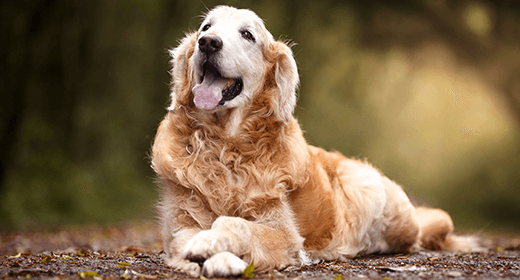
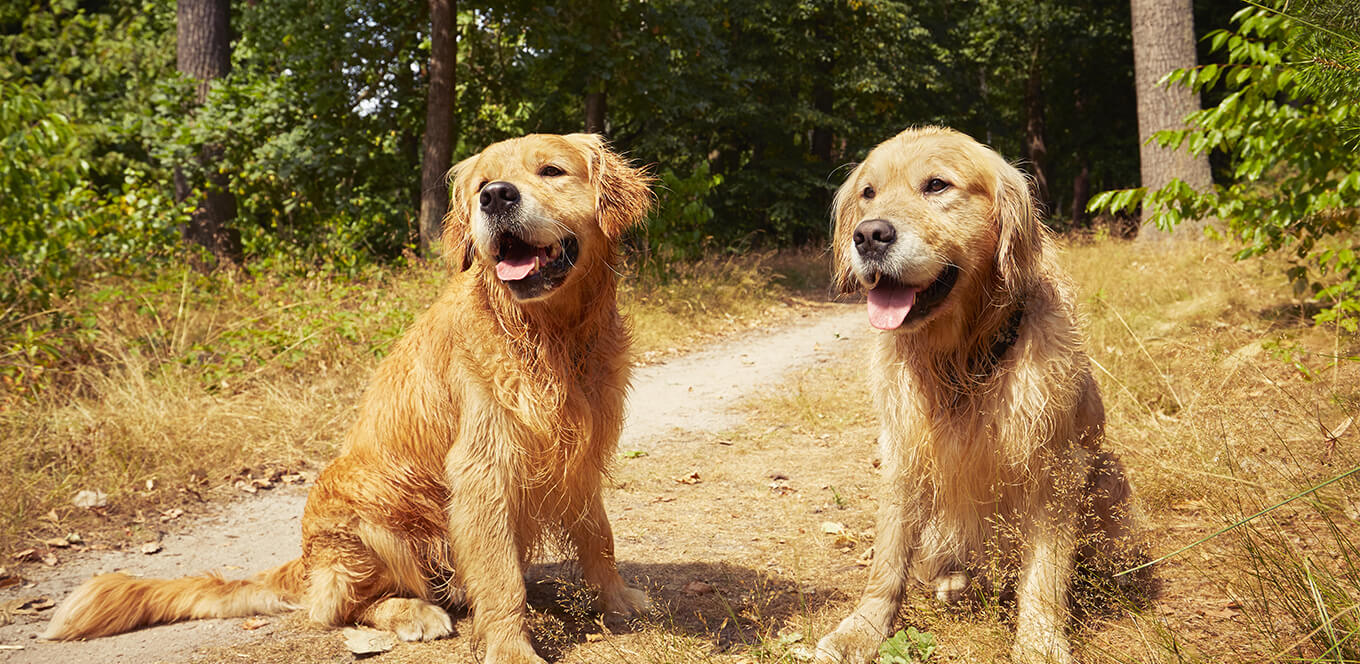
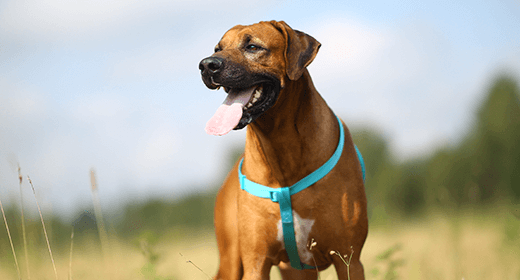
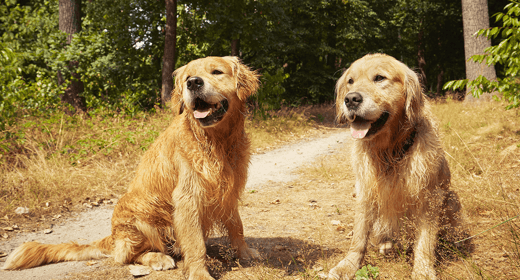
Unlike larger-breed dogs that are considered mature at age 5, medium-breed dogs are usually called mature or senior at age 7. By this time, their nutritional requirements are changing. You can help keep your medium-breed dog active, happy and healthy with a specially formulated mature or senior diet that delivers highly digestible, enhanced nutrition.
Your dog might be aging in a number of ways. He may have a dull, dry coat and flaky skin, declining activity or weight gain, decreased immune system response, more frequent intestinal problems, joint stiffness and a loss of lean muscle mass. It’s true that a mature or senior dog generally needs fewer calories, but to address special mature or senior concerns, your dog still needs high-quality protein and carefully balanced nutrients.
What your medium-breed dog needs is a high-quality, balanced maintenance food formulated for his changing metabolism. Look for options with these age-essential dietary components:
These ingredients are the keys to mature or senior nutrition whether you feed dry or wet dog food or give your dog treats.
Older, less active dogs are prone to weight gain. Controlling your dog’s weight can help minimize health complications such as diabetes or joint stress. Your dog can benefit from a weight-control diet with these key characteristics:
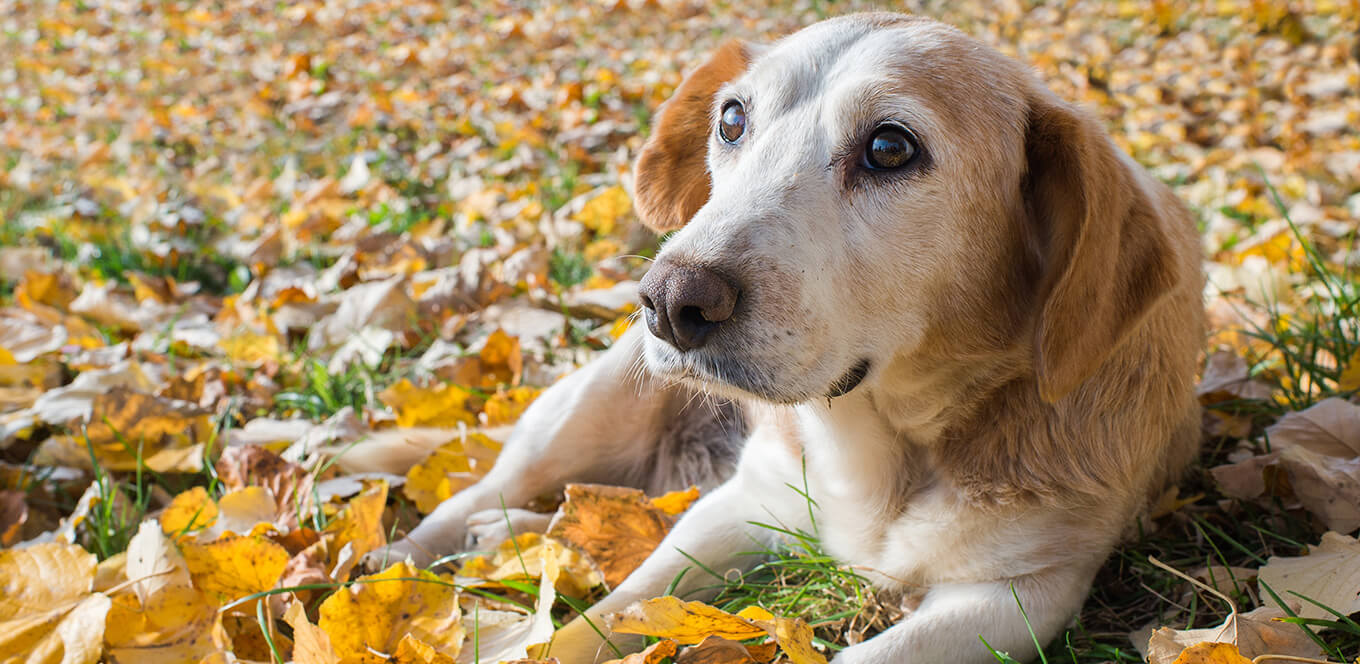
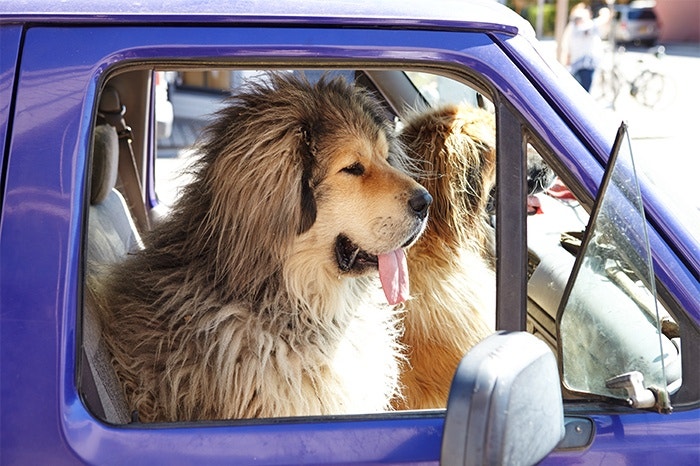
Whether your dog is a big sweetie, a big weirdo or a big athlete, here’s what you need to know about taking care of your big dog.
First, all big dogs start out as little dogs. But pretty soon they grow up — and so does their appetite, their toys, their dog bowls, the vet bill and their need for speed.
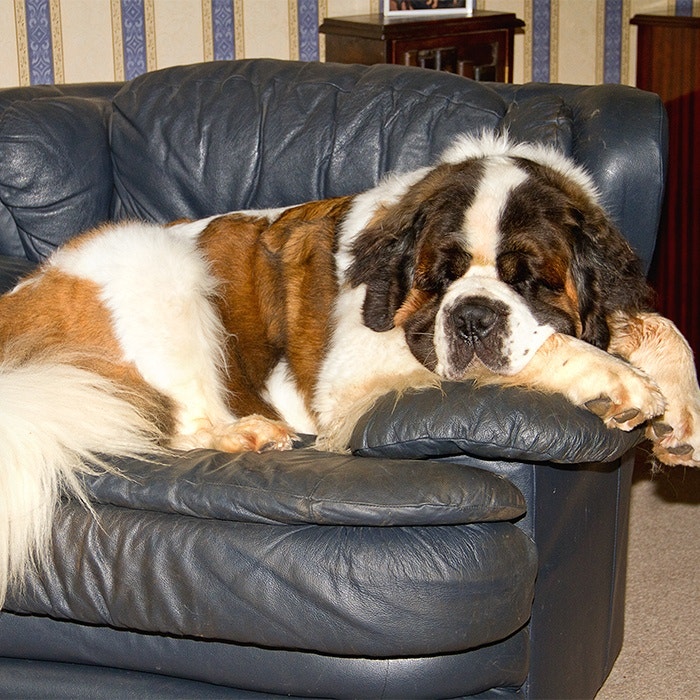
He started to grow.
And pretty soon
he was bigger than
the recliner.
Sometimes it can take more than two years for them to reach their full size.
And you won’t like to think about it too much, but their life spans are shorter, too: about 10 to 12 years.
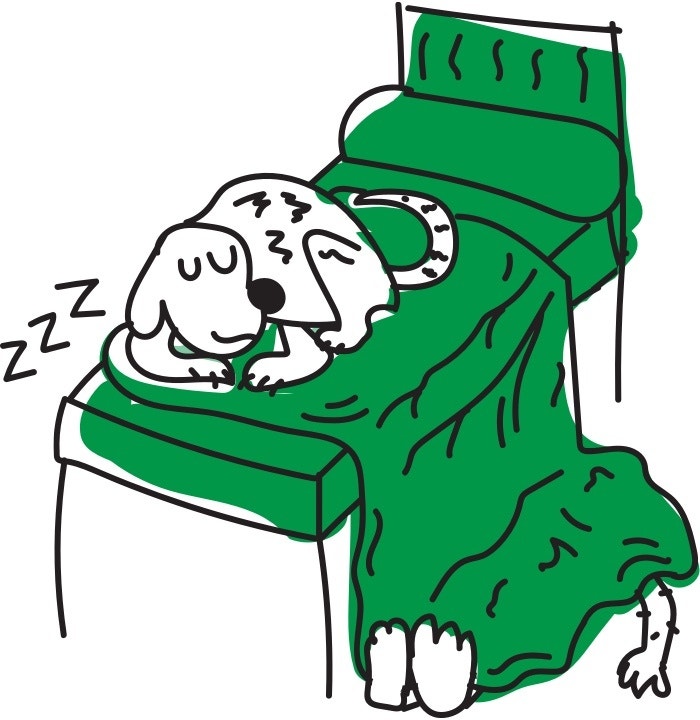
No wonder
you'll let him push
you off the bed
at night.
If a large dog gets too much food as a pup, they’re at a higher risk of growing too quickly, which can cause joint trouble.
For large breeds, being overweight is especially problematic. All that extra weight can be a lot for the joints to carry around.
Keep your good old dog healthy by practicing portion control and feeding nutritious food like IAMS™ Mature Adult Large Breed.
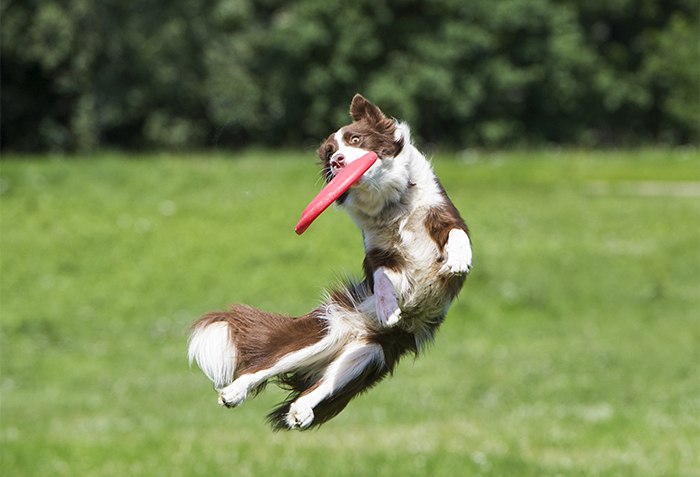
How will she catch
a screaming
15-mile-an-hour
Frisbee in midair
if she has knee trouble.
Back in the day, large-breed dogs were especially energetic. They were working dogs, herders, hunters, cart pullers and people protectors.
Who are we to deny their evolution?
Make sure your dog gets exercise every day.
How do you accomplish this? Walk, walk and more walk. And add in some running, jumping, chasing, hiking, fetching, dog-park visiting, swimming and even agility courses.
Repeat this mantra:
'I am the alpha.'
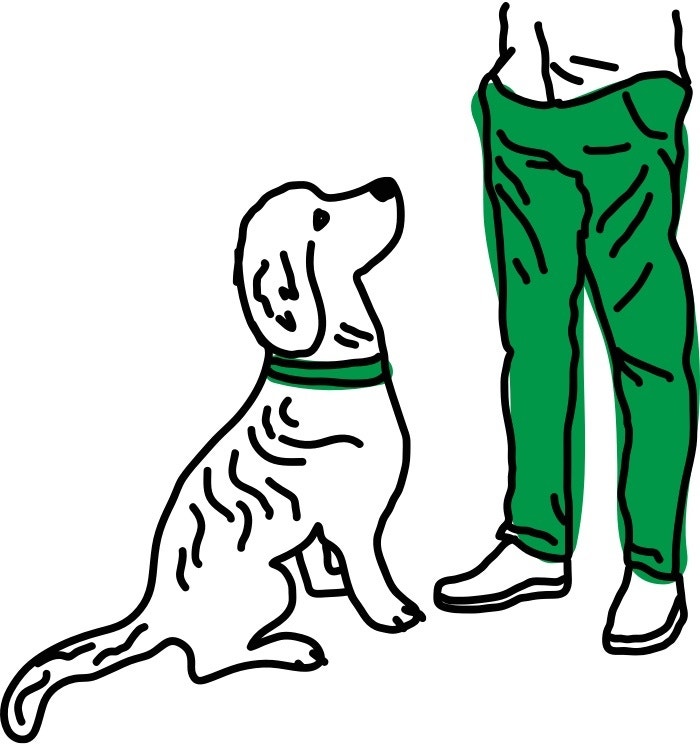
When it comes to training, think of it this way: The bigger the dog, the harder it is to hide behavior problems. And if you can’t control your super-sized soulmate, they could inadvertently cause damage or hurt someone.
Living large is all
about biting the
wind and living
that sweet,
sweet life.