Enter a keyword below to search for articles and products.


Unlike larger-breed dogs that are considered mature at age 5, medium-breed dogs are usually called mature or senior at age 7. By this time, their nutritional requirements are changing. You can help keep your medium-breed dog active, happy and healthy with a specially formulated mature or senior diet that delivers highly digestible, enhanced nutrition.
Your dog might be aging in a number of ways. He may have a dull, dry coat and flaky skin, declining activity or weight gain, decreased immune system response, more frequent intestinal problems, joint stiffness and a loss of lean muscle mass. It’s true that a mature or senior dog generally needs fewer calories, but to address special mature or senior concerns, your dog still needs high-quality protein and carefully balanced nutrients.
What your medium-breed dog needs is a high-quality, balanced maintenance food formulated for his changing metabolism. Look for options with these age-essential dietary components:
These ingredients are the keys to mature or senior nutrition whether you feed dry or wet dog food or give your dog treats.
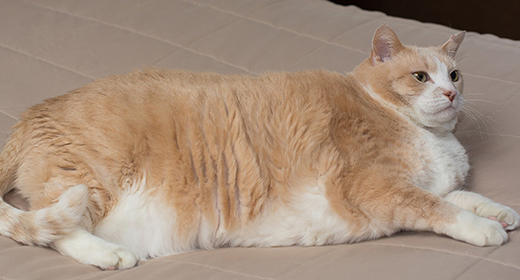
Older, less active dogs are prone to weight gain. Controlling your dog’s weight can help minimize health complications such as diabetes or joint stress. Your dog can benefit from a weight-control diet with these key characteristics:
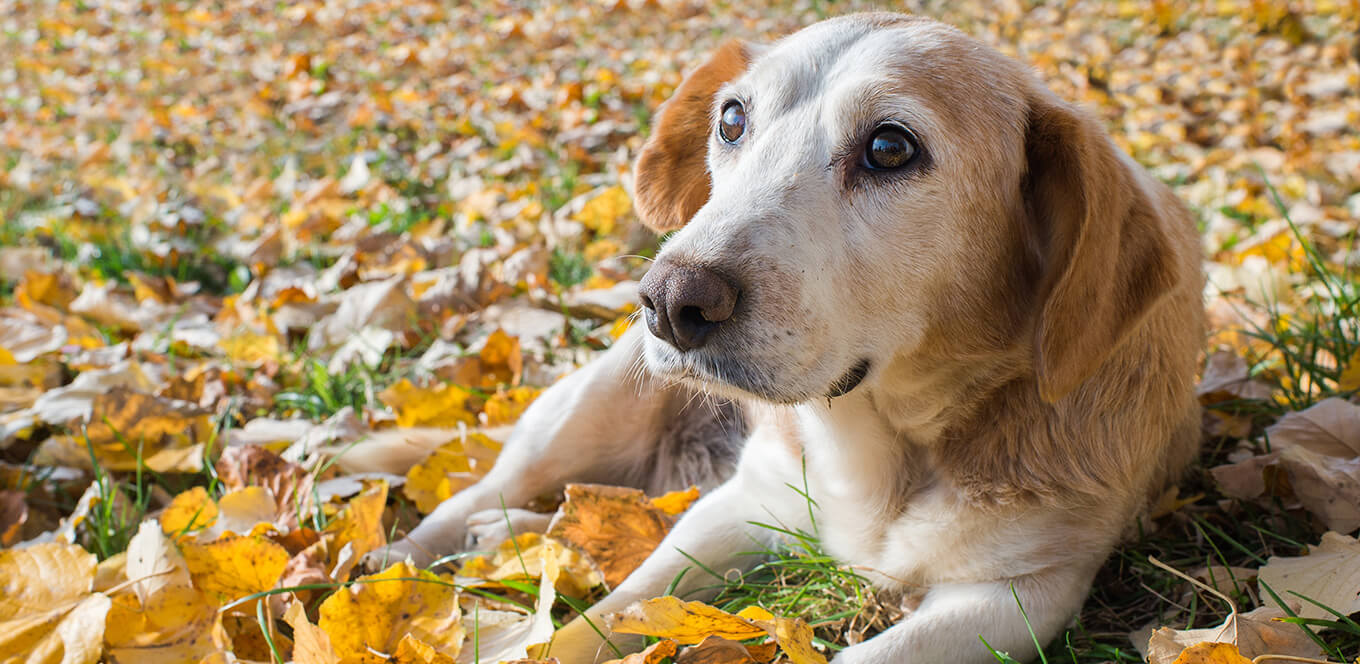


Golden Retrievers are energetic and full of stamina, so daily exercise is a must. Adult Goldens need at least an hour’s exercise every day. Like the pug, this breed is highly prone to obesity, so they will quickly put on weight without proper physical activity like running, swimming (they just love water), and playing fetch.
Caring for Golden Retrievers is a moderate issue. Golden Retrievers have two shedding seasons (spring, autumn) in a year where they shed pretty heavily. Otherwise shedding is not a major challenge. You need to brush your Golden 3-4 times per week and bathe them once a month.
Because they tend to gain weight quickly, we recommend that you monitor their caloric intake daily. This is why Goldens need complete and balanced meals that are tailor-made to meet their unique needs. We recommend giving them premium Golden Retriever food like IAMS™ Proactive Health™Adult Golden Retriever that contains L-Carnitine to support healthy weight management, Glucosamine and Chondroitin to support healthy joints, and Omega 6 and 3 fatty acids to support skin and coat health. It is best to split their daily allowance into two meals.
Recommended Golden Retrievers food intake-
| SIZE OF GOLDEN RETRIEVER | RECOMMENDED DAILY FEEDING (G) |
|---|---|
| 20-30 kg | 255-345 |
| 30-40 kg | 345-430 |
| 40-50 kg | 430-505 |
| 50-60 kg | 505-580 |
Golden Retrievers are prone to moderate levels of health issues. Common ones include cancer and blood disorders, hip and elbow dysplasia, dislocated kneecaps, skin conditions, hypothyroidism, cataracts, and ear infections.
An ideal world for a Golden Retriever is to live in a home with a medium or large-sized yard. While they do well in apartments, they need a great deal of outdoor exercise to stay fit. So if you can manage that, Golden Retrievers can do well as indoor and outdoor pets.
So, is caring for a Golden Retriever the right choice for you? Goldens are high-energy pets and are one of the friendliest breeds out there. Their friendly nature and comfort around little kids make them an ideal choice for many first-time owners.