Enter a keyword below to search for articles and products.


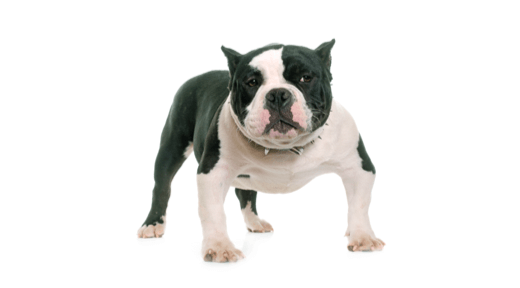
Unlike larger-breed dogs that are considered mature at age 5, medium-breed dogs are usually called mature or senior at age 7. By this time, their nutritional requirements are changing. You can help keep your medium-breed dog active, happy and healthy with a specially formulated mature or senior diet that delivers highly digestible, enhanced nutrition.
Your dog might be aging in a number of ways. He may have a dull, dry coat and flaky skin, declining activity or weight gain, decreased immune system response, more frequent intestinal problems, joint stiffness and a loss of lean muscle mass. It’s true that a mature or senior dog generally needs fewer calories, but to address special mature or senior concerns, your dog still needs high-quality protein and carefully balanced nutrients.
What your medium-breed dog needs is a high-quality, balanced maintenance food formulated for his changing metabolism. Look for options with these age-essential dietary components:
These ingredients are the keys to mature or senior nutrition whether you feed dry or wet dog food or give your dog treats.
Older, less active dogs are prone to weight gain. Controlling your dog’s weight can help minimize health complications such as diabetes or joint stress. Your dog can benefit from a weight-control diet with these key characteristics:

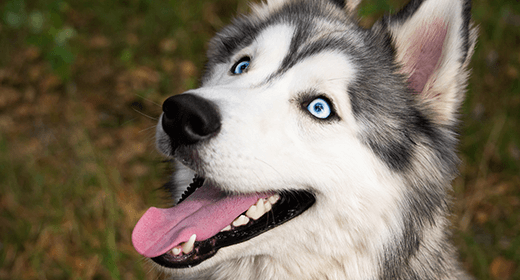
Teeth are important players in the digestive process.
As teeth grind up food, debris accumulates on the tooth surface and attracts bacteria. This accumulation of debris and bacteria is called plaque. Plaque is easily removed from teeth by brushing—that is, when teeth are brushed frequently.
If the plaque isn't brushed away, mineral deposits cause it to harden on the teeth. This is called tartar. Dark yellow or brown accumulations on the teeth are indicators of tartar, which is difficult to remove.
If left untreated, plaque can lead to damage of the gums (gingivitis) or the jawbones and teeth (periodontitis).
Keeping a pet’s teeth and gums healthy involves regular brushing and professional cleaning. Unfortunately, many owners have problems brushing their dogs’ teeth on a regular basis.
Special diets also can help reduce tartar buildup between cleanings. Most dental diets are formulated with a tough kibble that is texturized to scrape off some plaque.
Our dental technology uses a patent-pending manufacturing process that enables dry-food kibbles to control tartar buildup. This process does not affect the nutrient content of the food or the size of the kibbles.
IAMS™ researchers have looked at the effects of feeding dogs dry diets with our dental technology. In each of these studies, two groups of animals were fed our formula, either with (control) or without our dental technology.
All animals had their teeth thoroughly cleaned.
After 28 days of eating one diet, animals’ teeth were examined for tartar.
All animals then received another thorough cleaning.
Then diets were switched for another feeding period.
In dogs, the diets featuring our dental technology reduced tartar accumulation as much as 50% compared to dogs fed the control diet.'