Enter a keyword below to search for articles and products.
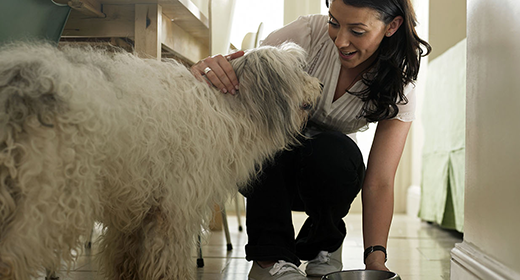
Dogs hit maturity around 7 years of age (5 years for larger dogs). It's not uncommon for them to live as long as 15 years. As your pet enters his golden years, his activity level might slow down and common conditions such as arthritis, diabetes, and kidney disease may arise. “It is so more important to monitor the eating habits of older pets,” stresses Tom Carpenter, DVM, president of the American Animal Hospital Association. “Generally, older pets do not need as much protein, sodium, and phosphorus. But your veterinarian needs to address this for your individual pet,” he says, adding that semiannual vet visits are recommended for an older animal.
Some mature dogs are prone to obesity. To test whether your dog is at a healthy weight, move your hands along his sides. If you can feel his ribs (but don't see them), he's doing okay. But if you feel a fat covering, or you visibly notice a rounded abdomen, he might be overweight. Exercise is still important for a senior dog, and if he's gained weight, you want to look for a low-fat weight-control food that contains vitamin-rich fish oils (IAMS™ ProActive Health™ Mature Adult is one good choice).
Other mature pets can become finicky eaters and lose weight as they age. 'Very old pets may actually need a more calorie-dense diet,' Carpenter says. Older dogs can lose their sense of smell and have a harder time chewing their food. To make mature dog food easier to eat, you can top their dry food with room-temperature wet food.
If your dog is gaining or losing a lot of weight, slightly decrease or increase his daily feedings. A sudden change in weight or appetite might be a sign of disease, so you should check with your vet. Water is also essential. 'Older pets are at a higher risk of dehydration,' Carpenter says. Provide a clean bowl with fresh water at all times.
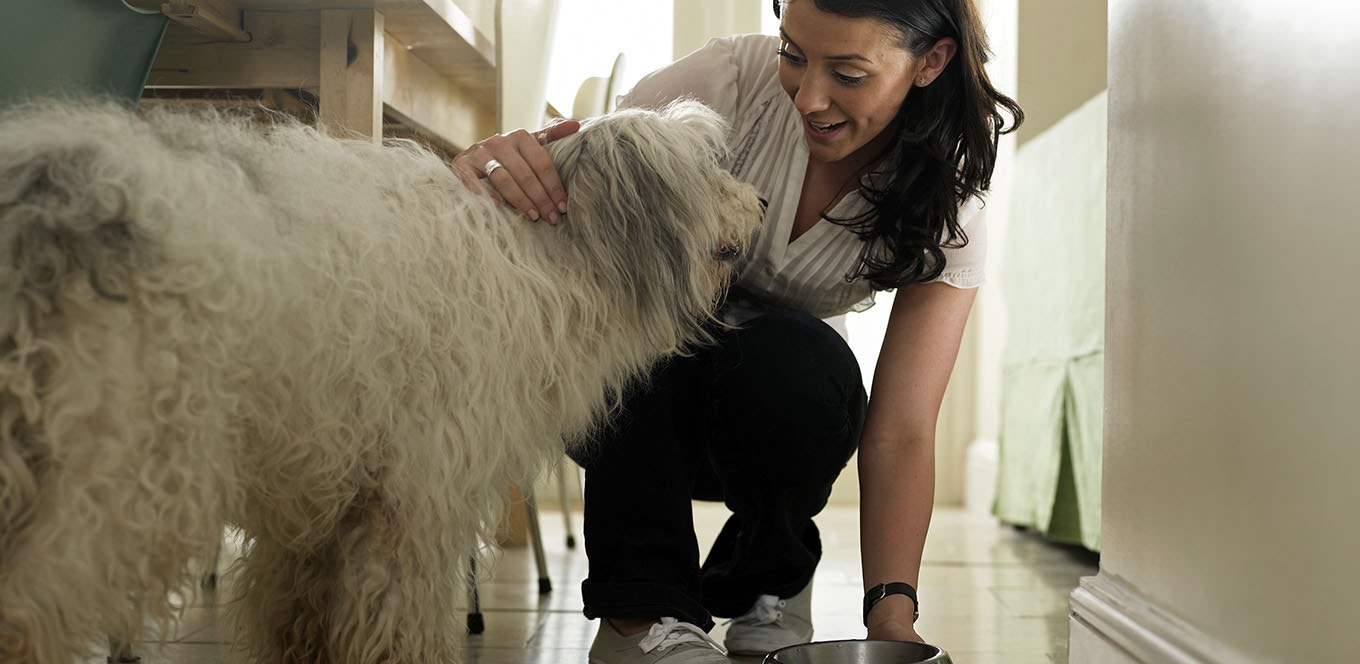
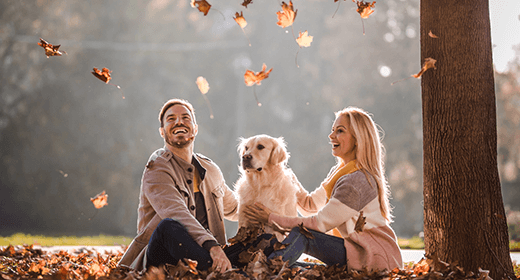
Here's what you need to know about your dog’s health as he matures from 1 to 8 years:
Your dog is growing up. Louise Murray, DVM, director of the ASPCA's Bergh Memorial Animal Hospital in New York City and author of Vet Confidential (Ballantine, 2008), gives advice on how to keep your dog in tip-top shape.
Adult Dog Health: Preventive Health. Even if your dog appears fit, see your veterinarian once a year for a checkup. 'Most health problems are more readily and less expensively addressed if you catch them early,' Murray says. What's more, your vet can detect problems that you might miss. You can also stay up to date on vaccination boosters.
Adult Dog Health: Flea, Tick, and Heartworm Medicines. Continue to use preventive medicines. Talk to your veterinarian if you've moved or if your lifestyle has changed to make sure you are using the products best suited for your dog.
Adult Dog Health: Diet. Your pet needs the right food for optimal health. Check with your vet about adjusting the type and amount of food that your dog eats.
Adult Dog Health: Dental Health. If you haven't done so already, get in the habit of cleaning your dog's teeth daily. 'Animals who get gingivitis or inflammation of the gums can end up with problems of the kidneys and the heart,' Murray explains. Get your dog accustomed to having your fingers and hands around her mouth. At the pet store, you'll find dog toothbrushes and finger brushes as well as dog toothpaste.
Adult Dog Health: Weight Gain/Loss. When your dog steps on the scale at her annual visit, weight gain (rather than loss) is more likely to be the problem. Meals usually are not the culprit. It's the things, such as biscuits and human food, she gets in between. 'It all adds up,' Murray says. As your pet gets older, she becomes less active, which can contribute to weight gain and a host of other problems (diabetes, arthritis, and breathing trouble, for instance). But there's another reason to keep an eye on the scale: Weight loss might signal an underlying health problem.