Enter a keyword below to search for articles and products.
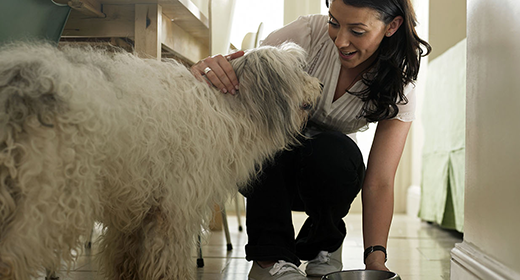
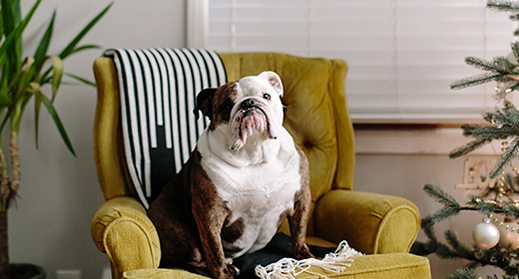
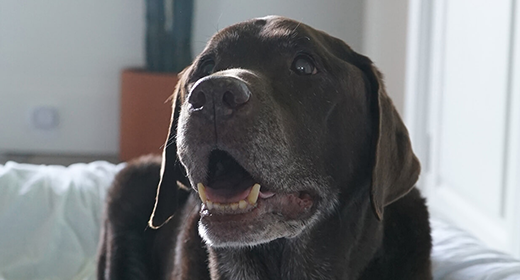
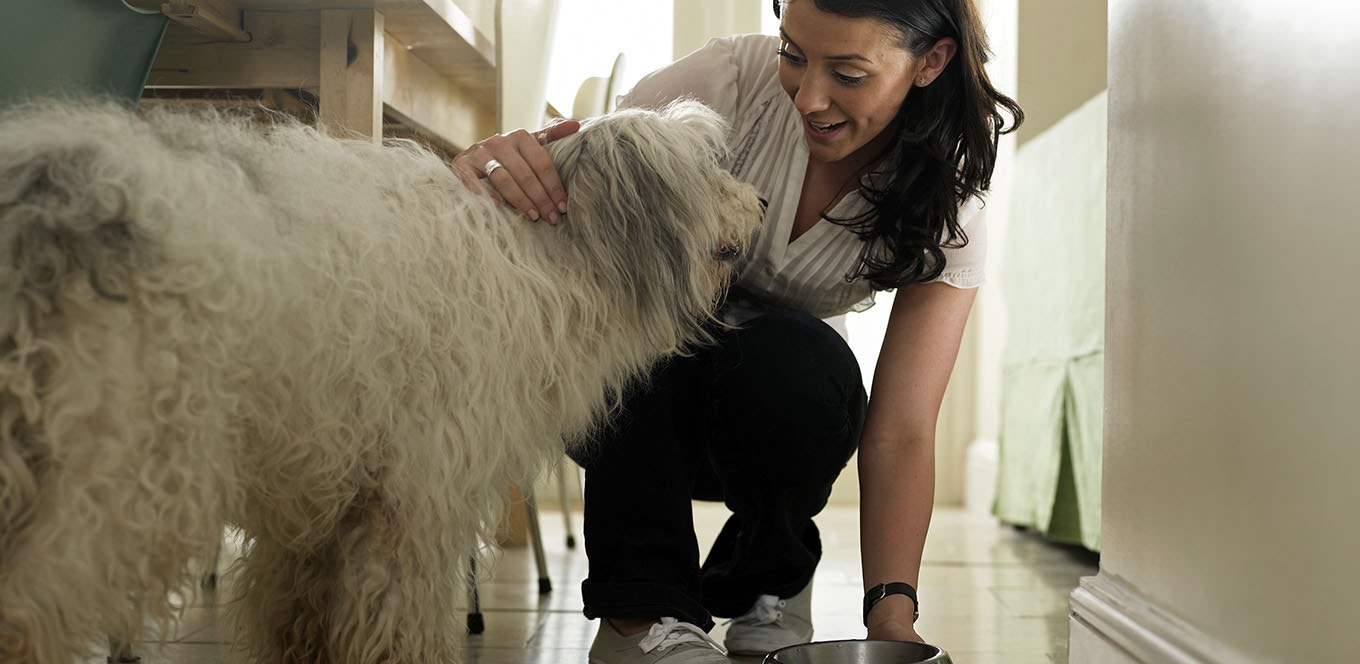
Dogs hit maturity around 7 years of age (5 years for larger dogs). It's not uncommon for them to live as long as 15 years. As your pet enters his golden years, his activity level might slow down and common conditions such as arthritis, diabetes, and kidney disease may arise. “It is so more important to monitor the eating habits of older pets,” stresses Tom Carpenter, DVM, president of the American Animal Hospital Association. “Generally, older pets do not need as much protein, sodium, and phosphorus. But your veterinarian needs to address this for your individual pet,” he says, adding that semiannual vet visits are recommended for an older animal.
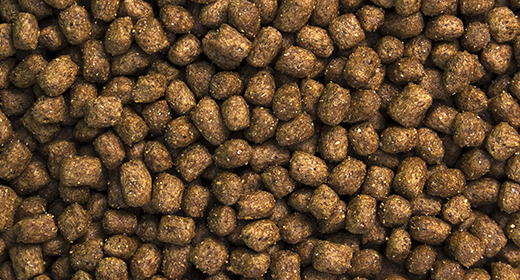
Some mature dogs are prone to obesity. To test whether your dog is at a healthy weight, move your hands along his sides. If you can feel his ribs (but don't see them), he's doing okay. But if you feel a fat covering, or you visibly notice a rounded abdomen, he might be overweight. Exercise is still important for a senior dog, and if he's gained weight, you want to look for a low-fat weight-control food that contains vitamin-rich fish oils (IAMS™ ProActive Health™ Mature Adult is one good choice).
Other mature pets can become finicky eaters and lose weight as they age. 'Very old pets may actually need a more calorie-dense diet,' Carpenter says. Older dogs can lose their sense of smell and have a harder time chewing their food. To make mature dog food easier to eat, you can top their dry food with room-temperature wet food.
If your dog is gaining or losing a lot of weight, slightly decrease or increase his daily feedings. A sudden change in weight or appetite might be a sign of disease, so you should check with your vet. Water is also essential. 'Older pets are at a higher risk of dehydration,' Carpenter says. Provide a clean bowl with fresh water at all times.


DHA (docosahexaenoic acid) is an omega-3 fatty acid important for neural development of puppies. DHA is a major structural component of the brain, as well as the most abundant fatty acid in the brain. It plays a vital role in the development of a puppy’s central nervous system and retinal function.
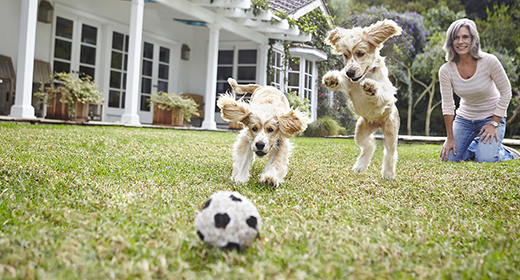
To help your puppy be as smart and healthy as possible, DHA should be an essential component of your dog's diet. The DHA in IAMS™ ProActive Health™ Smart Puppy food helps encourage healthy brain development, which can make your puppy more trainable and help forge a stronger bond with you.
Common dietary DHA sources include fish (such as salmon, sardines, tuna and other seafood), eggs and organ meat. In pet foods, sources of DHA include fish, fish meal and fish oil.
Prior to weaning, puppies get DHA from their mothers. The puppy’s mother transfers DHA from her body tissues to her offspring during pregnancy and lactation.
After weaning, puppies can obtain DHA through their diet.
One IAMS study looked at beagle puppies whose mothers had been fed enhanced or typical dietary DHA from breeding on through weaning.* After weaning, puppies were fed the same diets as their mothers throughout the remainder of the study (up to 16 weeks of age). To evaluate the effect of diet on trainability, all puppies were taught to associate a symbol with a direction in a t-maze, with correct responses resulting in a food treat.
In the 30 days of testing, puppies from the enhanced-DHA group consistently outperformed the puppies from the typical-DHA group on the maze test. Results of the study indicated that puppies nourished on high DHA levels were more trainable.
*Data on file. The IAMS Company.