Enter a keyword below to search for articles and products.
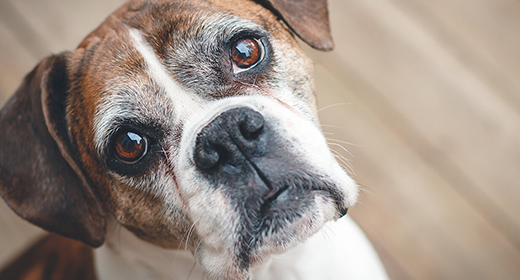
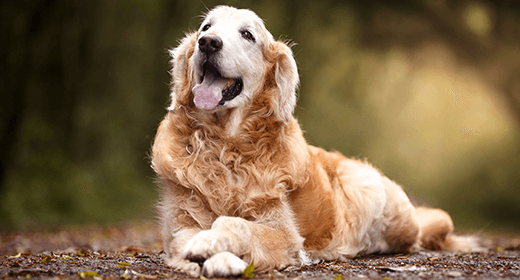
Does your mature dog sniff at his bowl and walk away instead of digging in? You may think he’s just being picky, but it’s important to keep an eye on how much he’s eating — especially if he’s a senior. While age-related diminishment of the senses of smell and taste may account for some of his disinterest in food, appetite loss can also indicate a serious medical problem.
“It’s important to give your dog enough calories because weight loss can be debilitating to senior pets,” says Wendy Brooks, D.V.M., who warns that a loss in appetite should be mentioned to your vet. A good rule of thumb: If your pet hasn’t eaten in a day, make a visit to the vet. Here are six ways to entice your canine friend with a nourishing meal.
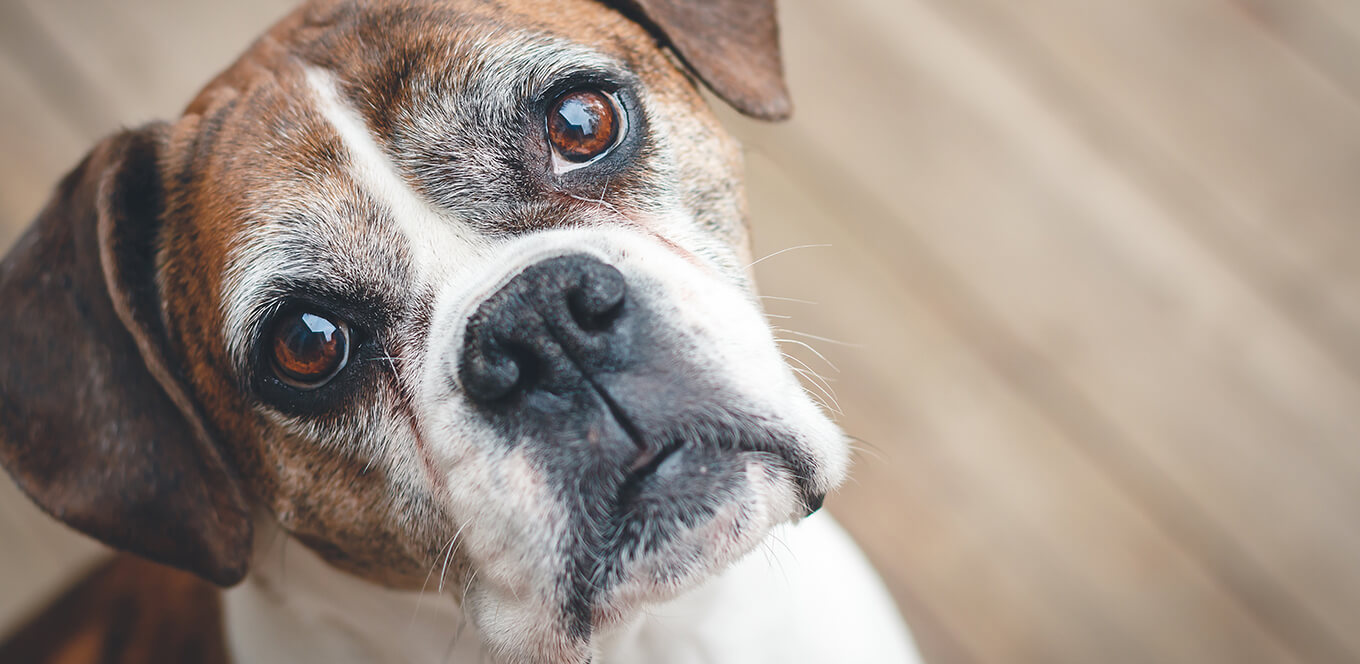
Many animals find canned food more palatable because they like the taste and texture, Brooks says. You can top their favorite dry food with room-temperature wet food.
Dogs like a warm or room-temperature (not hot or cold) meal. Avoid serving him day-old wet food from the refrigerator, and keep his food away from heat. Another reason he might not be eating: It's too hot outside.
Dogs prefer consistency when it comes to their food. Don't change every day, but try a new flavor, such as lamb or chicken, and see if he responds (it may trigger his sense of smell). To avoid an upset stomach, introduce a new food by mixing it with his old food in equal increments each day.
Common mature-dog health issues, such as arthritis or joint pain, can make it difficult for him to access his bowls. Keep food and water where he spends most of his time. Put a water bowl on all floors of the house, too.
Older pets are at a higher risk of dehydration. Provide a clean bowl with fresh water at all times. It will help prevent disease, such as a kidney condition, and aid in digestion.
Dogs are people pleasers. If you see him eating, give him a little verbal reward. He'll know it makes you happy and will repeat the behavior.
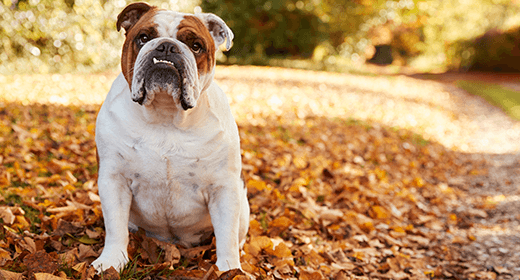
Bloat is a life-threatening condition that acts rapidly and can lead to death within hours if not recognized and treated immediately. Unfortunately, the cause of bloat remains unknown at this time.
The scientific term for bloat is gastric dilatation-volvulus or GDV. Bloat is characterized by rapid and abnormal expansion of the stomach with gas (dilatation). This can be followed by rotation of the stomach (volvulus). This rotation closes both the entry to and exit from the stomach. The blood vessels also are closed down, and blood flow is restricted.
What follows is an increase in pressure inside the stomach and compression of the surrounding organs. Eventually, shock will occur as a result of the restricted blood flow. Here are a few key facts about bloat:
Bloat is a true medical emergency, and early identification and treatment is critical to survival.
In the early stages of bloat, the dog will be very uncomfortable. You might see him pacing and whining or trying unsuccessfully to get into a comfortable position. He might seem anxious, might lick or keep staring at his stomach, and might attempt to vomit, without success.
Other indications of bloat can include weakness, swelling of the abdomen, and even signs of shock. Signs of shock are increased heart rate and abnormally rapid breathing.
If you notice these signs, call your veterinarian immediately!
These suggestions could help you prevent bloat in your dog. However, they are based on suspected risk factors and are not guaranteed to prevent the onset of bloat.
Another way you might help prevent bloat is to feed a high-quality, highly digestible food with normal fiber levels.
Feeding management offers the best method available for reducing risk until the exact cause of bloat can be identified. Although not 100% effective, these measures can reduce the number of dogs that face this serious, life-threatening condition.