Enter a keyword below to search for articles and products.
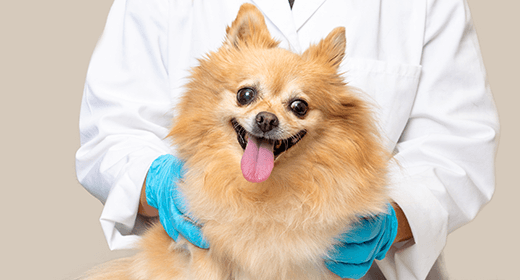
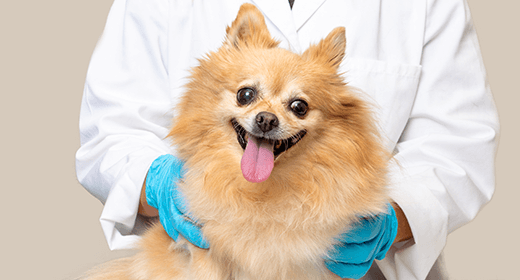
By now we all know obesity is unhealthy—for both people and pets. But do you know just how many health problems it can cause for your dog? Diabetes, bone and joint damage, decreased liver function, heart disease, increased blood pressure, and a heightened risk of cancer are just a few of the serious health issues caused by obesity. That’s a scary list. Protect your pooch by taking a proactive approach to keeping the pounds off. Here are some ways to do it.
Dogs do better with a controlled amount of food on a schedule. While some dogs can handle eating from an always-full and ever-present dog bowl, most will overeat if food is always available.
There are lots of dog foods out there, all offering something different. When it comes to keeping obesity in check, IAMS™ ProActive Health™ Adult Weight Control and IAMS Healthy Naturals™ Weight Management with Chicken formulas are great choices.
Your dog’s your pal, so it’s difficult not to share your tasty bacon or a bite of steak with him when he gives you those big, pleading eyes. But trust us—it’s worth it to resist. Feeding Fido “people food” ups his food and fat intake significantly. Plus, it creates bad habits: A dog that’s not fed from the table won’t learn to beg.
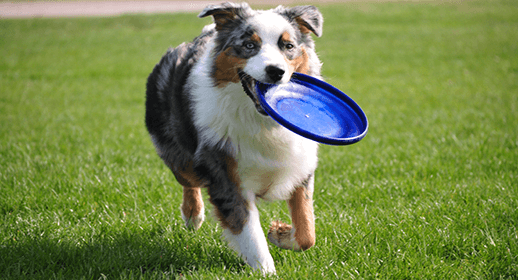
Obviously, a great way to keep your dog trim and fit is with some good exercise sessions. When you don’t have a lot of time, do short sessions of fetch or tug-of-war. Take it to the next level by jogging with your dog, tossing the Frisbee®, or starting agility training. And here’s a bonus: A dog that gets enough exercise is less likely to act out.
Of course you want to reward your dog when he’s good—but don’t forget that those treats can add up. Pay attention to the calorie and fat content of the treats you give. More importantly, take note of how many goodies you’re doling out—and how often.
Most of the time, a dog is overweight because he’s taking in more calories than he’s burning. But it is possible that there is a larger problem at work. If you’ve tried maintaining your dog’s diet and increasing exercise and still aren’t seeing results, talk to your veterinarian about a possible thyroid or other metabolic disorder.
Don’t get discouraged if you slip up every once in a while or don’t see results right away. Battling obesity is done day to day—it’s about forming good habits and being disciplined. By following the tips above and showing a little dedication, you’ll be on your way to having a healthier, happier dog.
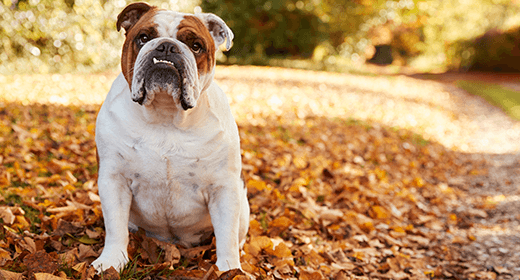
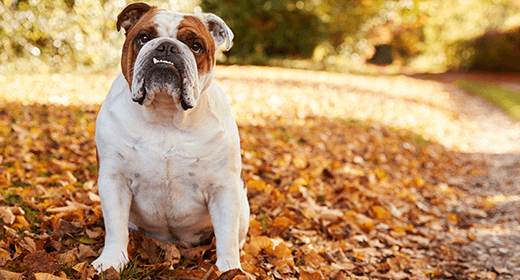
Bloat is a life-threatening condition that acts rapidly and can lead to death within hours if not recognized and treated immediately. Unfortunately, the cause of bloat remains unknown at this time.
The scientific term for bloat is gastric dilatation-volvulus or GDV. Bloat is characterized by rapid and abnormal expansion of the stomach with gas (dilatation). This can be followed by rotation of the stomach (volvulus). This rotation closes both the entry to and exit from the stomach. The blood vessels also are closed down, and blood flow is restricted.
What follows is an increase in pressure inside the stomach and compression of the surrounding organs. Eventually, shock will occur as a result of the restricted blood flow. Here are a few key facts about bloat:
Bloat is a true medical emergency, and early identification and treatment is critical to survival.
In the early stages of bloat, the dog will be very uncomfortable. You might see him pacing and whining or trying unsuccessfully to get into a comfortable position. He might seem anxious, might lick or keep staring at his stomach, and might attempt to vomit, without success.
Other indications of bloat can include weakness, swelling of the abdomen, and even signs of shock. Signs of shock are increased heart rate and abnormally rapid breathing.
If you notice these signs, call your veterinarian immediately!
These suggestions could help you prevent bloat in your dog. However, they are based on suspected risk factors and are not guaranteed to prevent the onset of bloat.
Another way you might help prevent bloat is to feed a high-quality, highly digestible food with normal fiber levels.
Feeding management offers the best method available for reducing risk until the exact cause of bloat can be identified. Although not 100% effective, these measures can reduce the number of dogs that face this serious, life-threatening condition.