Enter a keyword below to search for articles and products.
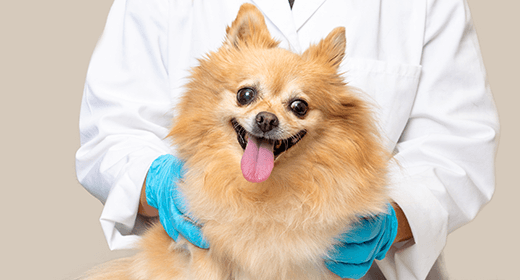
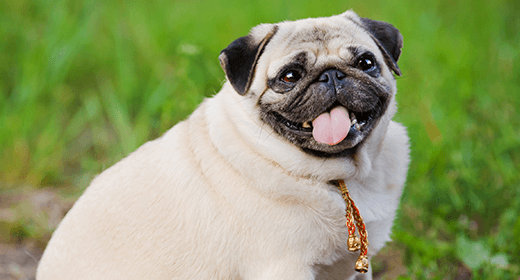
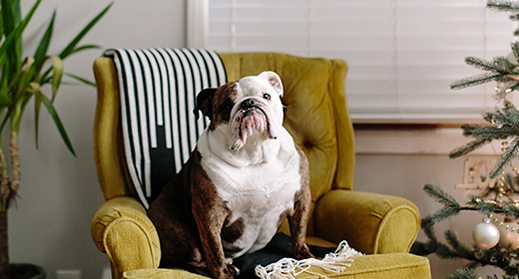
By now we all know obesity is unhealthy—for both people and pets. But do you know just how many health problems it can cause for your dog? Diabetes, bone and joint damage, decreased liver function, heart disease, increased blood pressure, and a heightened risk of cancer are just a few of the serious health issues caused by obesity. That’s a scary list. Protect your pooch by taking a proactive approach to keeping the pounds off. Here are some ways to do it.
Dogs do better with a controlled amount of food on a schedule. While some dogs can handle eating from an always-full and ever-present dog bowl, most will overeat if food is always available.
There are lots of dog foods out there, all offering something different. When it comes to keeping obesity in check, IAMS™ ProActive Health™ Adult Weight Control and IAMS Healthy Naturals™ Weight Management with Chicken formulas are great choices.
Your dog’s your pal, so it’s difficult not to share your tasty bacon or a bite of steak with him when he gives you those big, pleading eyes. But trust us—it’s worth it to resist. Feeding Fido “people food” ups his food and fat intake significantly. Plus, it creates bad habits: A dog that’s not fed from the table won’t learn to beg.
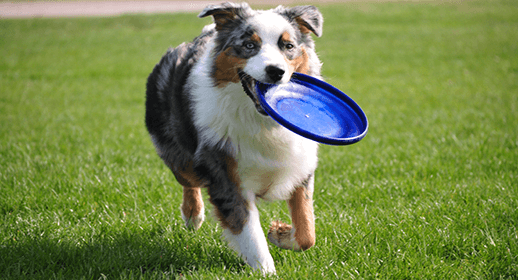
Obviously, a great way to keep your dog trim and fit is with some good exercise sessions. When you don’t have a lot of time, do short sessions of fetch or tug-of-war. Take it to the next level by jogging with your dog, tossing the Frisbee®, or starting agility training. And here’s a bonus: A dog that gets enough exercise is less likely to act out.
Of course you want to reward your dog when he’s good—but don’t forget that those treats can add up. Pay attention to the calorie and fat content of the treats you give. More importantly, take note of how many goodies you’re doling out—and how often.
Most of the time, a dog is overweight because he’s taking in more calories than he’s burning. But it is possible that there is a larger problem at work. If you’ve tried maintaining your dog’s diet and increasing exercise and still aren’t seeing results, talk to your veterinarian about a possible thyroid or other metabolic disorder.
Don’t get discouraged if you slip up every once in a while or don’t see results right away. Battling obesity is done day to day—it’s about forming good habits and being disciplined. By following the tips above and showing a little dedication, you’ll be on your way to having a healthier, happier dog.
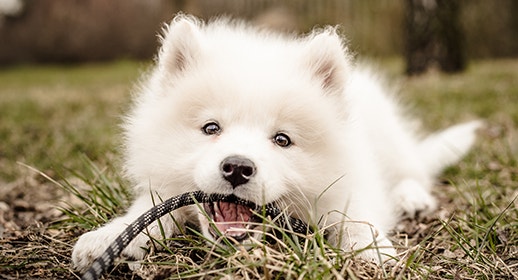
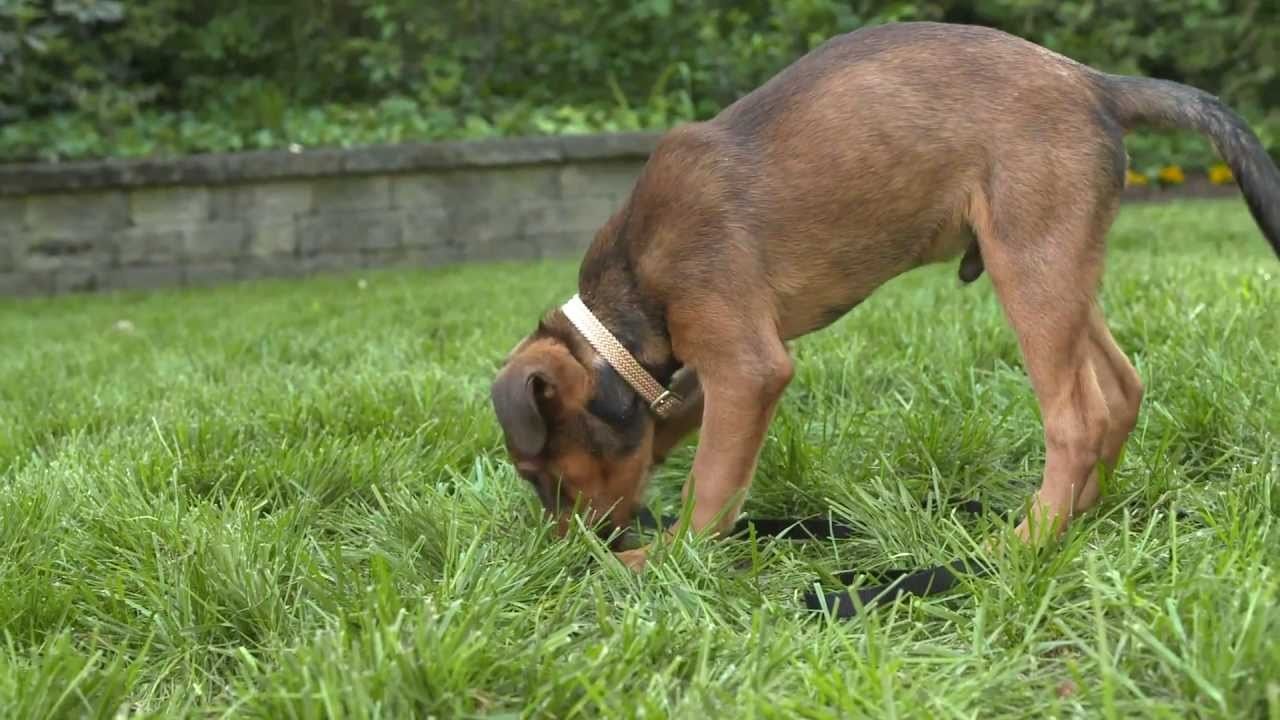
A puppy nibbling on your fingers may seem cute and harmless, but when he grows up, biting can become a hard habit to break. Join Expert Pet Trainer Kathy Santo as she explains the reasons puppies bite and what you can do to change their behavior.
Hi, I'm Kathy Santo with IAMS, and today we're going to discuss the dangers of allowing puppy biting, the importance of playing correctly, and how to stop the unwanted biting behavior.
It's normal and even cute when your puppy nibbles and lunges at your hands. Since your puppy has been exposed to only other puppies in the litter, who naturally play with biting and mouthing, it would make perfect sense why he would assume that playing with you wouldn't be different. But as puppies' teeth grow, and their bodies become stronger, what was once cute nibbling eventually turns into uncomfortable, or even dangerous, rough play and bites.
Since biting is an unacceptable type of play, it's important to teach your pup how to enjoy playing games with toys instead of your hand. Playing is a healthy, natural activity that helps build the bond between you and your puppy. This also affects your puppy's train ability-- sitting, waiting, learning tricks, not pulling on the leash, even to stop biting.
Before teaching your puppy not to bite, it's important to train your puppy to decrease bite pressure. Allow your puppy to begin mouthing and nibbling at your hand. When he bites down hard, yell 'ouch,' so he's startled and stops for a second. Continue allowing him to mouth your hand, making sure to speak up every time he bites too hard, so your puppy can learn your threshold for what is acceptable and what isn't.
Once your puppy understands your feedback about the strength of his bite, you can begin to reduce biting. The best way to teach your puppy not to bite is to redirect him to a toy or a chew bone. Simply give your dog a firm 'no,' and replace whatever he was biting with something he is allowed to chew.
If your puppy is three to six months old, there is a good chance he may be teething, so he might be trying to reduce discomfort by chewing. Try giving him an ice cube to chew on. It'll numb his gums and help alleviate the pain.
My favorite trick to get puppies to stop biting is to exaggerate, and pretend they've injured me, their friend. By pretending their nip actually hurt you, by pulling your hand away, yelling 'ouch,' and stop playing, you're replicating what other litter mates would do if another puppy were to cause them pain.
Managing and controlling puppy biting problems can be a major challenge for dog lovers. Puppy biting or nipping starts out as a bit of fun, but needs to be controlled quickly to avoid ongoing problems. Training your dog depends on a good relationship built on love and trust. It takes time to build a working partnership, and the more time and patience you have with your puppy from day one, the more obedient he'll be. Dogs want to please.
I'm Kathy Santo with IAMS, and I hope you found this as helpful as you welcome your new addition to your family.