IAMS IN
How to Help Your Overweight Dog
How to Help Your Overweight Dog mobile

adp_description_block151
How to Help Your Overweight Dog

  • Share

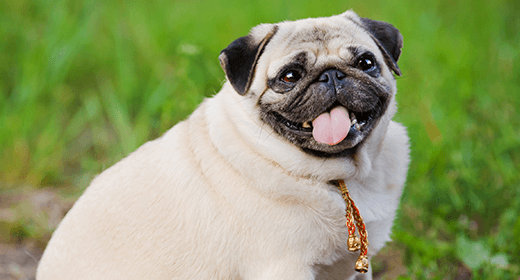
Obesity is a common problem in dogs, but you can help your pet lose weight. Identifying the causes and following a total weight-management program can result in controlled weight loss and maintenance. A total weight-management program includes evaluating the animal, educating the pet owner, modifying behaviors, and tailoring the program to individual situations.


Definition and Causes of, and Contributing Factors to, Obesity in Dogs

Obesity is defined as an increase in body weight, beyond the limitation of skeletal and physical requirements, resulting from an accumulation of excess body fat.
 

Obesity is caused when caloric intake exceeds caloric expenditure. This simply means that a dog eats more energy (calories) than it uses and stores the excess energy as fat.
 

There are many factors that can contribute to obesity:

  • Overfeeding
  • Inactivity
  • Breed
  • Age and gender
  • Spay/neuter status
  • Diabetes mellitus
  • Hyperadrenocorticism
  • Hypothyroidism
  • Owner's weight


Fat, Fiber, and Fatty Acids in Your Dog’s Weight-Loss Program

Fat

  • Dogs use fat as their primary energy source.
  • A diet that replaces some fat with highly digestible carbohydrates offers a good low-calorie alternative. Digestible carbohydrates contain fewer than one half of the calories of equal quantities of fat and do not have the disadvantages of indigestible fiber.


Fiber and Fatty Acids

  • A normal fiber level, provided in a moderately fermentable fiber source, helps create and maintain a healthy gut. This is especially important to the dog on a weight-reduction regimen.
  • Some weight-loss products for dogs dilute calories with high levels of fiber. High-fiber foods might reduce the digestibility and absorption of many nutrients, including fat. These foods reduce weight by providing what could be considered poor-quality nutrition. These high-fiber diets also might result in large, frequent stools, and decreased skin and coat condition.
  • Diets that provide an adjusted fatty-acid profile maintain the pet's healthy skin and coat, despite lowered fat levels.


Carbohydrates and Special Ingredients in Your Dog’s Weight-Loss Program

Carbohydrates and Special Ingredients

  • Feeding a diet that contains the carbohydrates corn, sorghum, and/or barley can result in lower blood sugar and insulin levels as compared to feeding a diet that contains rice as the primary carbohydrate source. Lower blood sugar and insulin levels also can help with maintaining a proper weight.


In addition, a diet that contains L-carnitine can help dogs metabolize fat. L-carnitine is a vitamin-like compound that helps burn fat.


Weight Loss for Your Dog Should Be Gradual

  • The goal of a good weight-loss-management program should be gradual weight loss. This is especially important in cats, because severe nutrient restriction can result in hepatic lipidosis (abnormal fat accumulation in the liver).
  • Dogs should lose 1 to 2% of their initial weight per week.
  • A good way to begin a weight-loss program is to reduce caloric intake by transitioning to a weight-control or reduced-fat formula. Dogs and cats that do not respond quickly should see their veterinarian for a special weight-loss program.


A total weight-management program can lead to successful weight reduction in the obese dog. Complete evaluation by the veterinarian is always recommended, and owner compliance is essential to success.
 

IAMS™ and professional veterinary products provide optimum nutrition for animals that can benefit from a weight-management program.
  • Is Your Puppy Ready for Adult Dog Food?
    Is Your Puppy Ready for Adult Dog Food?mob
    adp_description_block14
    Is Your Puppy Ready for Adult Dog Food?

    • Share

    When, Why, and How to Start Feeding Your Pup Grown-up Nutrition

    As your puppy grows into an adult dog, he needs nutrition that keeps his body as strong as your love, and that means a high-quality, premium adult formula such as IAMS™ ProActive Health™ Adult MiniChunks


    The Benefits of Feeding Premium Food

    Why move your grown-up pup to a premium adult dog food? Because quality counts. It's crucial to continue his superb puppy nutrition into adulthood. Downgrading to a lower-quality brand at this stage of his life may upset his digestive system, and won't provide him with the same level of nutritional excellence he was raised on.

    Think of a baby. When it's time to start giving him solid food, you wouldn't dream of feeding your child anything less than the best nutrition you can buy. The same is true for your maturing puppy. He needs the best age-appropriate food there is to help maintain his overall health.

    Premium foods, such as IAMS, are specifically designed to provide your dog with a food that has:

    • High-quality ingredients
    • High total-diet digestibility
    • Balanced, optimal levels of protein, fat, fiber, carbohydrates, vitamins, and minerals
    • A nutrient-dense formulation appropriate for a particular life stage
    • Consistent, high-quality, natural-ingredient recipes that do not change because of manufacturing costs
    • Specific fatty-acid balance to help maintain healthy skin and coat
    • Great palatability and taste, based on feeding trials
    • Met or exceeded the Association of American Feed Control Officials guidelines
    • Product guarantees


    Premium-Food Results

    What does it all add up to? A happy, healthy dog. With premium dog food, you can expect key indicators that contribute to providing your dog with a long, healthy life:

    • Exceptional muscle tone
    • A shiny, luxurious coat
    • Healthy skin and bones
    • Clean teeth
    • Clear, bright eyes
    • Small, firm stools

    Founded on more than 60 years of research into canine nutrition, premium formulas from IAMS help maintain your dog's health and provide him with the nutrition he needs for a long life. Basic brands may not provide these benefits or match the level of expertise that goes into every bag of dog food from IAMS.


    When to Switch

    Your puppy's transition to adult food should begin when he approaches adult height. His breed type will also help determine when to switch. Small-breed dogs tend to mature physically much sooner than large-breed dogs. Follow these guidelines to help you decide when to switch formulas:

    • Small-breed dogs that weigh 20 pounds or less when fully grown are usually ready to eat adult food at 9 to 12 months of age.
    • Medium-breed dogs that weigh between 20 and 50 pounds as adults normally mature at 12 to 14 months of age.

    Large- and giant-breed dogs, those weighing more than 50 pounds when fully grown, might not be ready to switch to an adult food until they're 12 to 24 months old.


    Make the Transition

    To avoid upsetting your dog's intestinal tract or causing diarrhea, make the change from a puppy formula to an adult diet over a period of four days by mixing the two foods in your dog's bowl.

    • Day One: Fill your dog’s bowl with 75% puppy food and 25% adult food.
    • Day Two: Mix the adult and puppy food in a 50/50 ratio.
    • Day Three: Feed your dog a mixture that’s 75% adult food and 25% puppy food.
    • Day Four: Switch to 100% adult formula.

    How much food should you give your dog? Check the daily feeding recommendations established by the pet-food manufacturer and read the label. Dan Carey, DVM and Director of Technical Communications at IAMS, suggests using the recommendations, then weighing your dog each week. If he's gaining or losing weight and shouldn't be, slightly decrease or increase his daily intake, and weigh him again in another week.


    If you have specific concerns about your dog's weight, talk to your veterinarian. He or she can assess your dog's needs and give you a feeding recommendation.

Close modal