IAMS IN
How to Help Your Overweight Dog
How to Help Your Overweight Dog mobile

adp_description_block419
How to Help Your Overweight Dog

  • Share

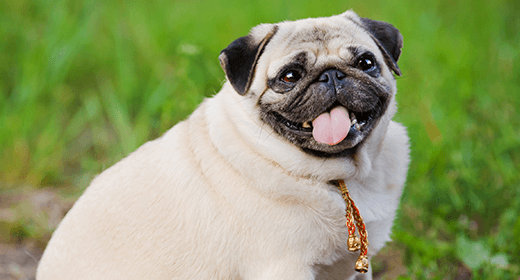
Obesity is a common problem in dogs, but you can help your pet lose weight. Identifying the causes and following a total weight-management program can result in controlled weight loss and maintenance. A total weight-management program includes evaluating the animal, educating the pet owner, modifying behaviors, and tailoring the program to individual situations.


Definition and Causes of, and Contributing Factors to, Obesity in Dogs

Obesity is defined as an increase in body weight, beyond the limitation of skeletal and physical requirements, resulting from an accumulation of excess body fat.
 

Obesity is caused when caloric intake exceeds caloric expenditure. This simply means that a dog eats more energy (calories) than it uses and stores the excess energy as fat.
 

There are many factors that can contribute to obesity:

  • Overfeeding
  • Inactivity
  • Breed
  • Age and gender
  • Spay/neuter status
  • Diabetes mellitus
  • Hyperadrenocorticism
  • Hypothyroidism
  • Owner's weight


Fat, Fiber, and Fatty Acids in Your Dog’s Weight-Loss Program

Fat

  • Dogs use fat as their primary energy source.
  • A diet that replaces some fat with highly digestible carbohydrates offers a good low-calorie alternative. Digestible carbohydrates contain fewer than one half of the calories of equal quantities of fat and do not have the disadvantages of indigestible fiber.


Fiber and Fatty Acids

  • A normal fiber level, provided in a moderately fermentable fiber source, helps create and maintain a healthy gut. This is especially important to the dog on a weight-reduction regimen.
  • Some weight-loss products for dogs dilute calories with high levels of fiber. High-fiber foods might reduce the digestibility and absorption of many nutrients, including fat. These foods reduce weight by providing what could be considered poor-quality nutrition. These high-fiber diets also might result in large, frequent stools, and decreased skin and coat condition.
  • Diets that provide an adjusted fatty-acid profile maintain the pet's healthy skin and coat, despite lowered fat levels.


Carbohydrates and Special Ingredients in Your Dog’s Weight-Loss Program

Carbohydrates and Special Ingredients

  • Feeding a diet that contains the carbohydrates corn, sorghum, and/or barley can result in lower blood sugar and insulin levels as compared to feeding a diet that contains rice as the primary carbohydrate source. Lower blood sugar and insulin levels also can help with maintaining a proper weight.


In addition, a diet that contains L-carnitine can help dogs metabolize fat. L-carnitine is a vitamin-like compound that helps burn fat.


Weight Loss for Your Dog Should Be Gradual

  • The goal of a good weight-loss-management program should be gradual weight loss. This is especially important in cats, because severe nutrient restriction can result in hepatic lipidosis (abnormal fat accumulation in the liver).
  • Dogs should lose 1 to 2% of their initial weight per week.
  • A good way to begin a weight-loss program is to reduce caloric intake by transitioning to a weight-control or reduced-fat formula. Dogs and cats that do not respond quickly should see their veterinarian for a special weight-loss program.


A total weight-management program can lead to successful weight reduction in the obese dog. Complete evaluation by the veterinarian is always recommended, and owner compliance is essential to success.
 

IAMS™ and professional veterinary products provide optimum nutrition for animals that can benefit from a weight-management program.
  • Do Dogs Like Hugs?
    Do Dogs Like Hugs?
    adp_description_block329
    Do Dogs Like Hugs?

    • Share

    Most humans recognize a hug as a sign of affection and friendship. In an IAMS™ survey*, 83% of dog parents say their dog likes hugs too. But how do dogs feel about them? Bring it in! We’re going to try and get our arms around this question.


    hugs fr 1dogs


    Dogs don’t like hugs: Spoiler alert

    Sure, some dogs enjoy a good canine cuddle, but usually only with their owner or household members. Otherwise, they don’t really care for it. “Hugging is too much and overwhelming for many dogs and should be discouraged if the dog doesn’t know the individual very well,” advises 

    Opens a new windowJames Serpell, B.S., Ph.D., Professor of Humane Ethics & Animal Welfare at the University of Pennsylvania School of Veterinary Medicine. 

    There are a number of reasons for this:


    Four legs vs. two

    Hugging is a human behavior, not a dog behavior. They’re just not physically built for that kind of interaction. We stand upright, so we face people. Dogs are on all fours, so it’s an unnatural act for them. They much prefer a friendly sniff to greet other dogs.


    Dominant behavior

    To dogs, a hug is seen as a very dominant form of behavior; it feels like a stranger is trying to assert control over them. It can be quite stressful, especially if done by someone they’re not familiar with.


    Freeeeeeeeeedom!

    Since ancient dog days, canines’ first instinctive line of defense has been to run away from danger. Hugging takes this primal option away and can make them feel trapped and confined. Remember when you were a kid getting hugged by that loud great aunt you’ve never met at your dad’s second cousin’s wedding? That’s kind of what your dog is feeling. Who is this? What are they doing? They want to escape too.


    hugs fr 2 min new


    Signs your dog does not like hugs

    You can usually tell by their body language, says 

    Opens a new windowDr. Jo Gale, BVetMed CertLAS MRCVS, Senior Manager, Global Science Advocacy at Waltham Petcare Science Institute: “Watch for trembling, trying to get away, raised hackles or whites around their eyes. It’s very important to pay attention to this behavior and respect it.”


    Alternatives to hugging your dog

    Don’t worry if your dog doesn’t want to hug it out. There are plenty of healthier ways you can show them you’re still their best friend:

    • Pet them or give them a good, relaxing brush.
    • Take them on walks or play a game with their favorite toy.
    • Give them their favorite food or treats.
    • Give them a verbal hug. Tell them they’re a “good boy” or a “good girl.” They never get tired of that.


    *Surveyed U.S. dog owners, age 18+ 

    Sample Size: n=201 

    Fielded May 8-10, 2020

Close modal