Enter a keyword below to search for articles and products.
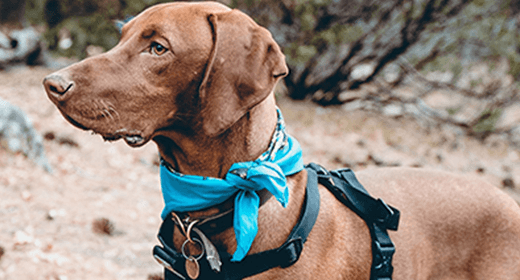
Active dogs thrive on diets high in fat. To preserve a high-fat dry kibble diet, however, is a challenge. The IAMS research team met that challenge with an effective preservative system used in all our dry dog food products, such as IAMS™ ProActive Health™ Adult MiniChunks.
The preservative system features a special blend of mixed tocopherols. Tocopherols are antioxidants extracted from vegetable oils. There are four major types of tocopherols. Vitamin E, also known as alpha-tocopherol, is commonly used in dog foods, though a specific mixture of the different tocopherols protects against rancidity.
Our preservative system slows the rate of oxidation and allows for an extended shelf life.
Wet foods, such as IAMS™ ProActive Health™ with Chicken and Whole Grain Rice Pate, do not require preservatives because they are preserved by packaging. When the ingredients are mixed and ready for cooking, the mixture is packed into cans, trays or pouches and cooked in a retort. Similar in principle to a pressure cooker, the retort sterilizes and preserves the product.
The cans, trays or pouches are then cooled under conditions that assure product sterility and container integrity.
Thorough shelf-life testing is conducted on all our products. In general, shelf lives for various types of products are:
24 months for wet foods
16 months for dry foods
12 months for biscuits
By using a preservative system in our dry dog food and preservation through packaging in our wet dog food, IAMS makes sure the food your dog eats is well-balanced and nutritionally beneficial.
Pregnancy and nursing are not only responsible for many changes in a dog's body, but for changes in her lifestyle as well. If your dog is pregnant or nursing, pay special attention to her changing nutritional needs as she carries, delivers and nurses her puppies.
If you're planning to breed your female dog, it’s important to assess her body condition well in advance of breeding. Because of the physical demands of pregnancy and nursing, a dog with less-than-ideal health can experience problems:
Be sure to feed the proper amounts of a complete and balanced diet. This will support the mother's healthy weight and body condition before breeding and help maintain her health and that of her babies throughout pregnancy and lactation.
The gestation period for dogs is nine weeks. Pregnant dogs gain weight only slightly until about the sixth week, and then gain weight rapidly.
The energy requirements of pregnant dogs are reflected in the pattern of weight gain. Pregnant dogs will need to consume 25% to 50% more than their normal food intake by the end of pregnancy, but energy requirements do not increase until about the sixth week.
The best diet for pregnant and nursing dogs is a high-quality, nutrient-dense pet food formulated for all life stages or for growth. Although puppy diets are generally recommended for pregnant or nursing dogs, large-breed puppy formulas may not be appropriate for this use due to their adjusted energy and mineral content.
Pregnant dogs lose weight after giving birth, but their nutritional needs increase dramatically. Depending on litter size, nursing dogs might need two to three times their normal food requirement to nourish their pups. Be sure your nursing mom has plenty of water so she can generate the milk volume she needs to feed the litter.
To help your nursing dog get enough nutrition, you can try several tactics:
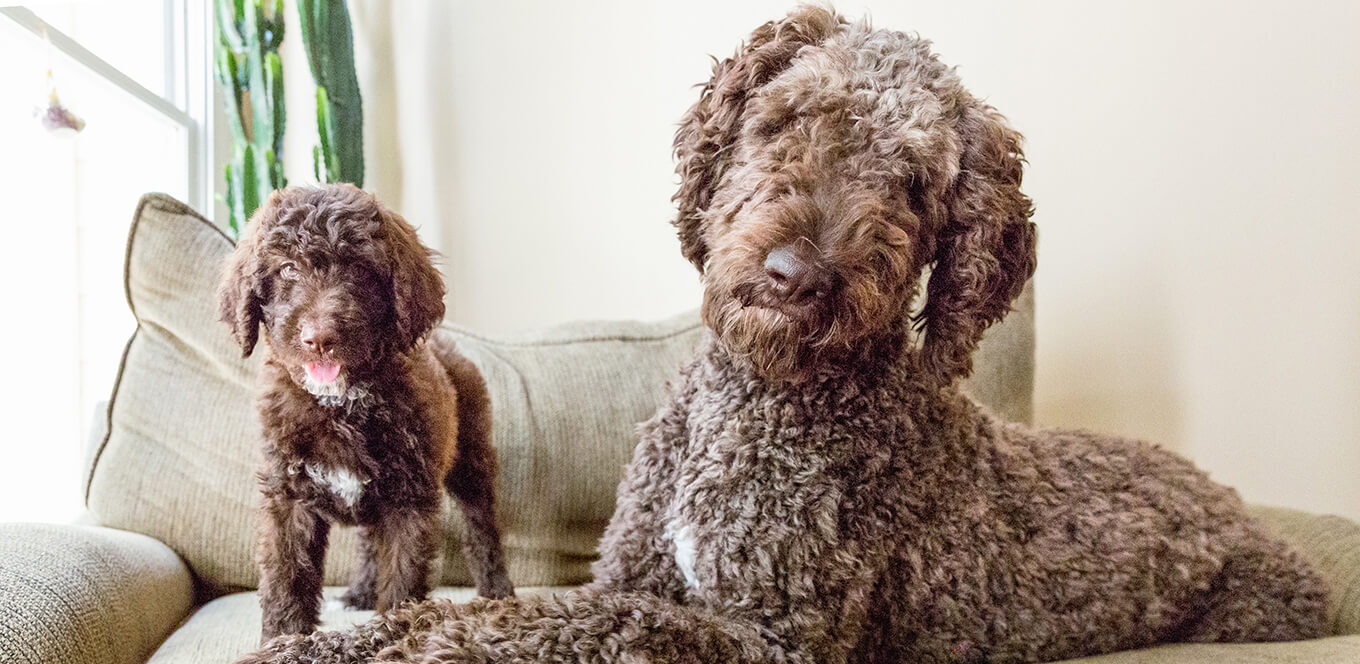
By four to five weeks after birth, most puppies are showing an interest in their mother’s food. Gradually, the puppies will begin eating more solid food and nursing less. At the same time, the nursing mother will usually begin eating less. Most puppies are completely weaned around age 7 to 8 weeks. By this time, the mother's energy requirement is back to normal, and she should be eating her normal pre-pregnancy diet.