Enter a keyword below to search for articles and products.


Active dogs thrive on diets high in fat. To preserve a high-fat dry kibble diet, however, is a challenge. The IAMS research team met that challenge with an effective preservative system used in all our dry dog food products, such as IAMS™ ProActive Health™ Adult MiniChunks.
The preservative system features a special blend of mixed tocopherols. Tocopherols are antioxidants extracted from vegetable oils. There are four major types of tocopherols. Vitamin E, also known as alpha-tocopherol, is commonly used in dog foods, though a specific mixture of the different tocopherols protects against rancidity.
Our preservative system slows the rate of oxidation and allows for an extended shelf life.
Wet foods, such as IAMS™ ProActive Health™ with Chicken and Whole Grain Rice Pate, do not require preservatives because they are preserved by packaging. When the ingredients are mixed and ready for cooking, the mixture is packed into cans, trays or pouches and cooked in a retort. Similar in principle to a pressure cooker, the retort sterilizes and preserves the product.
The cans, trays or pouches are then cooled under conditions that assure product sterility and container integrity.
Thorough shelf-life testing is conducted on all our products. In general, shelf lives for various types of products are:
24 months for wet foods
16 months for dry foods
12 months for biscuits
By using a preservative system in our dry dog food and preservation through packaging in our wet dog food, IAMS makes sure the food your dog eats is well-balanced and nutritionally beneficial.
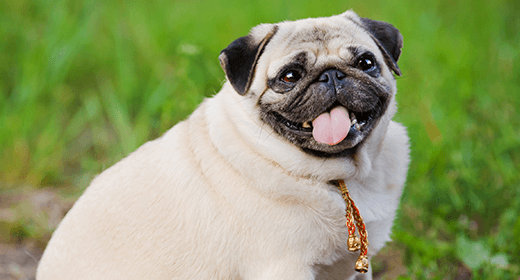
Obesity is a common problem in dogs, but you can help your pet lose weight. Identifying the causes and following a total weight-management program can result in controlled weight loss and maintenance. A total weight-management program includes evaluating the animal, educating the pet owner, modifying behaviors, and tailoring the program to individual situations.
Obesity is defined as an increase in body weight, beyond the limitation of skeletal and physical requirements, resulting from an accumulation of excess body fat.
Obesity is caused when caloric intake exceeds caloric expenditure. This simply means that a dog eats more energy (calories) than it uses and stores the excess energy as fat.
There are many factors that can contribute to obesity:
Fat
Fiber and Fatty Acids
Carbohydrates and Special Ingredients
In addition, a diet that contains L-carnitine can help dogs metabolize fat. L-carnitine is a vitamin-like compound that helps burn fat.
A total weight-management program can lead to successful weight reduction in the obese dog. Complete evaluation by the veterinarian is always recommended, and owner compliance is essential to success.
IAMS™ and professional veterinary products provide optimum nutrition for animals that can benefit from a weight-management program.