Enter a keyword below to search for articles and products.
Calling all dog parents! Let’s start with some burning questions: Are you a newbie owner? Is your pooch packing on a few extra pounds? Are they bored? Or treating your loafers like chew toys?
One word: EXERCISE. It’s vital for a healthy, non-problem-child pooch. (And it can be good for your BMI, too!)
Your dog’s breed and age are the two factors that determine how much exercise they need. Check out these tips to be sure your pooch is getting the right amount of physical activity every day.
Your dog’s breed group helps determine their exercise needs.
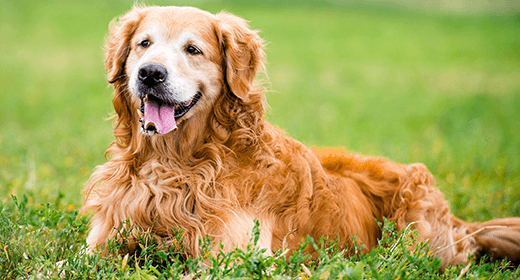
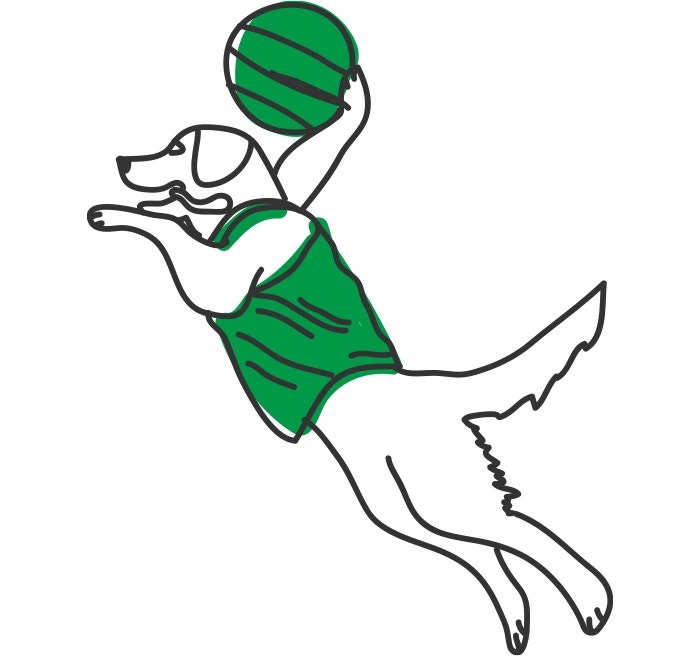
Sporting group dogs are energetic, natural athletes who should get approximately 90 minutes of high-intensity exercise. They enjoy long, brisk walks, hikes in the woods, swimming and playing fetch.
Examples: Retrievers, pointers, setters and spaniels
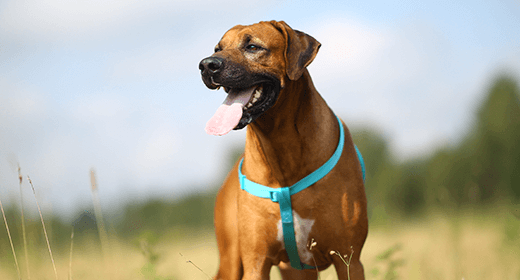
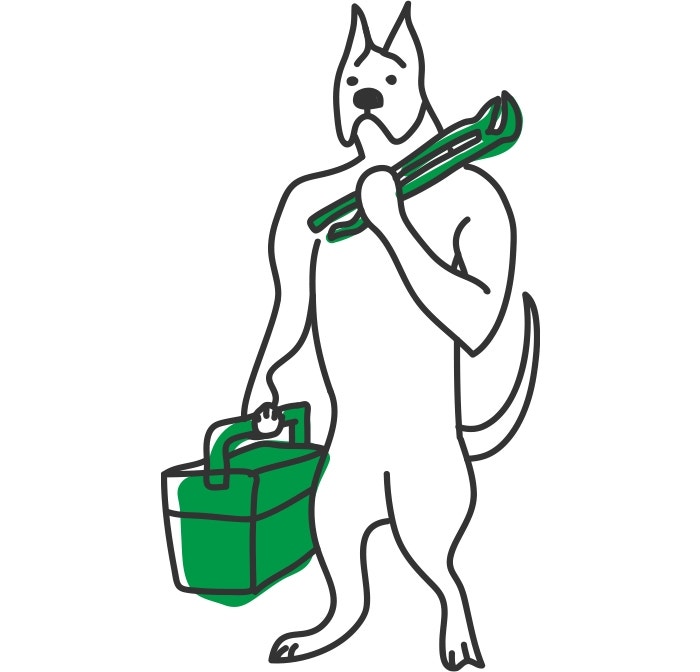
Blue-collar pooches in the working group are happiest when they have a job to do. They need about one to two hours of fun, pant-inducing activity every day. Take them for long walks or hikes, or create a homemade agility course in your backyard.
Examples: Boxers, Alaskan malamutes, Rottweilers and Siberian huskies
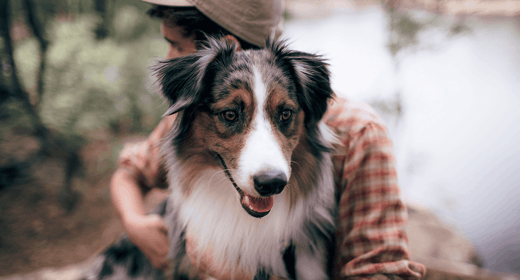
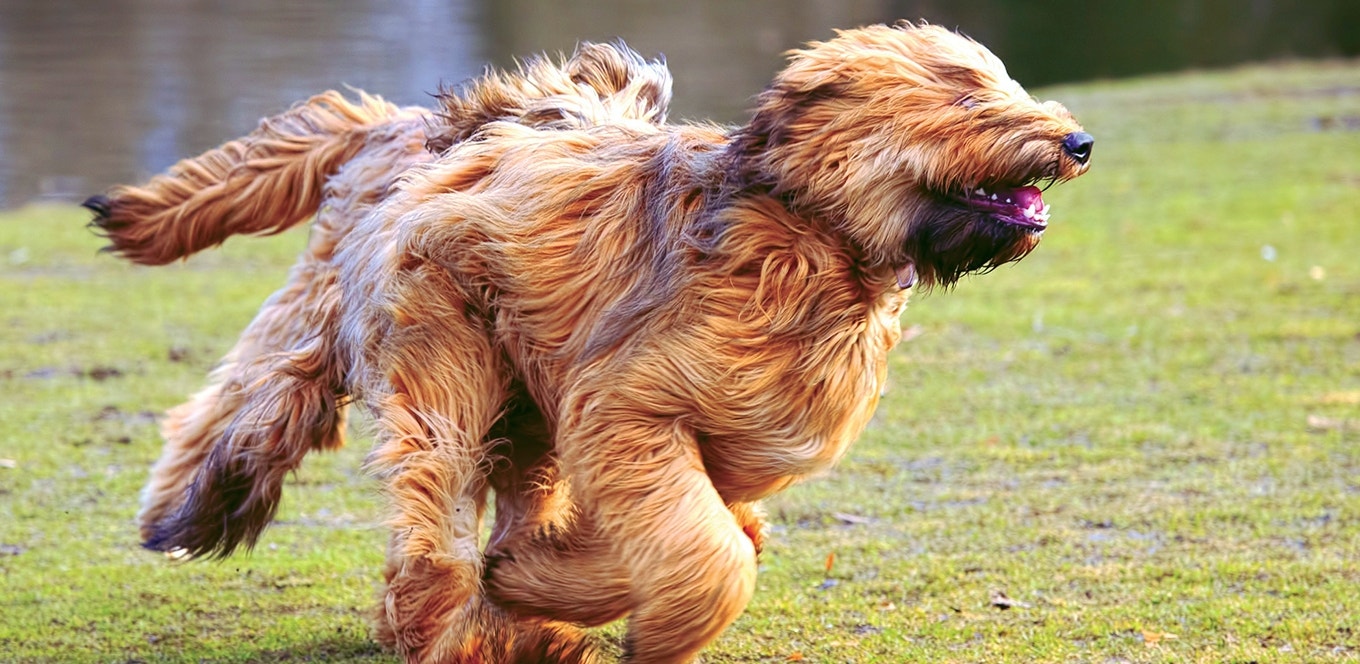
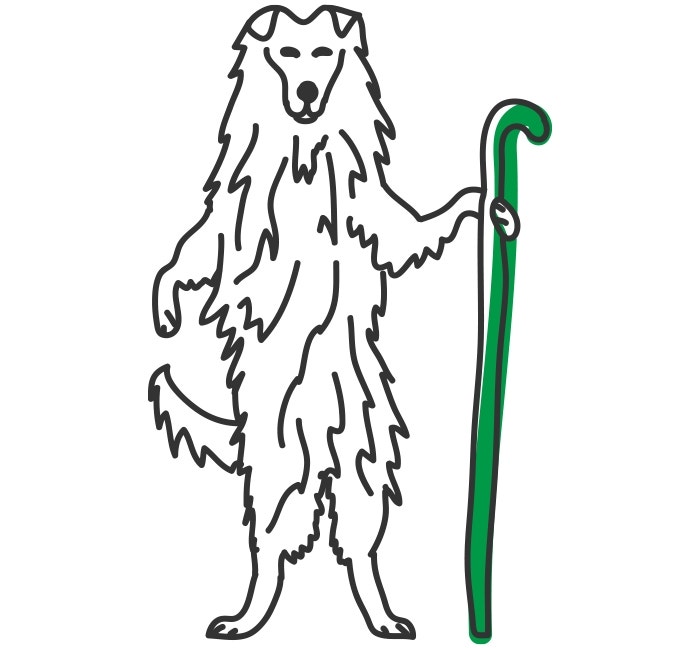
Sixty to 90 minutes of vigorous exercise and play daily? That’s what most high-IQ, high-energy herding group dogs need. You can’t go wrong with activities that challenge them physically and mentally, like long power walks and fun games like fetch, chase and Frisbee.
Examples: Shepherds, collies and sheepdogs
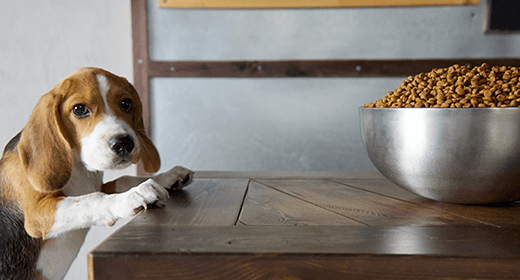
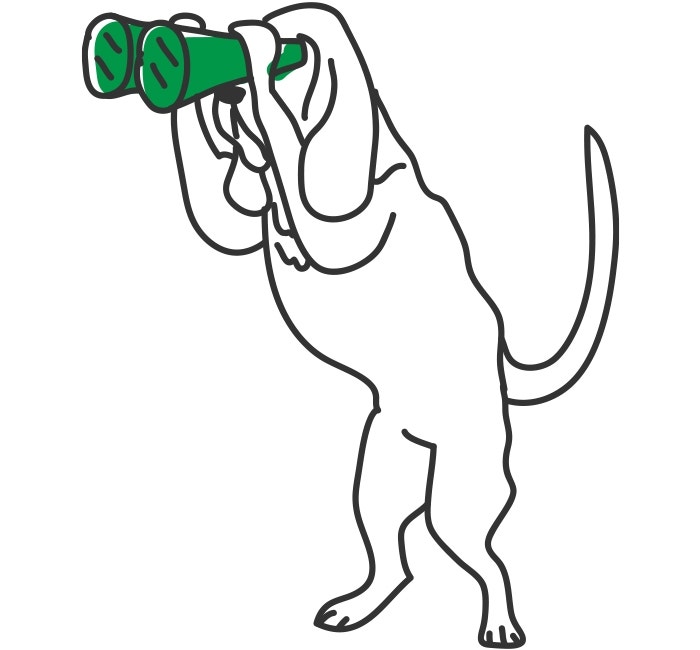
Sight hound dogs need roughly 30 minutes of regular exercise, and scent hound dogs should get about one hour of intense exercise. Take sight hounds on walks or have them do a couple of sprint workouts each week. Scent hounds need longer periods of vigorous activity and love hiking, jogging or playing tracking games in the woods. (Shocking, we know.)
Examples: Afghan hounds, greyhounds, whippets, beagles, bloodhounds and basset hounds
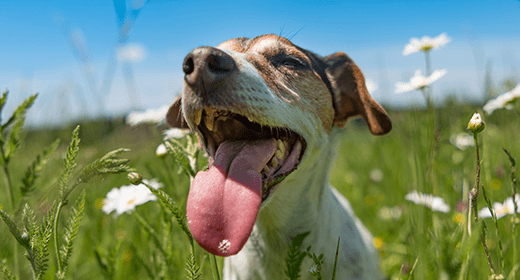
Short-legged terrier group breeds need about 30 minutes of exercise every day, while their longer-legged counterparts need one hour or more. Ideal exercises include fast-paced walks, hikes in the forest and chasing their favorite squeaky ball in the backyard or park.
Examples: Jack Russell terriers, West Highland white terriers (Westies), Yorkshire terriers (Yorkies) and schnauzers
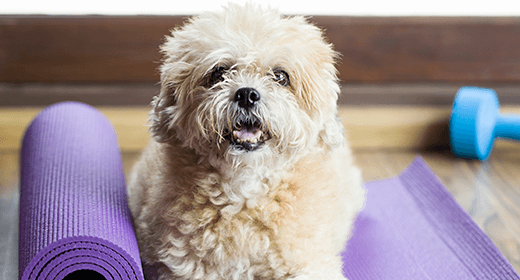
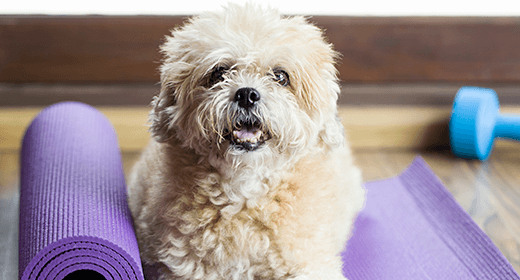
Most petite pups in the toy group are lap dogs, but they should still get approximately 30 to 60 minutes of moderate exercise — they tend to get too husky when they don’t get proper workouts. Plus, toy dogs can really get their hearts pumping in a small area, so consider complementing your daily walks with indoor dog exercise.
Examples: Chihuahuas, Pomeranians and Maltese here are a ton of different breeds in the nonsporting group, so start with 30 minutes of daily exercise and adjust. Each breed’s exercise needs are unique, and short-nosed dogs, like bulldogs and Shih Tzus, should only have short periods of moderate activity.
Examples: Dalmatians, bulldogs, chow chows and poodles
If you’re the proud parent of a mutt who’s mushed your heart, just follow the exercise suggestions for the most dominant breed or two. (Or ask your vet!)
When figuring out how to exercise with your dog, consider your dog’s age. Each stage has unique exercise requirements.
Puppies are balls of energy that do best with short bursts of exercise. (Think zoomies in the backyard.) The best activities are short, easy walks, a few play sessions throughout the day and, of course, obedience training. Avoid long walks and running because they can be too hard on your pup’s growing bones and joints.
Healthy adult dogs can do just about anything! Whether it’s walking, running, hiking, swimming, or playing tug-of-war or fetch, they’ll be getting the exercise they need to stay healthy and happy — plus they’ll enjoy spending time with you.
Although your senior dog might move at a slightly slower pace than before, they still need exercise and playtime. You may want to shorten walks and fetch time, though, and do other low-impact activities like learning new tricks.
Finally, make sure your dog is properly fueled for their next workout. Feed them high-quality, nutritionally balanced IAMS™ food that’s tailored for their unique size and life stage.
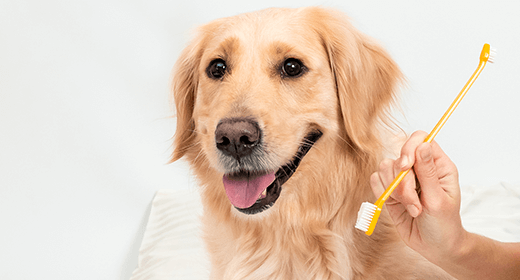
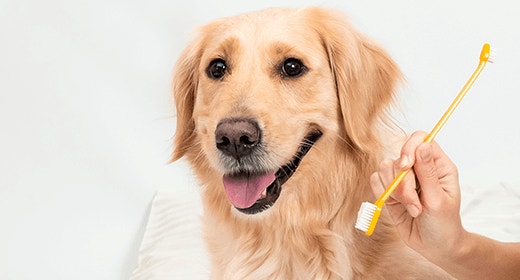
Dogs need regular dental care just like you do; gum disease and broken teeth are the major concerns. Fortunately, pets seldom suffer from tooth decay. Their cone-shaped teeth, non-acidic saliva, and low-sugar diets all help protect them from this nasty ailment. (Note: If you give your pets sweets for snacks, they can get cavities.)
Regular brushing and professional cleaning can keep your dog’s teeth healthy and gleaming. Giving your pet appropriate toys to chew prevents fractures.
Periodontal disease affects the gums, bones, and connective tissue around the teeth, and it can cause tooth loss. First, plaque—a soft, clear, or cream-colored deposit—forms on the teeth. If it isn't removed, minerals in the dog's saliva turn plaque into tartar. Tartar builds up below the gums, and bacteria grows, causing inflammation.
The same bacteria that causes the inflammation can enter your pet's bloodstream and cause or aggravate lung, kidney, liver, and heart problems. That's a lot of trouble, worry, and cost from something that could be stopped in its early stages.
When your puppy first begins to get permanent teeth, check carefully to be sure the baby teeth come out as the new teeth come in. Retained teeth can cause the permanent teeth to be crooked. Toy dog breeds, with their tiny jaws, are at special risk for this problem.
While hard foods and chew toys can help keep teeth clean, you need to get your pet used to regular tooth-brushing. As soon as you bring your new pet home, get him accustomed to having his mouth handled. This is good practice for dogs that will be shown; judges check to make sure dogs have their full set of teeth. It is also good training—it teaches the dog to tolerate having things in his mouth without biting or snapping.
What your dog eats affects his 'smile.' Dry foods and treats help clean plaque from his teeth. Rawhide chews are also good cleaning tools, as are some of the knobby plastic toys on the market. None of these are hard enough to cause tooth damage, but be sure to watch your pet to make sure small pieces of the toys aren't torn off and swallowed. Real bones can also be dangerous for your pet and should not be used for tooth-cleaning purposes.
All dry adult IAMS™ Dog Foods, such as IAMS ProActive Health™ Adult MiniChunks, include Daily Dental Care, a special kibble coating that helps reduce tartar buildup for better oral health.
It just takes a little time and patience. Begin by running your finger gently over his gums. At first, just rub the outside, but as he adjusts to the routine, begin to open his mouth and rub the gums inside the teeth as well.
As your dog gets accustomed to this, wrap your finger with gauze and rub his gums. Eventually, add a pet toothpaste; do not use human toothpaste. After a few weeks, your dog should be willing to accept a toothbrush for pets, which should have soft, multi-tufted synthetic bristles.
Hold the toothbrush at a 45-degree angle and apply it to the area where teeth and gums meet. Rotate it in small circles, overlapping several teeth. Finish with vertical strokes to pull plaque from between the teeth. Repeat until all the teeth on the cheek side are clean. The inside teeth will be more difficult, as your dog may resist opening his mouth, but eventually you'll be able to brush the inside and outside surfaces of all the teeth. For effective cleaning, brush your dog's teeth a couple of times a week.
If your dog won't cooperate with home brushing or if you already see brown tartar stains on his teeth or red and bleeding gums, it's time to turn to your veterinarian for help. He or she will give your dog general anesthesia and clean the teeth above and below the gum line to remove plaque and tartar. After the teeth are cleaned, they will be polished to remove microscopic plaque and to make the teeth smooth to discourage plaque from clinging.
Remember, dental care is as important to your pet's health as it is to your own—you owe it to your dog to provide regular tooth care and cleaning.