Enter a keyword below to search for articles and products.
Calling all dog parents! Let’s start with some burning questions: Are you a newbie owner? Is your pooch packing on a few extra pounds? Are they bored? Or treating your loafers like chew toys?
One word: EXERCISE. It’s vital for a healthy, non-problem-child pooch. (And it can be good for your BMI, too!)
Your dog’s breed and age are the two factors that determine how much exercise they need. Check out these tips to be sure your pooch is getting the right amount of physical activity every day.
Your dog’s breed group helps determine their exercise needs.
Sporting group dogs are energetic, natural athletes who should get approximately 90 minutes of high-intensity exercise. They enjoy long, brisk walks, hikes in the woods, swimming and playing fetch.
Examples: Retrievers, pointers, setters and spaniels
Blue-collar pooches in the working group are happiest when they have a job to do. They need about one to two hours of fun, pant-inducing activity every day. Take them for long walks or hikes, or create a homemade agility course in your backyard.
Examples: Boxers, Alaskan malamutes, Rottweilers and Siberian huskies
Sixty to 90 minutes of vigorous exercise and play daily? That’s what most high-IQ, high-energy herding group dogs need. You can’t go wrong with activities that challenge them physically and mentally, like long power walks and fun games like fetch, chase and Frisbee.
Examples: Shepherds, collies and sheepdogs
Sight hound dogs need roughly 30 minutes of regular exercise, and scent hound dogs should get about one hour of intense exercise. Take sight hounds on walks or have them do a couple of sprint workouts each week. Scent hounds need longer periods of vigorous activity and love hiking, jogging or playing tracking games in the woods. (Shocking, we know.)
Examples: Afghan hounds, greyhounds, whippets, beagles, bloodhounds and basset hounds
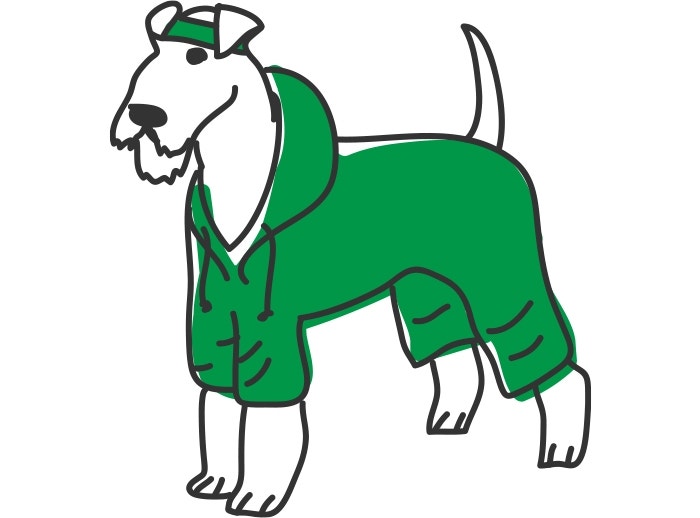
Short-legged terrier group breeds need about 30 minutes of exercise every day, while their longer-legged counterparts need one hour or more. Ideal exercises include fast-paced walks, hikes in the forest and chasing their favorite squeaky ball in the backyard or park.
Examples: Jack Russell terriers, West Highland white terriers (Westies), Yorkshire terriers (Yorkies) and schnauzers
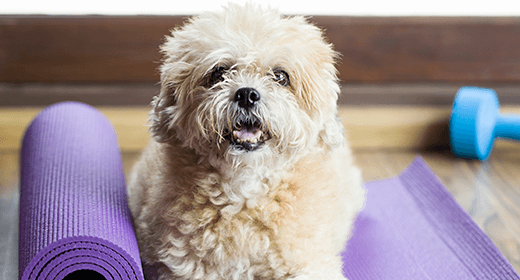
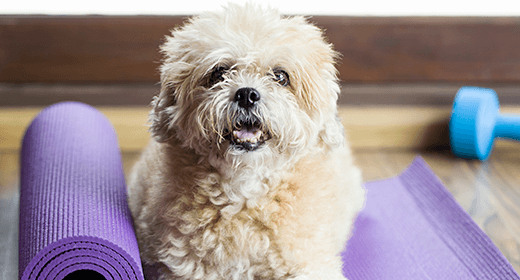
Most petite pups in the toy group are lap dogs, but they should still get approximately 30 to 60 minutes of moderate exercise — they tend to get too husky when they don’t get proper workouts. Plus, toy dogs can really get their hearts pumping in a small area, so consider complementing your daily walks with indoor dog exercise.
Examples: Chihuahuas, Pomeranians and Maltese here are a ton of different breeds in the nonsporting group, so start with 30 minutes of daily exercise and adjust. Each breed’s exercise needs are unique, and short-nosed dogs, like bulldogs and Shih Tzus, should only have short periods of moderate activity.
Examples: Dalmatians, bulldogs, chow chows and poodles
If you’re the proud parent of a mutt who’s mushed your heart, just follow the exercise suggestions for the most dominant breed or two. (Or ask your vet!)
When figuring out how to exercise with your dog, consider your dog’s age. Each stage has unique exercise requirements.
Puppies are balls of energy that do best with short bursts of exercise. (Think zoomies in the backyard.) The best activities are short, easy walks, a few play sessions throughout the day and, of course, obedience training. Avoid long walks and running because they can be too hard on your pup’s growing bones and joints.
Healthy adult dogs can do just about anything! Whether it’s walking, running, hiking, swimming, or playing tug-of-war or fetch, they’ll be getting the exercise they need to stay healthy and happy — plus they’ll enjoy spending time with you.
Although your senior dog might move at a slightly slower pace than before, they still need exercise and playtime. You may want to shorten walks and fetch time, though, and do other low-impact activities like learning new tricks.
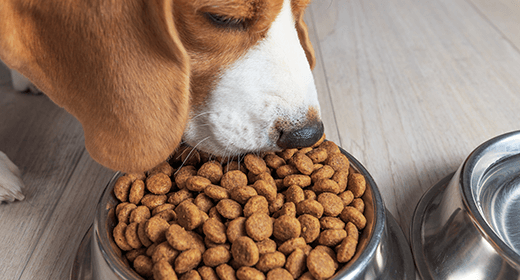
Finally, make sure your dog is properly fueled for their next workout. Feed them high-quality, nutritionally balanced IAMS™ food that’s tailored for their unique size and life stage.

Taking care of your new puppy can be overwhelming, but with these tips and lots of love, you’ll be a great puppy parent in no time.
Just like a baby, a puppy's body is fragile. Avoid picking up your puppy unless absolutely necessary. If you must, be careful and use these steps:
Step 1: Place one hand under your puppy's rump, and place your other hand under his chest.
Step 2: Lift with both arms. With a small adult dog, use the puppy technique. For larger dogs, wrap both arms around his legs, draw him to your chest, and lift.
Before you bring your puppy home, be sure you have the following supplies:
Keeping your puppy safe in your yard requires good fencing. There are several options to choose from, and the one you should pick will depend on your puppy's personality, your property, and your budget. Here are some of the options you should consider:
The ideal time to bring home a new puppy is when the house is quiet. Discourage friends from stopping by and don't allow overnight guests. First, establish a daily routine and follow these steps:
Step 1: Before bringing him in the house, take him to the designated potty area in your yard and spend a few minutes there. If he goes, praise him. Be sure to take him to this spot each time he potties.
Step 2: Take him to the room with his crate. This restricted area will serve as his new 'den' for several days. Put bedding and chew toys in the crate, leave the door open, and line the area outside of the crate with newspaper in case of an accident. Let him investigate the crate and the room. If he chews or urinates on his bedding, permanently remove it from the crate.
Step 3: Observe and interact with your puppy while he's getting used to his new den. This will help forge a sense of 'pack' and establish you as the pack leader.
Don't treat a puppy as young as 6 to 12 weeks like an adult dog. Treat him the same way you would an infant, with patience, constant supervision, and a gentle touch. The way you interact with your puppy at this age is critical to his socialization. Use these tips:
Ideally, your kids should help you choose your puppy. When you bring him home, don't let them play with him constantly. Puppies need a lot of rest, just like a growing child. Limit puppy-children play sessions to 15- to 30-minute periods, two to three times a day.
Meeting Resident Pets