Enter a keyword below to search for articles and products.


Golden Retrievers are energetic and full of stamina, so daily exercise is a must. Adult Goldens need at least an hour’s exercise every day. Like the pug, this breed is highly prone to obesity, so they will quickly put on weight without proper physical activity like running, swimming (they just love water), and playing fetch.
Caring for Golden Retrievers is a moderate issue. Golden Retrievers have two shedding seasons (spring, autumn) in a year where they shed pretty heavily. Otherwise shedding is not a major challenge. You need to brush your Golden 3-4 times per week and bathe them once a month.
Because they tend to gain weight quickly, we recommend that you monitor their caloric intake daily. This is why Goldens need complete and balanced meals that are tailor-made to meet their unique needs. We recommend giving them premium Golden Retriever food like IAMS™ Proactive Health™Adult Golden Retriever that contains L-Carnitine to support healthy weight management, Glucosamine and Chondroitin to support healthy joints, and Omega 6 and 3 fatty acids to support skin and coat health. It is best to split their daily allowance into two meals.
Recommended Golden Retrievers food intake-
| SIZE OF GOLDEN RETRIEVER | RECOMMENDED DAILY FEEDING (G) |
|---|---|
| 20-30 kg | 255-345 |
| 30-40 kg | 345-430 |
| 40-50 kg | 430-505 |
| 50-60 kg | 505-580 |
Golden Retrievers are prone to moderate levels of health issues. Common ones include cancer and blood disorders, hip and elbow dysplasia, dislocated kneecaps, skin conditions, hypothyroidism, cataracts, and ear infections.
An ideal world for a Golden Retriever is to live in a home with a medium or large-sized yard. While they do well in apartments, they need a great deal of outdoor exercise to stay fit. So if you can manage that, Golden Retrievers can do well as indoor and outdoor pets.
So, is caring for a Golden Retriever the right choice for you? Goldens are high-energy pets and are one of the friendliest breeds out there. Their friendly nature and comfort around little kids make them an ideal choice for many first-time owners.


Providing dogs with vitamins, minerals, and other nutritional components is important to their health and well-being. The best way to do so is by feeding a high-quality complete and balanced diet. Supplementing dog food often upsets the balance and may lead to a variety of health problems.
People supplement their dog's diet for different reasons. Some of these reasons might include:
It is important for concerned pet owners to realize that a quality dog food is carefully formulated to meet the caloric needs of the animal. In addition, the food provides the essential amino acids, fatty acids, vitamins, and minerals specific to the nutritional requirements of dogs. Quality foods are complete and balanced for a specific life stage or lifestyle. By adding table scraps or other supplements, the delicate nutrient balance can be disrupted.
The interaction between different minerals is very complex. Fortunately, this is an area of nutrition that has been the focus of extensive research throughout many years. Research has shown that not only are the individual levels of minerals in a diet important, but so is the proper balance. An excess of one mineral may affect the absorption of a second, and lead to a deficiency in that second mineral.
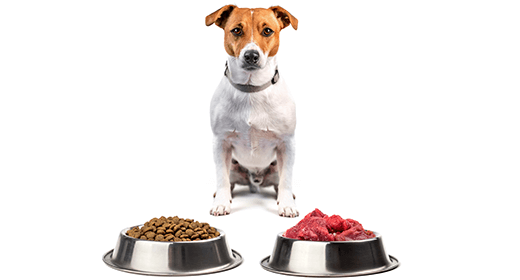
One common supplement is feeding additional meat. However, because meat contains 20 to 40 times more phosphorus than calcium, adding meat to a balanced diet will upset the calcium to phosphorus (or Ca:P) ratio, which is important for proper bone development and maintenance. This may prompt the animal's body to absorb calcium from the bones in order to reach the right balance. This is often the case in older animals that experience tooth loss due to the resorption of bone from the lower jaw. Ca:P ratio should range between 1.1 to 1.4 parts of calcium for each 1 part of phosphorus.
Excess amounts of calcium have been associated with several bone diseases affecting growing puppies. Owners of large-breed puppies in particular believe that their puppies require extra calcium for proper development of large bones. Adding yogurt, cottage cheese, or calcium tablets to the pup's diet will only upset the body's delicate mineral balance. Remember that large-breed puppies will consume more food and receive the calcium their bodies need by eating the recommended portions. The best way to support a normal growth rate is to feed growing dogs adequate—but not excessive—amounts of a balanced diet, using a portion-controlled regimen.
The Association of American Feed Control Officials (AAFCO) regulates the pet food industry and has established certain nutritional requirements for dogs and cats. These requirements are published annually in the AAFCO Manual. Only pet foods that have met the strict testing criteria established by AAFCO can carry the 'complete and balanced' statement on the label.