Enter a keyword below to search for articles and products.


Is your dog really a finicky eater, or could it be something else? There are many factors to consider when you notice that your dog doesn't seem to be eating as usual.
If you're suspicious, take a closer look at exactly what he's eating each day. Does he get the occasional dog treat, or is someone sneaking him extra table scraps
When you feed your dog a balanced, highly nutritious diet, nothing else is needed. In fact, extra treats can drastically alter your dog's normal intake of dog food. It's similar to the feeling you get after eating too much candy or potato chips. Are you interested in a full meal? Neither is your dog.
IAMS™ dog foods are nutritionally balanced and specifically formulated to meet the needs of dogs in all life stages, and with different lifestyles. There are dry, canned, and pouch varieties, plus options for senior or overweight pets, puppies, and dogs with reduced activity levels. Talk to your veterinarian or an IAMS Pet Care and Nutrition Center professional for advice on what's best for your dog.
Recommended feeding amounts are shown on every package. The guidelines are general suggestions for the amount of food you should feed your dog. Every dog is different and does not need the same amount of food. Your dog's activity level and his metabolic makeup are the determining factors. Start with the amount given in the feeding guidelines. Then, add or subtract food as you observe your dog's eating habits and weight.
Portion-Controlled Feeding: Divide the daily amount and feed at specific intervals. It is important to take away all leftover food after 15 to 20 minutes. This sets a pattern for your dog to follow. The portion-controlled feeding method is recommended for giant and large breeds as well as for overweight dogs. Portion control also works well for dogs with special needs.
Free-Choice Feeding: Feed the daily amount and let your dog eat at leisure. This method is recommended for use only with dry foods. Remember, dogs eat to meet their energy requirements. They quickly define their own daily portions when eating free-choice.
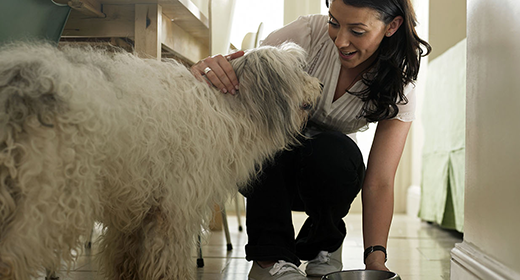
Water: Regardless of which food you choose to feed, your dog must have plenty of fresh, clean water. A good dog feeding tip is to place the water 3 to 5 feet from the food. This will help prevent your dog from gulping water and air in addition to food.
Routine: Dogs need it. Feeding at the same time and place every day establishes a comfortable eating pattern.
The Veterinarian: Regular visits help keep your dog happy and healthy!


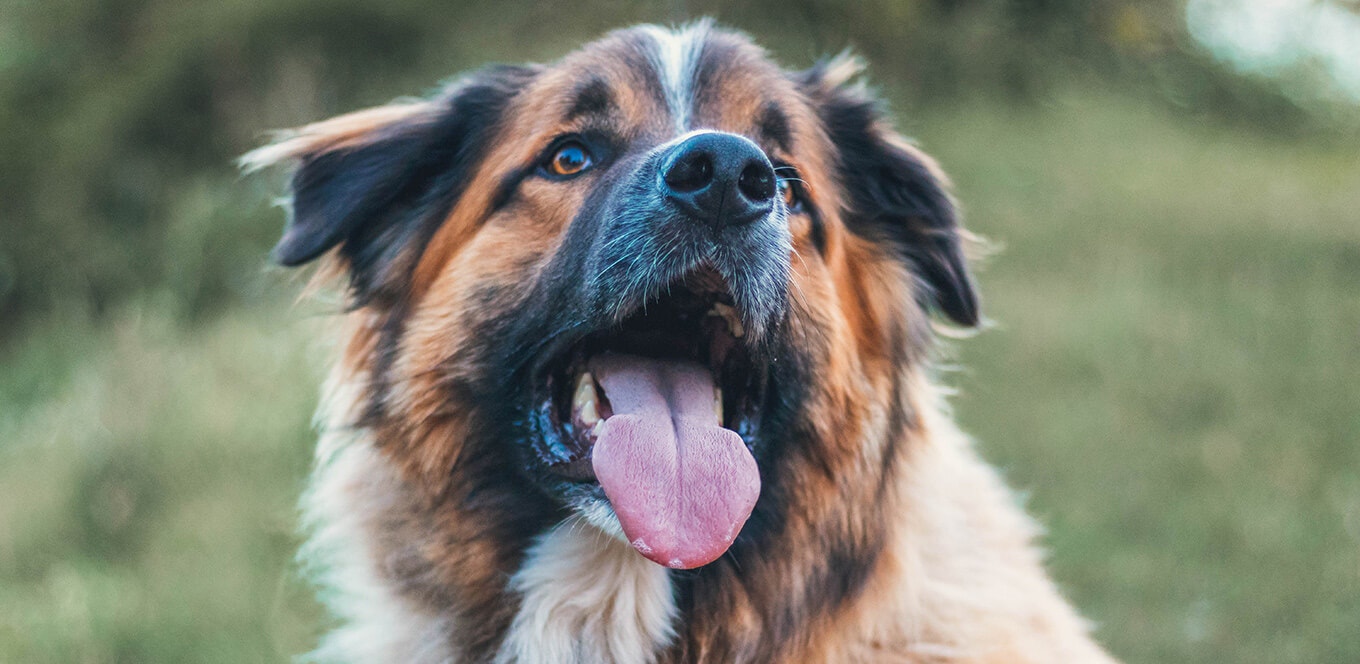
Healthy joints and proper weight are especially important for dogs that grow to be more than 50 pounds. But not all large- and giant-breed adult dogs have the same nutritional needs. Is your dog getting proper exercise? Is she about to have puppies? Special conditions can dramatically affect your dog’s nutritional demands. Giving her a food specially formulated for her large size, life stage and activity level is the easiest way to make sure she’s getting the nutrients she needs.
To address the special needs of your large- or giant-breed dog, look for these features:
These components are key to good nutrition. Look for them in treats, wet dog food, or dry dog food, such as IAMS™ ProActive Health™ Adult Large Breed.
Joint health is a big concern for owners of large- and giant-breed dogs. A large- or giant-breed formula that contains high-quality protein can help nourish healthy joints. Vitamins and minerals help promote the production of cartilage. Also, keeping your dog at a healthy weight will help minimize joint stress.
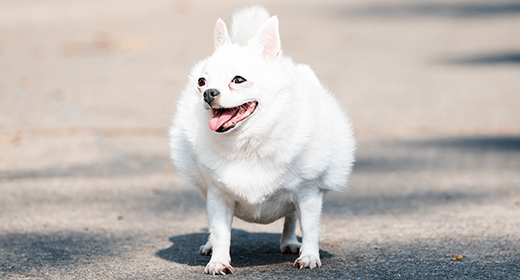
Dogs with lower activity levels and dogs that have been neutered or spayed are all prone to weight gain. Controlling your dog’s weight is an important step toward protecting against the health effects of excess weight, such as diabetes or joint health problems. If you use a weight-management food, look for these characteristics:
Pregnant dogs have substantial nutrition requirements. Starting in the seventh week of her pregnancy, a mother dog will need to increase her energy intake up to 50% by the time she gives birth and increase it even more when she starts nursing her puppies. Because she may lose her appetite at times, it's important that she eats a nutrient-dense food. A complete, balanced puppy formula can give her the extra nutrients she needs. But avoid puppy food created for large and giant breeds; these formulas contain specially adjusted levels of energy and minerals that may not be sufficient for a pregnant or nursing dog.
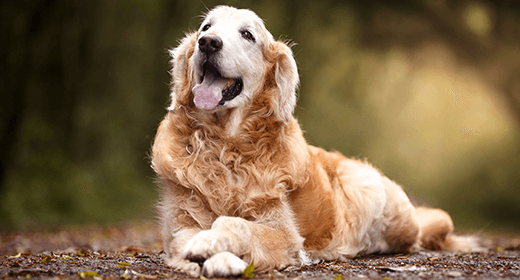
Dogs who grow to be more than 50 pounds are considered mature or senior at age 5 or 6, which is earlier than small-breed dogs. So, it’s critical to make a proactive transition to a specially formulated mature diet, such as IAMS™ ProActive Health™ Mature Adult Large Breed, to help keep your dog healthy and active as she ages.