Enter a keyword below to search for articles and products.
Here's what you need to know about your dog’s health as he matures from 1 to 8 years:
Your dog is growing up. Louise Murray, DVM, director of the ASPCA's Bergh Memorial Animal Hospital in New York City and author of Vet Confidential (Ballantine, 2008), gives advice on how to keep your dog in tip-top shape.
Adult Dog Health: Preventive Health. Even if your dog appears fit, see your veterinarian once a year for a checkup. 'Most health problems are more readily and less expensively addressed if you catch them early,' Murray says. What's more, your vet can detect problems that you might miss. You can also stay up to date on vaccination boosters.
Adult Dog Health: Flea, Tick, and Heartworm Medicines. Continue to use preventive medicines. Talk to your veterinarian if you've moved or if your lifestyle has changed to make sure you are using the products best suited for your dog.
Adult Dog Health: Diet. Your pet needs the right food for optimal health. Check with your vet about adjusting the type and amount of food that your dog eats.
Adult Dog Health: Dental Health. If you haven't done so already, get in the habit of cleaning your dog's teeth daily. 'Animals who get gingivitis or inflammation of the gums can end up with problems of the kidneys and the heart,' Murray explains. Get your dog accustomed to having your fingers and hands around her mouth. At the pet store, you'll find dog toothbrushes and finger brushes as well as dog toothpaste.
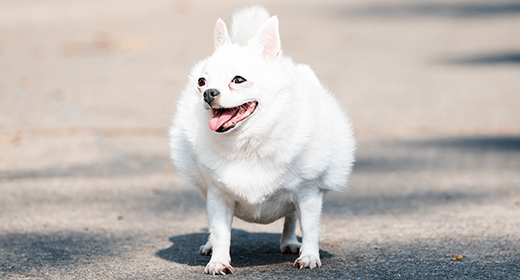
Adult Dog Health: Weight Gain/Loss. When your dog steps on the scale at her annual visit, weight gain (rather than loss) is more likely to be the problem. Meals usually are not the culprit. It's the things, such as biscuits and human food, she gets in between. 'It all adds up,' Murray says. As your pet gets older, she becomes less active, which can contribute to weight gain and a host of other problems (diabetes, arthritis, and breathing trouble, for instance). But there's another reason to keep an eye on the scale: Weight loss might signal an underlying health problem.
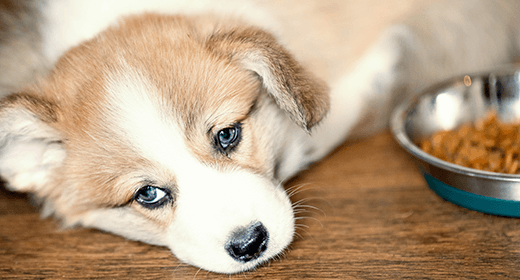
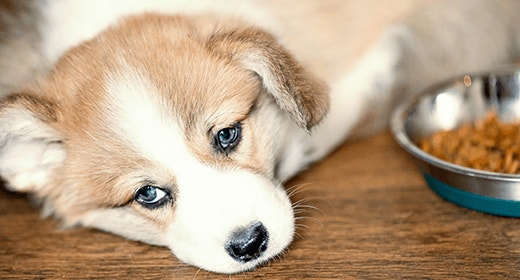
Is your dog really a finicky eater, or could it be something else? There are many factors to consider when you notice that your dog doesn't seem to be eating as usual.
If you're suspicious, take a closer look at exactly what he's eating each day. Does he get the occasional dog treat, or is someone sneaking him extra table scraps?
When you feed your dog a balanced, highly nutritious diet, nothing else is needed. In fact, extra treats can drastically alter your dog's normal intake of dog food. It's similar to the feeling you get after eating too much candy or potato chips. Are you interested in a full meal? Neither is your dog.
IAMS™ dog foods are nutritionally balanced and specifically formulated to meet the needs of dogs in all life stages, and with different lifestyles. There are dry, canned, and pouch varieties, plus options for senior or overweight pets, puppies, and dogs with reduced activity levels. Talk to your veterinarian or an IAMS Pet Care and Nutrition Center professional for advice on what's best for your dog.
Recommended feeding amounts are shown on every package. The guidelines are general suggestions for the amount of food you should feed your dog. Every dog is different and does not need the same amount of food. Your dog's activity level and his metabolic makeup are the determining factors. Start with the amount given in the feeding guidelines. Then, add or subtract food as you observe your dog's eating habits and weight.
Portion-Controlled Feeding: Divide the daily amount and feed at specific intervals. It is important to take away all leftover food after 15 to 20 minutes. This sets a pattern for your dog to follow. The portion-controlled feeding method is recommended for giant and large breeds as well as for overweight dogs. Portion control also works well for dogs with special needs.
Free-Choice Feeding: Feed the daily amount and let your dog eat at leisure. This method is recommended for use only with dry foods. Remember, dogs eat to meet their energy requirements. They quickly define their own daily portions when eating free-choice.
Water: Regardless of which food you choose to feed, your dog must have plenty of fresh, clean water. A good dog feeding tip is to place the water 3 to 5 feet from the food. This will help prevent your dog from gulping water and air in addition to food.
Routine: Dogs need it. Feeding at the same time and place every day establishes a comfortable eating pattern.
The Veterinarian: Regular visits help keep your dog happy and healthy!