Enter a keyword below to search for articles and products.
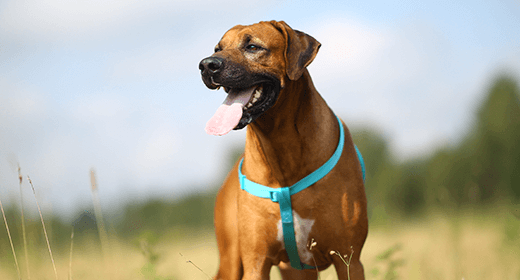
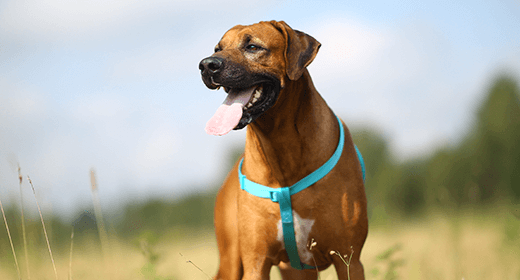
Physiological condition, rather than chronological age, determines whether a dog is mature. Aging begins when the body's systems start to slow down, when cells deteriorate faster than the body can repair them. Though large breeds tend to age faster than smaller breeds, the mature years generally begin at around 7 years (5 years for large breeds). If you feed your dog a diet designed to address the nutritional needs of his age, you can best maintain his overall health and well-being.
As your dog ages, it is important to detect and address with his veterinarian the telltale signs of aging or disease: a dull, dry coat and flaky skin, joint stiffness, energy loss, weight gain, increased water intake, digestive problems, and frequent constipation. These signs, among others, may be caused either by normal wear-and-tear or perhaps by the onset of disease. In any case, detecting and addressing them early may give your dog a greater chance to stay active and healthy.
When and how your dog responds to the aging process has a lot to do with genetics and environment, but nutrition plays an equally important role. The quality of food and its ability to maintain and nourish your dog's cells can help promote a long, healthy life.
As your dog ages and his systems become less efficient, he relies increasingly on the food you provide to make up for his body's shortfalls. According to Michael Hayek, PhD, an IAMS research nutritionist who specializes in geriatric nutrition, 'Aging dogs need the same nutrients as younger dogs; however, the quantity or the way the nutrients are provided may change.'
Chicken, a complete protein source, is a key ingredient in IAMS™ dog foods, including IAMS™ ProActive Health™ Adult MiniChunks. As an animal-based protein, chicken can help maintain your dog’s muscle structure and naturally provides all the amino acids essential to carnivorous animals such as dogs. Plus, chicken adds great flavor.
Learn more about chicken’s role in your dog’s complete, well-balanced diet.
Common chicken ingredients in dog food include chicken, chicken meal, chicken byproduct meal and chicken fat:
Another common chicken-based ingredient is natural chicken flavor, also called chicken digest. Natural chicken flavor adds palatability and nutrients. It is high-quality protein and fat material that has been reduced to amino and fatty acids to improve flavor through an enzymatic process.
Internal organs are rich sources of protein, fats and minerals, such as iron, that are essential to dog health and add to the palatability of the pet food. Including some ground bone provides a good source of minerals, such as calcium. Some pet-food manufacturers formulate their products without such ingredients to appeal to dog owners, rather than to help dogs achieve optimal health. However, the nutritional needs of dogs are not the same as the nutritional needs of humans.
Dried chicken-protein sources in our chicken-based dog foods undergo an extra refining process. Refined chicken meal and chicken byproduct meal are excellent and complete sources of protein because they naturally contain each of the amino acids that are essential to dogs.