Enter a keyword below to search for articles and products.
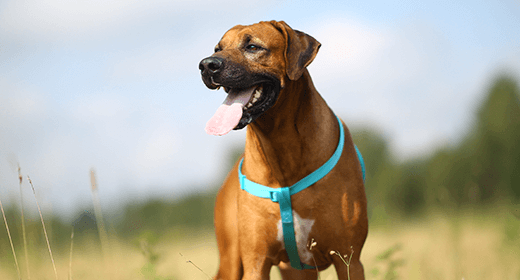
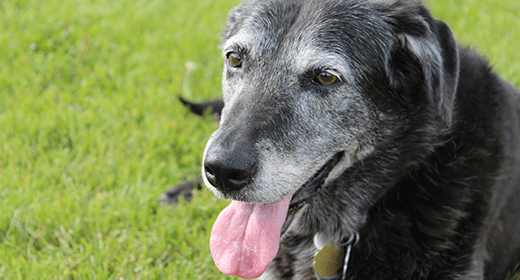
Physiological condition, rather than chronological age, determines whether a dog is mature. Aging begins when the body's systems start to slow down, when cells deteriorate faster than the body can repair them. Though large breeds tend to age faster than smaller breeds, the mature years generally begin at around 7 years (5 years for large breeds). If you feed your dog a diet designed to address the nutritional needs of his age, you can best maintain his overall health and well-being.
As your dog ages, it is important to detect and address with his veterinarian the telltale signs of aging or disease: a dull, dry coat and flaky skin, joint stiffness, energy loss, weight gain, increased water intake, digestive problems, and frequent constipation. These signs, among others, may be caused either by normal wear-and-tear or perhaps by the onset of disease. In any case, detecting and addressing them early may give your dog a greater chance to stay active and healthy.
When and how your dog responds to the aging process has a lot to do with genetics and environment, but nutrition plays an equally important role. The quality of food and its ability to maintain and nourish your dog's cells can help promote a long, healthy life.
As your dog ages and his systems become less efficient, he relies increasingly on the food you provide to make up for his body's shortfalls. According to Michael Hayek, PhD, an IAMS research nutritionist who specializes in geriatric nutrition, 'Aging dogs need the same nutrients as younger dogs; however, the quantity or the way the nutrients are provided may change.'
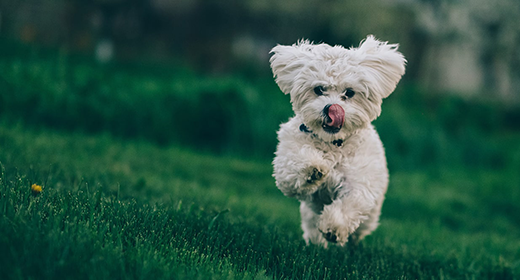

Providing your dog with a balanced diet of nutritious dog food will ensure they get adequate amounts of protein, fat and fiber. All three are essential to your dog’s health and happiness — and all three can be found in every IAMS™ product we produce. Learn more about how these three vital elements can support your dog’s whole-body health.
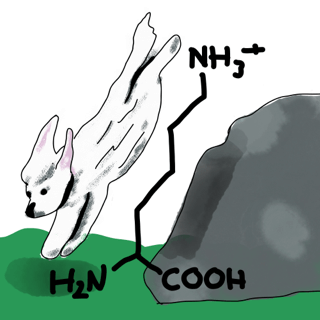
Protein Protein helps keep your dog’s muscles strong.
Protein helps keep your dog’s muscles strong. It also provides the amino acids necessary to build and repair proteins in their body. Many of these amino acids must be acquired through a dog’s diet.
Recipes contain animal-based proteins that provide the essential amino acids dogs need. Plus, we conduct special refining and quality assurance tests to ensure we only use high-quality, highly digestible protein sources for increased digestibility.
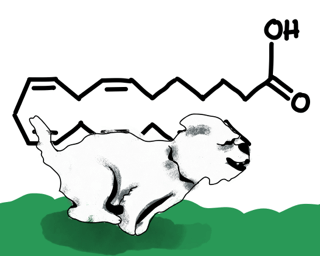
Fat gives your dog energy and helps nourish their skin and coat.
Fat provides energy. Your dog needs two types of fatty acids: omega-6 andomega-3 fatty acids. Omega-6 fatty acids are found in chicken fat and corn.Omega-3 fatty acids are found in ingredients such as canola, fish meal or oil, andflax. Both types help nourish and support your dog’s skin and coat.
Fiber and prebiotics help support your dog’s digestion.
IAMS™ dog food recipes feature a tailored blend of natural fiber from ingredients like beet pulp, as well as prebiotics to help support your dog’s digestion. Research has shown that moderately fermentable fiber, such as beet pulp, enhances intestinal health.
Feeding your dog a balanced diet that contains the right amounts of protein, fats and fiber is one of the most important ways you can care for and nourish them. To see the di!erence a healthy diet can make in your dog, feed them an IAMS recipe that’s tailored to their unique dietary needs, such as their size, age and breed. Are you ready to See the Wow?