Enter a keyword below to search for articles and products.
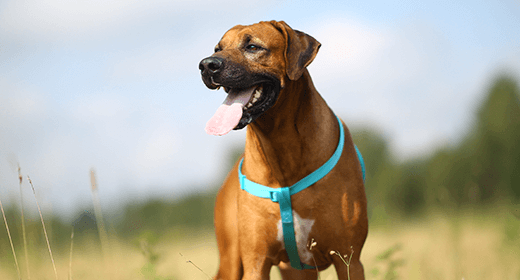
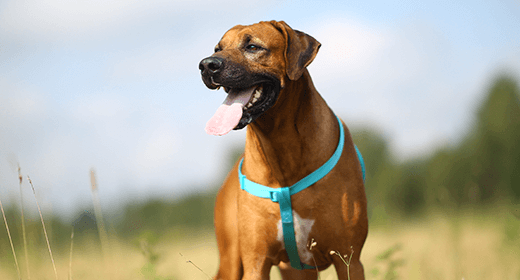
Physiological condition, rather than chronological age, determines whether a dog is mature. Aging begins when the body's systems start to slow down, when cells deteriorate faster than the body can repair them. Though large breeds tend to age faster than smaller breeds, the mature years generally begin at around 7 years (5 years for large breeds). If you feed your dog a diet designed to address the nutritional needs of his age, you can best maintain his overall health and well-being.
As your dog ages, it is important to detect and address with his veterinarian the telltale signs of aging or disease: a dull, dry coat and flaky skin, joint stiffness, energy loss, weight gain, increased water intake, digestive problems, and frequent constipation. These signs, among others, may be caused either by normal wear-and-tear or perhaps by the onset of disease. In any case, detecting and addressing them early may give your dog a greater chance to stay active and healthy.
When and how your dog responds to the aging process has a lot to do with genetics and environment, but nutrition plays an equally important role. The quality of food and its ability to maintain and nourish your dog's cells can help promote a long, healthy life.
As your dog ages and his systems become less efficient, he relies increasingly on the food you provide to make up for his body's shortfalls. According to Michael Hayek, PhD, an IAMS research nutritionist who specializes in geriatric nutrition, 'Aging dogs need the same nutrients as younger dogs; however, the quantity or the way the nutrients are provided may change.'
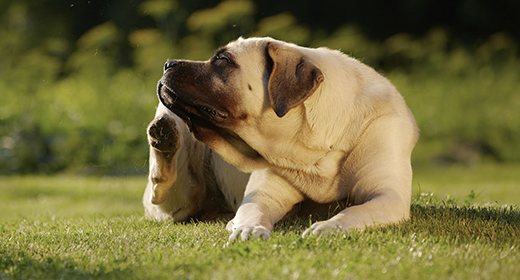
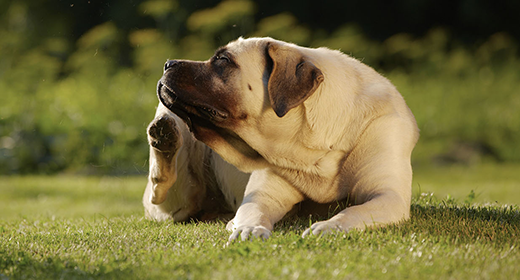
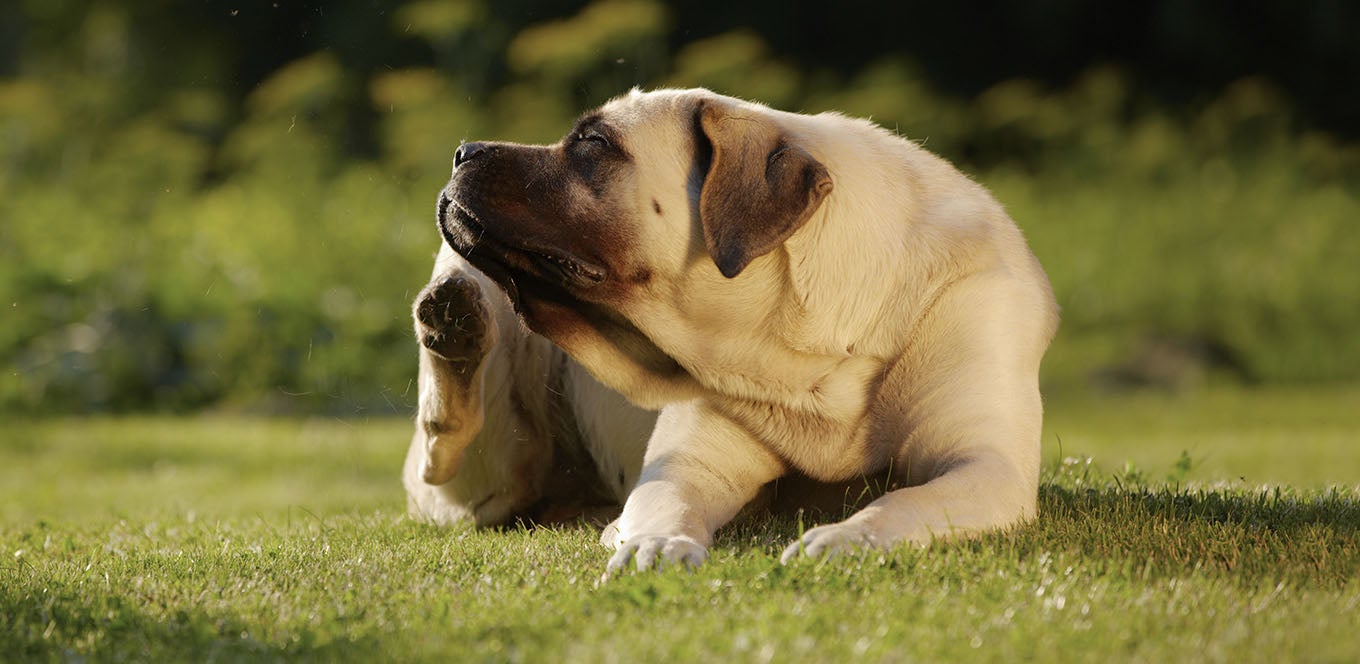
The human animal isn’t the only one affected by allergies. Like you, your adult dog can suffer from allergic reactions to any number of things—in the air, on his skin, and in his food. Allergies must be diagnosed and treated by your veterinarian, but first, you must know what to look for.
The most common signs and symptoms of allergies include:
The most common allergy symptoms in dogs are the skin reactions, regardless of the cause. And they can they can crop up at any age. Just because he didn’t have allergies as a puppy, doesn’t mean your dog won’t have them now that he’s an adult. Inhalant, food, contact, and flea allergies are four of the most common types of allergies that might affect your dog.
Inhalant allergies in dogs are caused by the same common allergens that affect you—dust, grass, trees, mold, pollen, ragweed, etc. They can be seasonal or persistent and, while some breeds (especially short-snouted breeds) might experience the same sniffly, sneezy symptoms you might suffer, skin reactions are most common. Inhalant allergies often can be treated with the same medications you take, but please don’t treat your dog’s allergies without veterinary supervision.
Food allergies can be the most difficult to diagnose and manage. Treatment involves a hit-and-miss approach involving a restricted diet and the gradual reintroduction of possible allergens to determine the culprit. Skin reactions to food allergies are common in dogs, but frequent vomiting or diarrhea also can be a sign. Keep in mind that if there is a change in your dog’s diet (or he just ate something he wasn’t supposed to), he might experience an episode of vomiting or diarrhea, but this doesn’t necessarily mean your dog has an allergy. Watch and see if it becomes a persistent problem before scheduling a costly trip to the vet.
Contact and flea allergies generally cause skin irritation and are treated topically. You might be surprised to learn that most dogs are only vaguely bothered by fleas. But those that are allergic can suffer—and so can their owners. Dogs with contact and flea allergies often chew their skin raw, leading to hair loss, odor, and infection, so fastidious flea control is a must.
Allergies can vary from dog to dog, so it is important that you work with your vet to make sure your dog gets the best possible treatment. You’ll both be happier for it.