Enter a keyword below to search for articles and products.
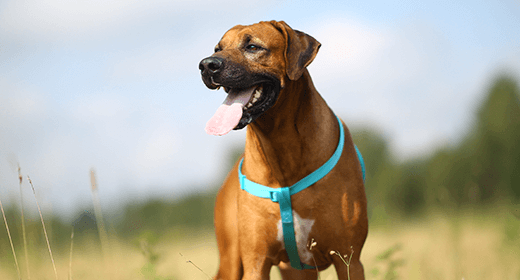
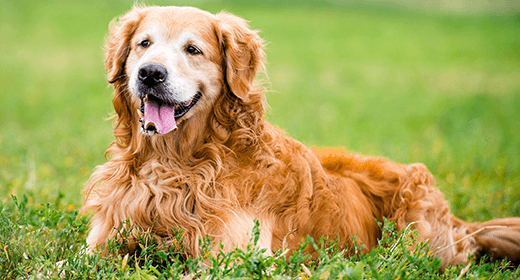
Physiological condition, rather than chronological age, determines whether a dog is mature. Aging begins when the body's systems start to slow down, when cells deteriorate faster than the body can repair them. Though large breeds tend to age faster than smaller breeds, the mature years generally begin at around 7 years (5 years for large breeds). If you feed your dog a diet designed to address the nutritional needs of his age, you can best maintain his overall health and well-being.
As your dog ages, it is important to detect and address with his veterinarian the telltale signs of aging or disease: a dull, dry coat and flaky skin, joint stiffness, energy loss, weight gain, increased water intake, digestive problems, and frequent constipation. These signs, among others, may be caused either by normal wear-and-tear or perhaps by the onset of disease. In any case, detecting and addressing them early may give your dog a greater chance to stay active and healthy.
When and how your dog responds to the aging process has a lot to do with genetics and environment, but nutrition plays an equally important role. The quality of food and its ability to maintain and nourish your dog's cells can help promote a long, healthy life.
As your dog ages and his systems become less efficient, he relies increasingly on the food you provide to make up for his body's shortfalls. According to Michael Hayek, PhD, an IAMS research nutritionist who specializes in geriatric nutrition, 'Aging dogs need the same nutrients as younger dogs; however, the quantity or the way the nutrients are provided may change.'
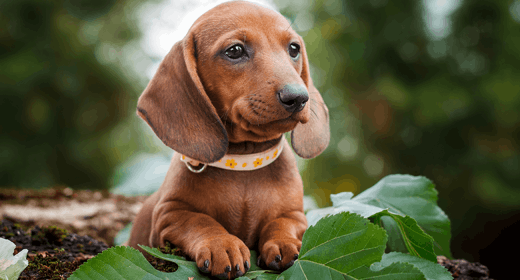
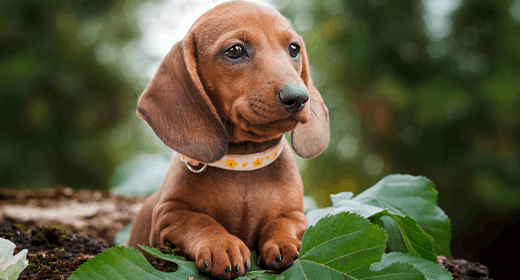
Small-breed dogs tend to have higher metabolism rates than their larger counterparts, which means they need a puppy feeding diet specifically designed for them. 'Small-breed dog food formulas are created to give your dog the right balance of nutrients,' says Debra Eldredge, DVM, a veterinarian in upstate New York and coauthor of The Dog Owner's Home Veterinary Handbook (Howell House). Here's what you need to know to feed your small-breed pooch.
The guidelines on the package are a great starting point, Eldredge says, but 'you have to customize [them] for your dog.' For instance, her family has three dogs who all weigh almost the same. But, one is getting twice as much food as the other two, and she's thin. 'She just burns it up,' Eldredge says. Your dog's breed and activity levels will affect how much food she needs.
Small-breed puppies, especially toy breeds, can be prone to hypoglycemia. To keep your dog’s blood sugar levels up, you might have to feed her more frequently and up the calories, Eldredge says.
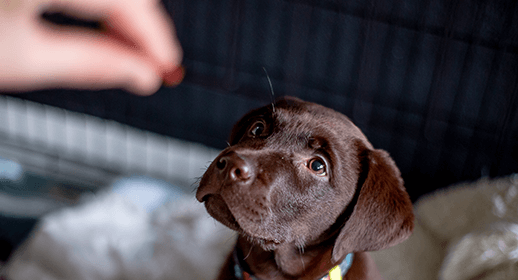
Small-breed puppies grow quickly, so during the first six months, they need to eat more food and eat more frequently, generally three to four times a day. After six months, feeding two meals a day is usually sufficient. As your dog gets older and less active, her nutritional needs change, and she may need a formula for mature dogs. Her new food will generally have more protein and fewer calories.
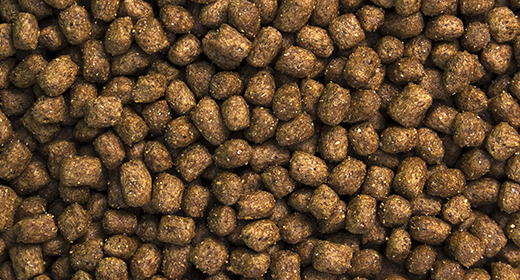
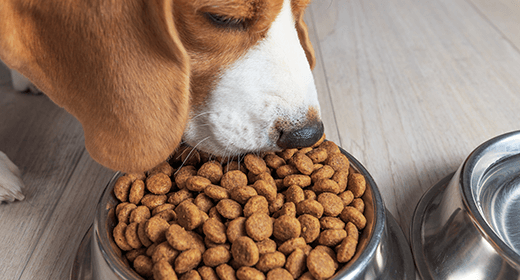
Smaller dogs have smaller mouths and teeth, so their food is usually made in a smaller bite size, which is easier for them to chew and swallow.
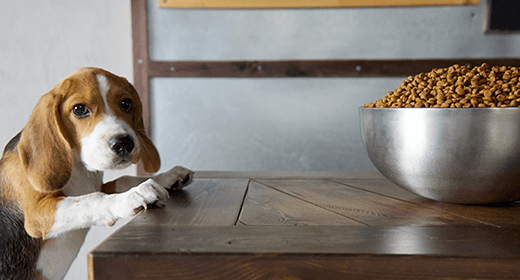
Don't leave your dog's food out all day. Instead, pick it up after 10 or 20 minutes, Eldredge says. If food is available all day, she may eat out of boredom.
With dog food, your pet is on a balanced diet. Feeding her human food may throw off that balance. The occasional taste of chicken or eggs is okay, but don't make it a daily habit.