Enter a keyword below to search for articles and products.
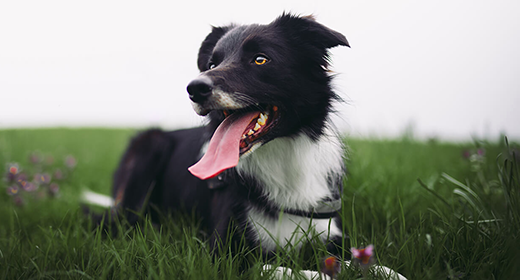
Chicken, a complete protein source, is a key ingredient in IAMS™ dog foods, including IAMS™ ProActive Health™ Adult MiniChunks. As an animal-based protein, chicken can help maintain your dog’s muscle structure and naturally provides all the amino acids essential to carnivorous animals such as dogs. Plus, chicken adds great flavor.
Learn more about chicken’s role in your dog’s complete, well-balanced diet.
Common chicken ingredients in dog food include chicken, chicken meal, chicken byproduct meal and chicken fat:
Another common chicken-based ingredient is natural chicken flavor, also called chicken digest. Natural chicken flavor adds palatability and nutrients. It is high-quality protein and fat material that has been reduced to amino and fatty acids to improve flavor through an enzymatic process.
Internal organs are rich sources of protein, fats and minerals, such as iron, that are essential to dog health and add to the palatability of the pet food. Including some ground bone provides a good source of minerals, such as calcium. Some pet-food manufacturers formulate their products without such ingredients to appeal to dog owners, rather than to help dogs achieve optimal health. However, the nutritional needs of dogs are not the same as the nutritional needs of humans.
Dried chicken-protein sources in our chicken-based dog foods undergo an extra refining process. Refined chicken meal and chicken byproduct meal are excellent and complete sources of protein because they naturally contain each of the amino acids that are essential to dogs.
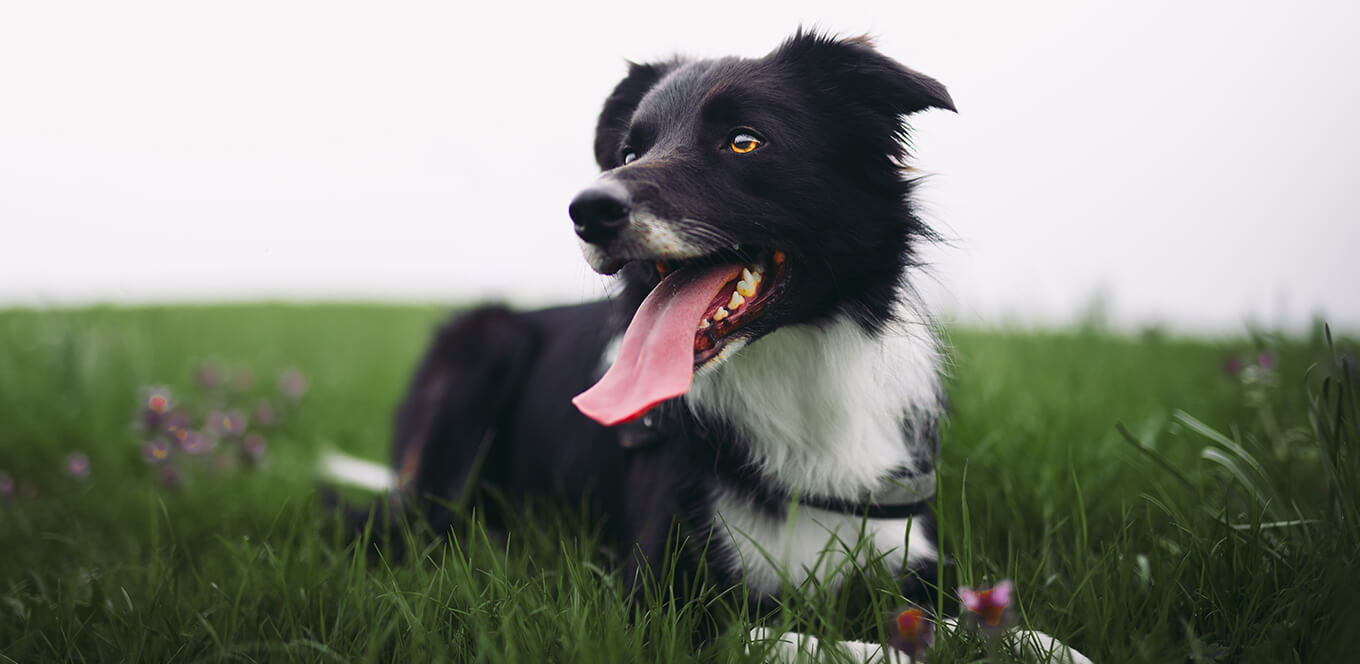
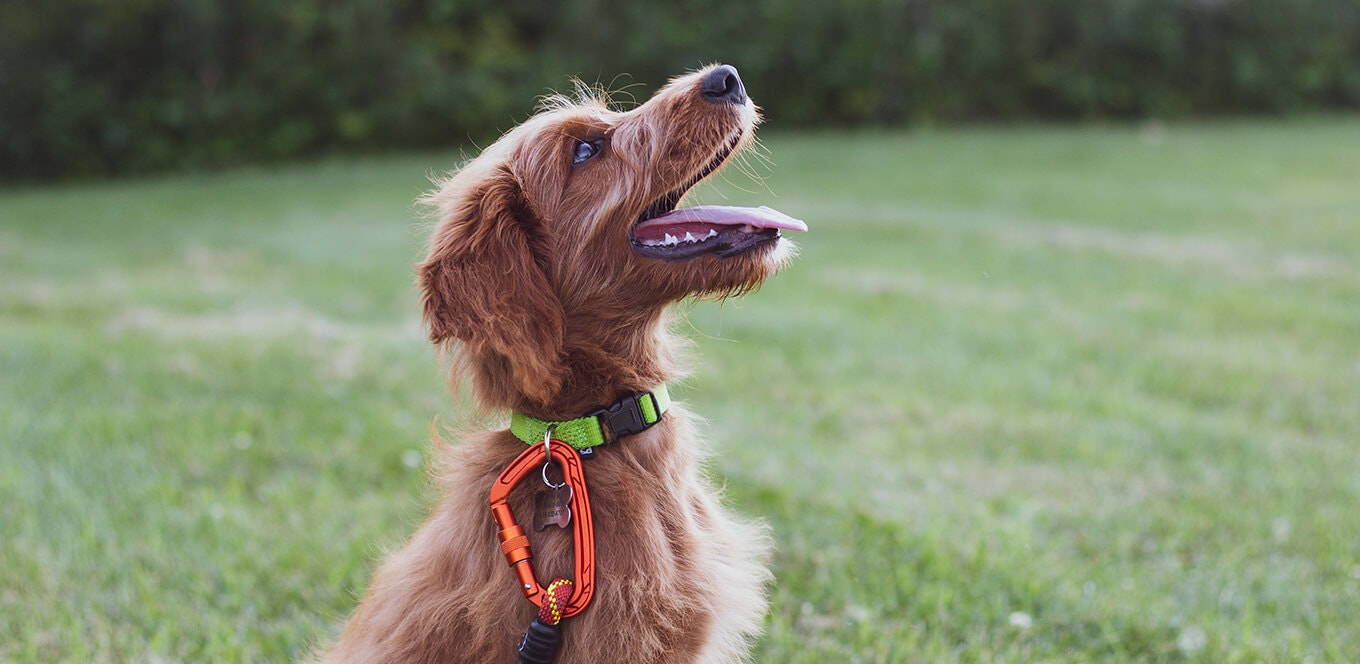
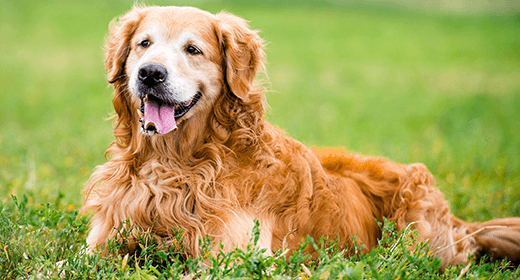
As your dog reaches his mature years, remember these tips:
As Dr. Michael Hayek, an IAMS™ research nutritionist who specializes in geriatric nutrition, points out, there's still much to learn about canine geriatric nutrition. For now, realize that every animal ages at a different rate and in different ways. Monitor your dog and especially watch for changes at around 7 years of age (5 years for large breeds). If necessary, adjust his diet accordingly. With the help of your veterinarian and responsible pet food manufacturers, your mature pal can live to a comfortable, healthy old age.