Enter a keyword below to search for articles and products.
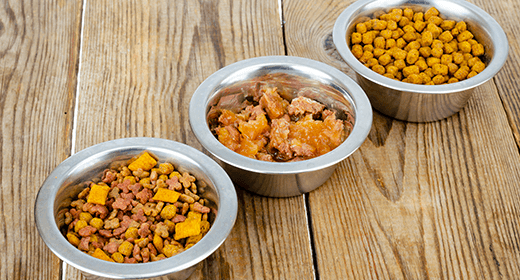
Chicken, a complete protein source, is a key ingredient in IAMS™ dog foods, including IAMS™ ProActive Health™ Adult MiniChunks. As an animal-based protein, chicken can help maintain your dog’s muscle structure and naturally provides all the amino acids essential to carnivorous animals such as dogs. Plus, chicken adds great flavor.
Learn more about chicken’s role in your dog’s complete, well-balanced diet.
Common chicken ingredients in dog food include chicken, chicken meal, chicken byproduct meal and chicken fat:
Another common chicken-based ingredient is natural chicken flavor, also called chicken digest. Natural chicken flavor adds palatability and nutrients. It is high-quality protein and fat material that has been reduced to amino and fatty acids to improve flavor through an enzymatic process.
Internal organs are rich sources of protein, fats and minerals, such as iron, that are essential to dog health and add to the palatability of the pet food. Including some ground bone provides a good source of minerals, such as calcium. Some pet-food manufacturers formulate their products without such ingredients to appeal to dog owners, rather than to help dogs achieve optimal health. However, the nutritional needs of dogs are not the same as the nutritional needs of humans.
Dried chicken-protein sources in our chicken-based dog foods undergo an extra refining process. Refined chicken meal and chicken byproduct meal are excellent and complete sources of protein because they naturally contain each of the amino acids that are essential to dogs.
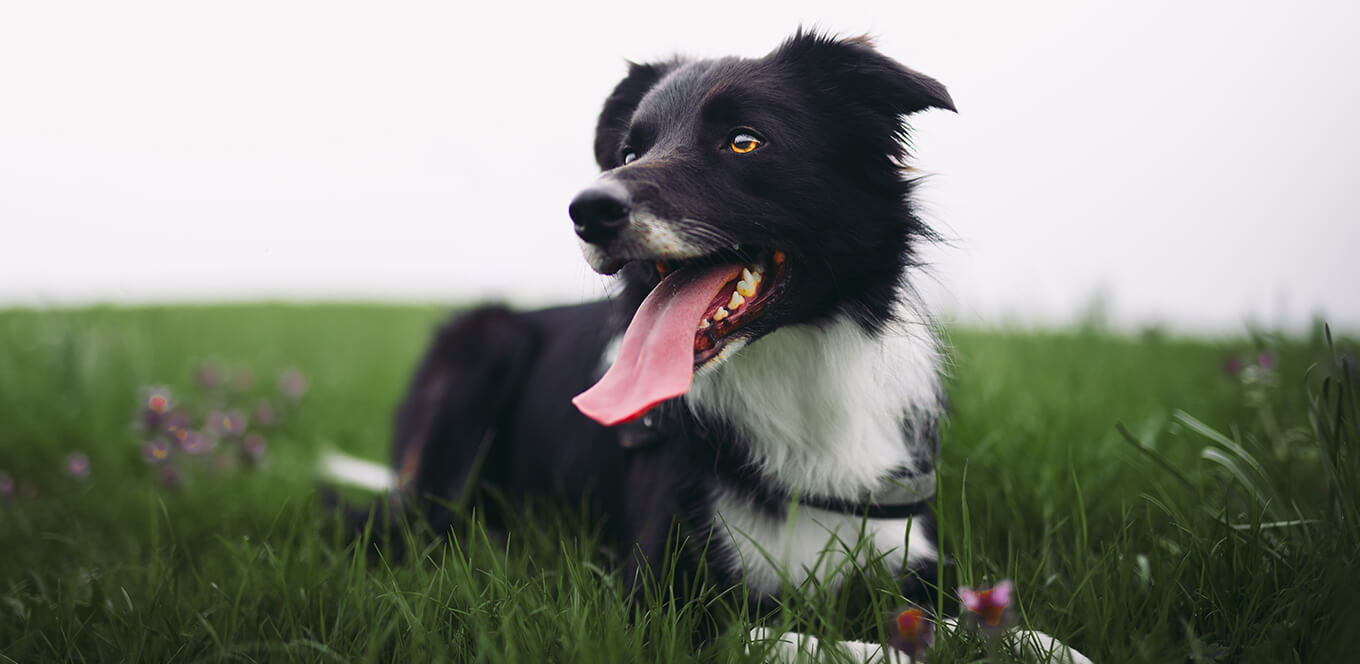
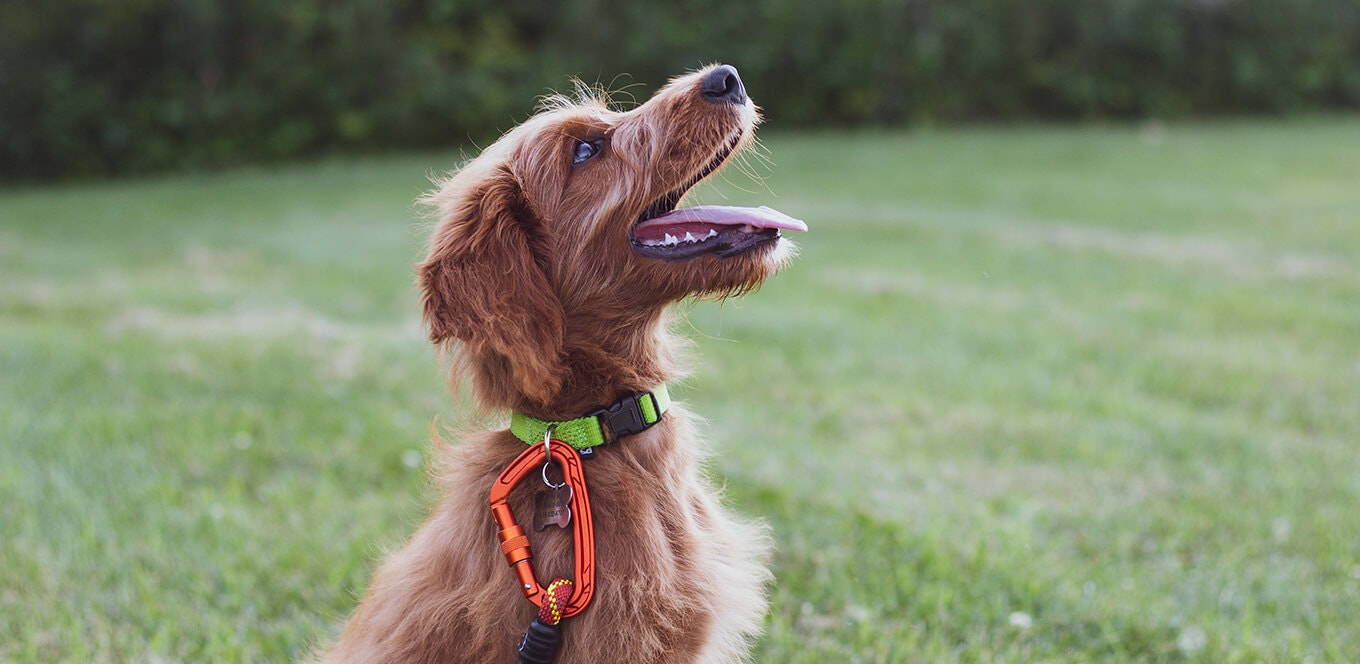


Dogs use a range of sounds to communicate with us and each other. Just as important is the body language they use to tell us how they feel or what they need. How well do you know your pooch’s unspoken cues? Read on to find out.
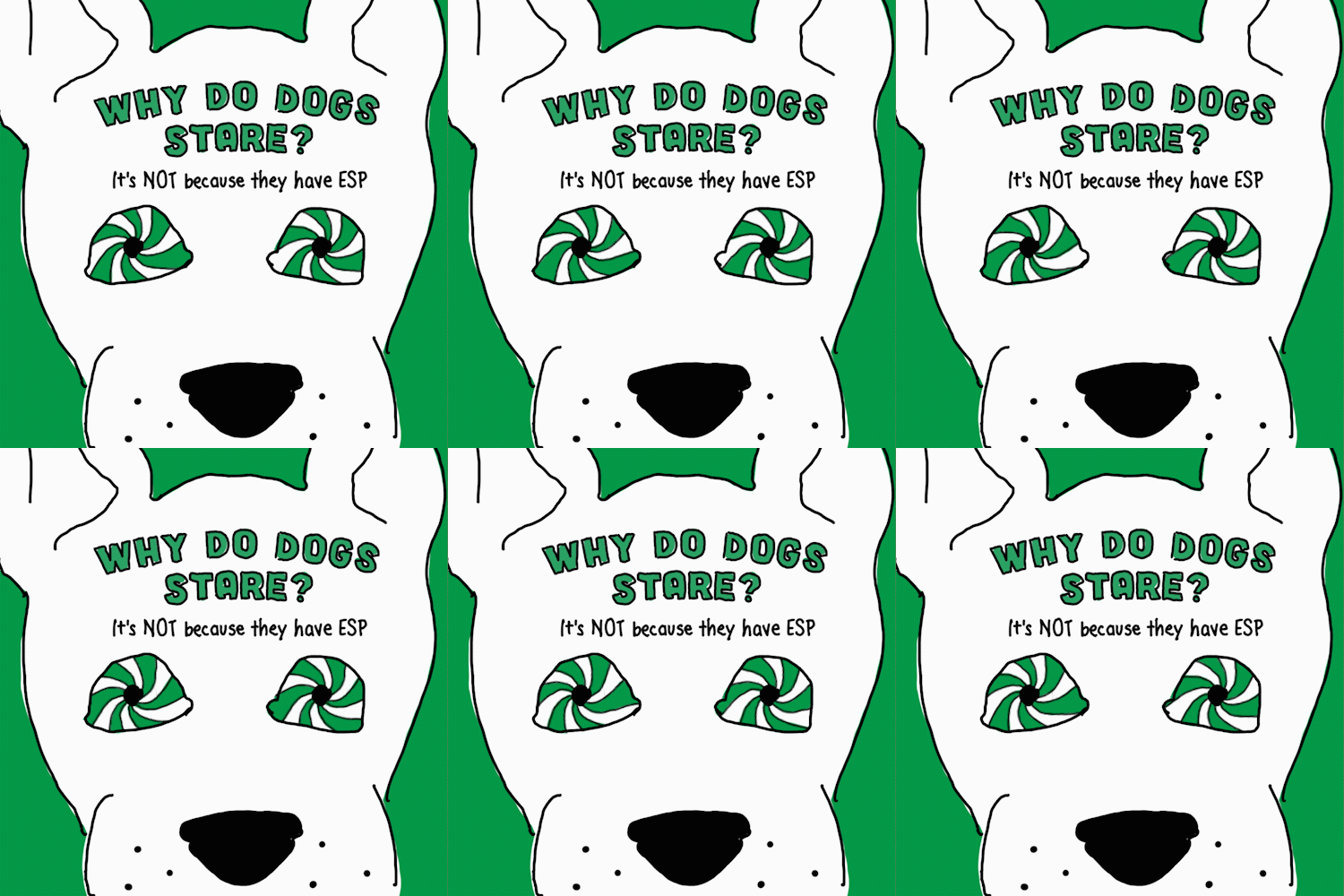
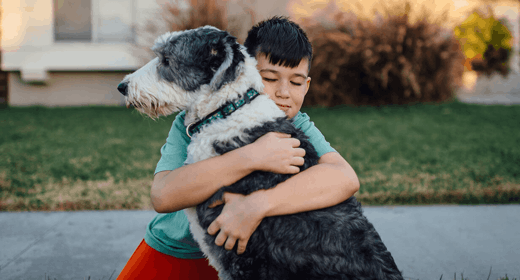
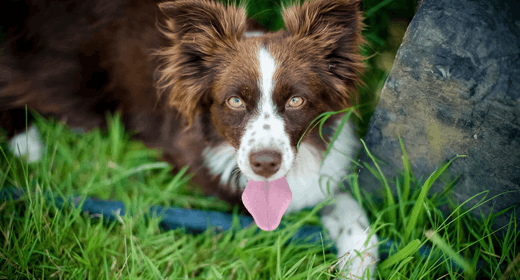
Dogs often stare at their owners because they love them. They want to make sure you’re okay or find clues for what you’ll do next — like making sure you’re not going for a car ride without them.
We love it when dogs do this, too, which has led to this trait being even more prominent.
Opens a new windowDr. James Serpell, BSc, PhD, Professor of Humane Ethics & Animal Welfare at University of Pennsylvania School of Veterinary Medicine, explains: “We've selected dogs for this behavior. Humans love that dogs look up at them in admiration, intense loyalty. One frequent observation researchers have made is that people who handle wild dogs ... they don't look their handlers in the eye like domesticated dogs do.”
Dogs have great hearing. High-frequency sounds that humans can’t hear are especially interesting to them. Head-tilting helps them track down the source. Owners find these head tilts super cute and often reward this behavior, which, of course, makes them do it more.
Dogs yawn when they’re tired, but it’s also a possible sign they’re stressed, impatient or frustrated — like when they’re in the vet’s office, or when you won’t throw that ball you’re holding already!
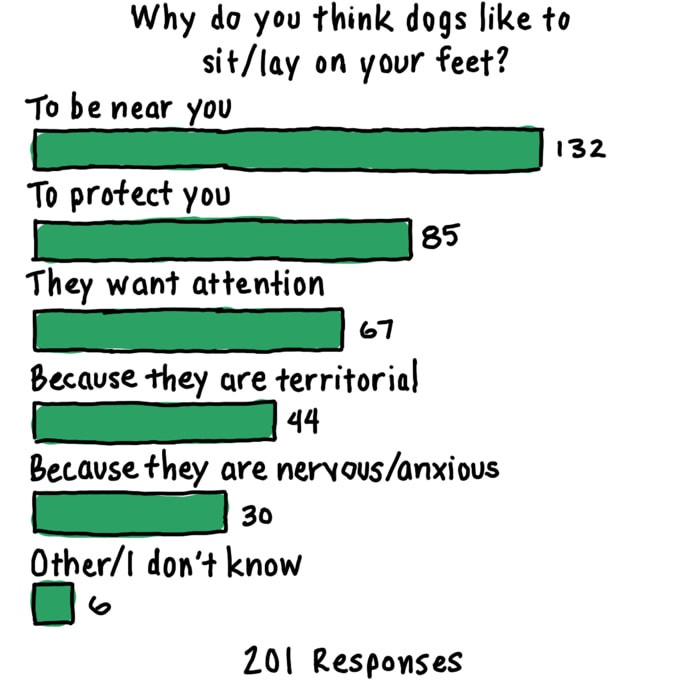
In a recent IAMS poll,* 90% of dog owners said their pet sits or lays on their feet and 100% of dogs said they love their owners. Dogs are very social creatures and this is a way for them to connect and be close to you. Plus, it keeps your feet warm.
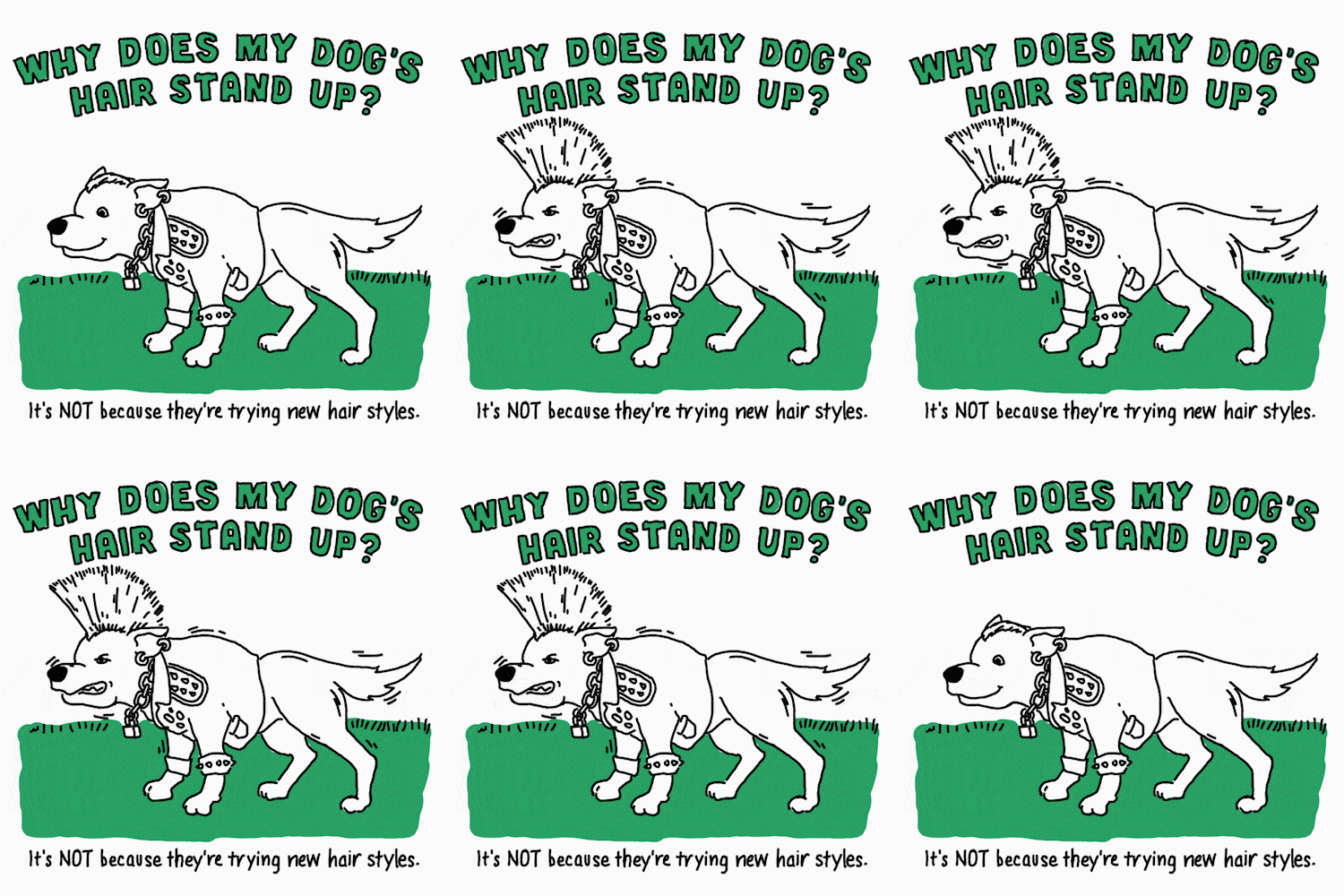
Often called “raised hackles,” dogs do this when they’re nervous, threatened or showing aggression. It’s an adaptation from their wild days of attempting to make themselves look bigger.
Opens a new window Dr. Tammie King, Applied Behavior Technical Leader at Waltham Petcare Science Institute, offered this insight to keep in mind: “What’s important when talking about a dog’s body language is to not take one thing in isolation. You’re at risk of misinterpreting what the dog is trying to say to you. Context is everything.”
So be sure to pay attention to what your dog isn’t saying to keep them healthy and happy. Serving them
Opens a new windowIAMS dog food every day will certainly help.
*Surveyed U.S. dog owners, age 18+
Sample Size: n=201
Fielded May 8 to May 10, 2020