Enter a keyword below to search for articles and products.
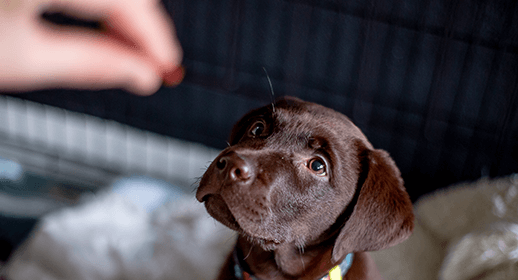
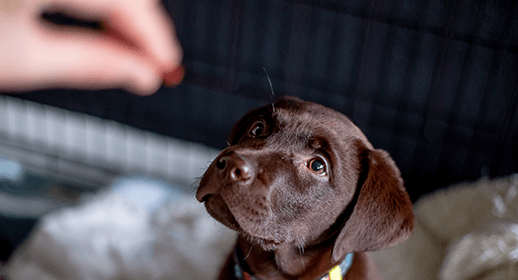
With so many choices, finding a good puppy food can seem outright daunting. Well, it’s about to get a little easier. Watch as Dr. Katy Nelson takes you through the ins and outs of puppy nutrition with information on everything from age appropriate dog food, to the importance of feeding schedules.
Hi, I'm Dr. Katy Nelson with IAMS. Today we're going to talk about dog nutrition, and what you should look for in your puppy's food. Just like infants, puppies require different levels of nutrients than older dogs. Physically, puppies grow fastest during the first six months. The right nutrition is critical to support this rapid growth. That said, your puppy should only receive premium puppy food until he reaches his adult height and weight. That's typically in the first year for small and medium breeds, and can be up to two years for large and giant breeds. One more thing to consider is that a puppy's energy requirements can be nearly twice that of an adult dog. And since their stomachs are smaller, they need more nutritionally dense food formulated just for puppies to help them meet their energy needs. There are three types of food: dry kibble, semi-moist—which comes in sealed packages—and moist or canned. Most veterinarians and trainers recommend dry kibble food, because of its fat content, and the fact that moist food can spoil. Dry kibble also helps with tartar control, which is particularly important for his developing teeth. When you're shopping for food, there are a couple of things you want to look for and keep in mind. Number one, look on the label for a statement that says, 'Formulated to meet the nutritional levels established by the AAFCO dog food Nutrient Profiles for growth.' Number two, read the ingredients list on the back of the package, and look for real meat as the first ingredient. Puppies grow the fastest during the first six months of life, and because growth rates differ among breed sizes, you need to feed a formula designed to address the needs of your puppy's breed and size. Ideally, puppy food should also contain animal based protein for strong muscles. The protein requirement for growing poppies is higher than that for adult dogs. High quality protein is critical for puppies to create new body tissue as they grow. Calcium for strong bones and teeth, iron for healthy blood, DHA for the brain, central nervous system, and vision. DHA is a key ingredient found naturally in mother's milk, and is important for a baby's neural development. Just like a baby, your puppy's ability to learn depends on healthy brain development. Prebiotics for healthy immune system, because 65% of your puppy's immune system is in his digestive tract, and high in calories for all the energy a puppy burns. The nutritional needs for puppies differ for different breeds sizes. Large breed puppies grow more quickly. Because of that, they actually need less calcium, so their bones don't grow too fast. Medium breed dogs need a careful balance of calories and nutrients to be sure that they don't gain excess weight, while small breed puppies need nutrient dense food in small bites, because their metabolism tends to be faster, and they have different energy needs than larger dogs. Another important thing to know is that what is good for humans is not necessarily good for animals. Because proper nutrition is critical for optimal development, and because human food doesn't offer the proper balance of nutrients puppies need, it is important to teach your whole family that feeding your puppy or your dog table scraps is a big no-no, and a major health hazard. Now let's talk about feeding schedules. Just like babies, puppies do best on a regular schedule. Schedules teach them that there are times to eat, times to play, and times to potty. Obviously, the feeding schedule will largely be dictated by your own personal schedule. But no matter what, it is critical that puppies younger than four months be fed multiple times per day. Depending on your puppy's breed size, at around six months, you can start to limit feedings to twice a day. Also, keep in mind that eating is soon followed by the urge to go to the bathroom. If you work away from your house and are unable to feed and walk your puppy as often as needed, think about hiring a dog walker, or ask a neighbor to help you keep your puppy on his schedule. For more information on house training, watch 'How to House Train Your Puppy.' Another important nutritional determinant is how much you're supposed to feed your developing puppy. Even though the back of the puppy food bags usually have suggested portion sizes based on weight, they are not always right for your puppy. So it's best to pay attention to your puppy's body and talk to your veterinarian. Remember, a fat puppy is not necessarily a healthy puppy. Just as childhood obesity can lead to adult health issues in humans, monitoring a puppy's weight is very important to ensure proper development. Treats are another food source to consider when determining portion size. It is important to limit treating to less than 10% of your puppy's daily caloric intake. When selecting treats, hard chew treats are ideal, because they improve dental health through gnawing. Also, try to save treating for training sessions to reward good behavior, but be careful not to overdo it. For more information on training, watch our video 'Puppy training basics.' The last part of puppy nutrition we are going to talk about is water. Puppies need fresh, clean water available at all times. Like us, it is their most important nutrient. You should change your puppy's water often, at least once a day. Providing fresh, clean water greatly reduces the risk of disease, and therefore keeps your pet happy and healthy. I'm Dr. Katy Nelson for IAMS, and I hope that you found this helpful as you welcome your new addition into your family.
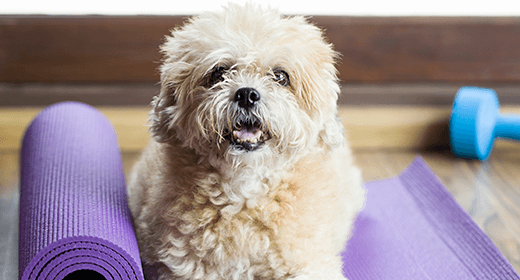
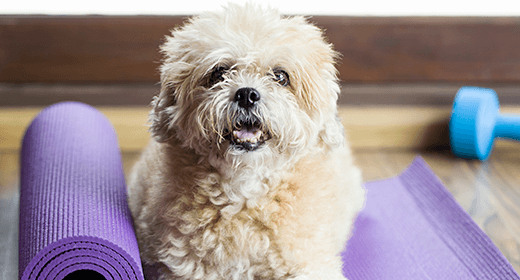
Calling all dog parents! Let’s start with some burning questions: Are you a newbie owner? Is your pooch packing on a few extra pounds? Are they bored? Or treating your loafers like chew toys?
One word: EXERCISE. It’s vital for a healthy, non-problem-child pooch. (And it can be good for your BMI, too!)
Your dog’s breed and age are the two factors that determine how much exercise they need. Check out these tips to be sure your pooch is getting the right amount of physical activity every day.
Your dog’s breed group helps determine their exercise needs.
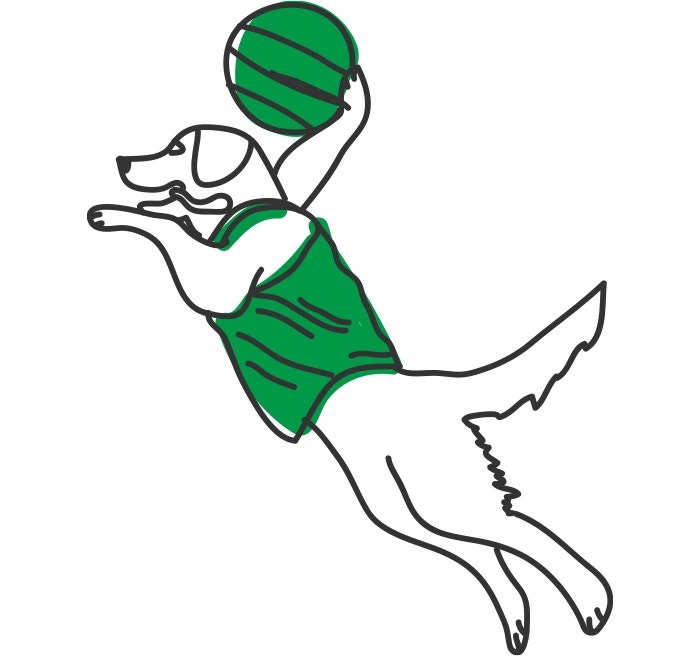
Sporting group dogs are energetic, natural athletes who should get approximately 90 minutes of high-intensity exercise. They enjoy long, brisk walks, hikes in the woods, swimming and playing fetch.
Examples: Retrievers, pointers, setters and spaniels
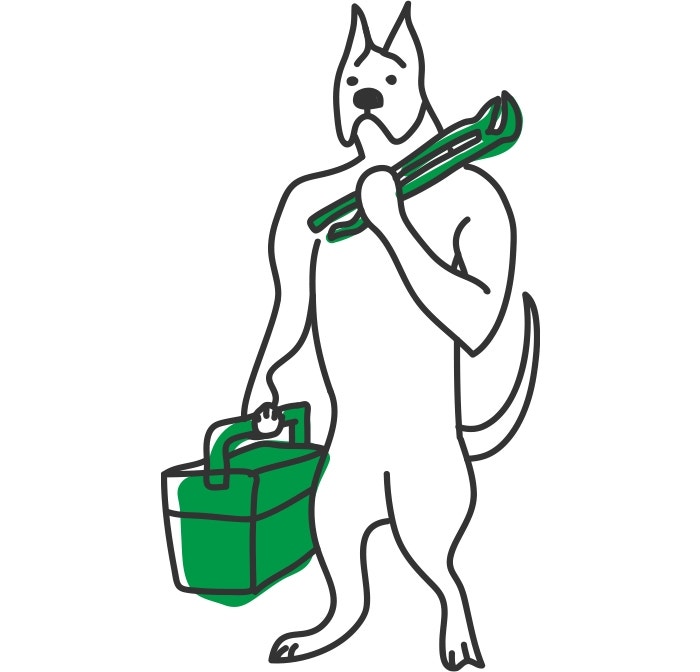
Blue-collar pooches in the working group are happiest when they have a job to do. They need about one to two hours of fun, pant-inducing activity every day. Take them for long walks or hikes, or create a homemade agility course in your backyard.
Examples: Boxers, Alaskan malamutes, Rottweilers and Siberian huskies
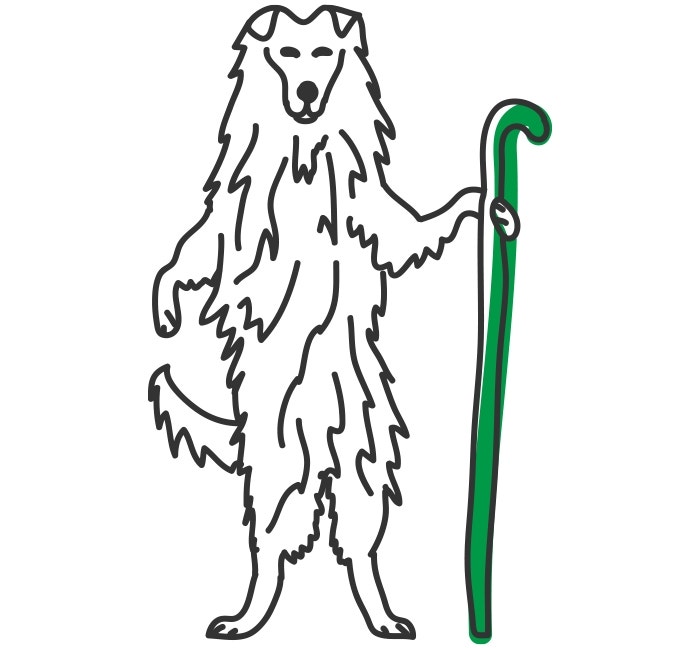
Sixty to 90 minutes of vigorous exercise and play daily? That’s what most high-IQ, high-energy herding group dogs need. You can’t go wrong with activities that challenge them physically and mentally, like long power walks and fun games like fetch, chase and Frisbee.
Examples: Shepherds, collies and sheepdogs
Sight hound dogs need roughly 30 minutes of regular exercise, and scent hound dogs should get about one hour of intense exercise. Take sight hounds on walks or have them do a couple of sprint workouts each week. Scent hounds need longer periods of vigorous activity and love hiking, jogging or playing tracking games in the woods. (Shocking, we know.)
Examples: Afghan hounds, greyhounds, whippets, beagles, bloodhounds and basset hounds
Short-legged terrier group breeds need about 30 minutes of exercise every day, while their longer-legged counterparts need one hour or more. Ideal exercises include fast-paced walks, hikes in the forest and chasing their favorite squeaky ball in the backyard or park.
Examples: Jack Russell terriers, West Highland white terriers (Westies), Yorkshire terriers (Yorkies) and schnauzers
Most petite pups in the toy group are lap dogs, but they should still get approximately 30 to 60 minutes of moderate exercise — they tend to get too husky when they don’t get proper workouts. Plus, toy dogs can really get their hearts pumping in a small area, so consider complementing your daily walks with indoor dog exercise.
Examples: Chihuahuas, Pomeranians and Maltese here are a ton of different breeds in the nonsporting group, so start with 30 minutes of daily exercise and adjust. Each breed’s exercise needs are unique, and short-nosed dogs, like bulldogs and Shih Tzus, should only have short periods of moderate activity.
Examples: Dalmatians, bulldogs, chow chows and poodles
If you’re the proud parent of a mutt who’s mushed your heart, just follow the exercise suggestions for the most dominant breed or two. (Or ask your vet!)
When figuring out how to exercise with your dog, consider your dog’s age. Each stage has unique exercise requirements.
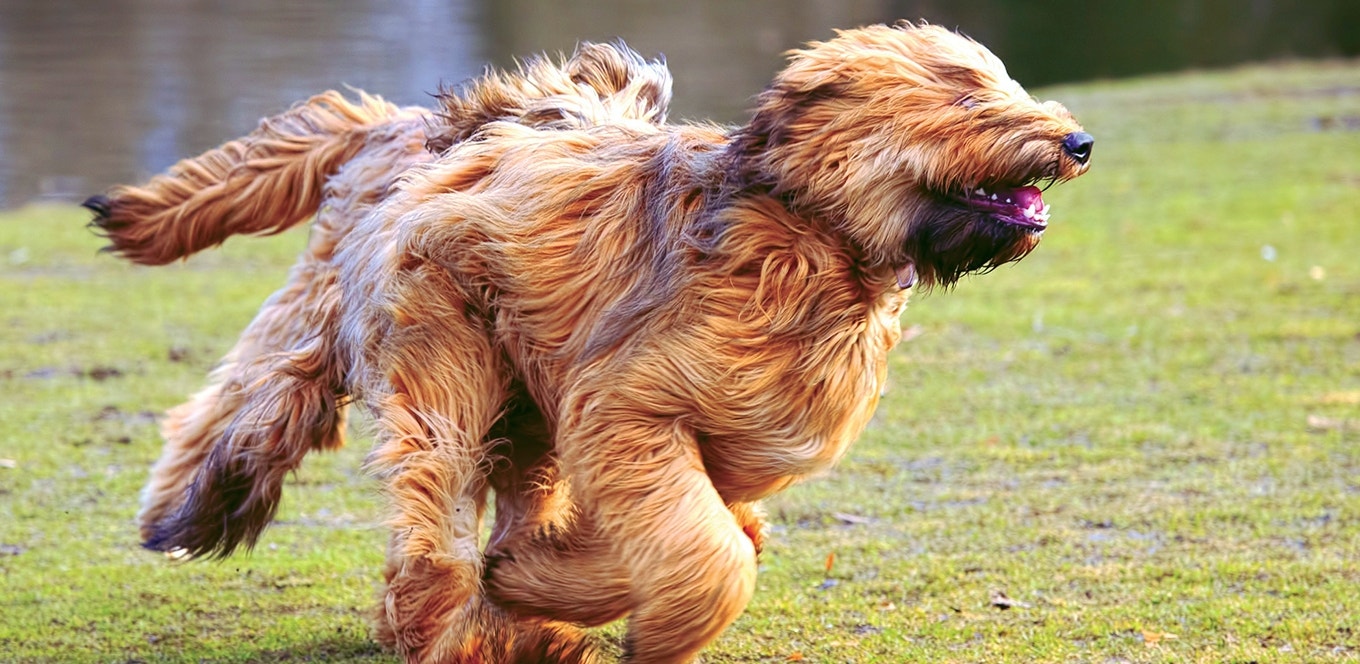
Puppies are balls of energy that do best with short bursts of exercise. (Think zoomies in the backyard.) The best activities are short, easy walks, a few play sessions throughout the day and, of course, obedience training. Avoid long walks and running because they can be too hard on your pup’s growing bones and joints.
Healthy adult dogs can do just about anything! Whether it’s walking, running, hiking, swimming, or playing tug-of-war or fetch, they’ll be getting the exercise they need to stay healthy and happy — plus they’ll enjoy spending time with you.
Although your senior dog might move at a slightly slower pace than before, they still need exercise and playtime. You may want to shorten walks and fetch time, though, and do other low-impact activities like learning new tricks.
Finally, make sure your dog is properly fueled for their next workout. Feed them high-quality, nutritionally balanced IAMS™ food that’s tailored for their unique size and life stage.