Enter a keyword below to search for articles and products.
Your dog needs antioxidants to help promote a healthy immune system. This is why every IAMS™ dog formula contains optimal levels of these nutrients.
Antioxidants are important naturally occurring nutrients that help maintain your dog’s health by slowing the destructive oxidative process of cellular molecules. IAMS research is advancing antioxidant nutrients for senior dogs — and the benefit is improved immune function.
Discover how the antioxidants in IAMS products can benefit your dog’s health in a number of ways.
Antioxidants are found naturally in the body and in plants such as fruits and vegetables. Common antioxidants include vitamin A, vitamin C, vitamin E and certain compounds called carotenoids (like lutein and beta-carotene). When antioxidants are part of a dog’s complete diet, they can provide the following benefits:
As cells function normally in the body, they produce damaged molecules called free radicals. These free radicals are highly unstable and steal components from other cellular molecules, such as fat, protein or DNA, thereby spreading the damage.
This damage continues in a chain reaction, and entire cells soon become damaged and die. This process is called peroxidation. Peroxidation is useful because it helps the body destroy cells that have outlived their usefulness, and it kills germs and parasites. However, when left unchecked, peroxidation also destroys or damages healthy cells.
Antioxidants help prevent widespread cellular destruction by willingly donating components to stabilize free radicals. More importantly, antioxidants return to the surface of the cell to stabilize rather than damage other cellular components.
When there are not enough antioxidants to hold peroxidation in check, free radicals begin damaging healthy cells, which can lead to problems. For example, free radical damage to immune cells can lead to an increased risk of infections.
Recent research has examined the benefits of certain antioxidants on the immune response of dogs, and the results of these studies indicated that antioxidants are important in helping dogs maintain a healthy immune system.
IAMS adult and puppy formulas contain optimal levels of antioxidants such as:
| Antioxidant | Source | Function |
|---|---|---|
| Vitamin E | Plant oil extract and tocopherols | Optimizes immune system’s T-cell activation |
| Beta-carotene | Vitamin premix, corn meal, chicken by-product meal and chicken fat | Optimizes types of cell present in the blood, increases antibody levels in the blood |
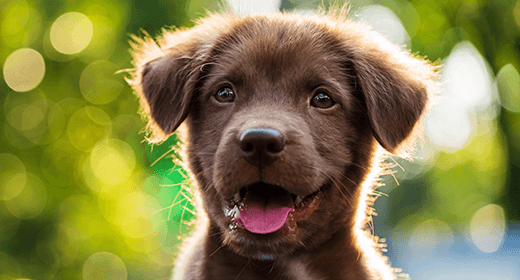
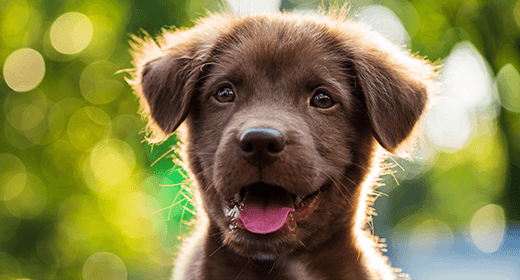
You’ll do anything to keep your puppy healthy and happy—IAMS™ is just the first step. Here’s some extra advice to help your puppy stay extra healthy.
Step 1: Begin with a play session and praise to relax your puppy. Then get on the same physical level as your puppy. With a large dog, kneel next to him while he's in the sitting position; with a small puppy, place him on a grooming table or a countertop.
Step 2: Place one hand over the top of the puppy's muzzle as shown. Hold the pill in your free hand and then gently open his mouth with that hand.
Step 3: Place the pill in the center of the tongue as far back as you're able to reach. Then close your puppy's mouth and hold it shut while you blow gently but quickly at his nose. This will cause your dog to swallow before he has a chance to spit the pill out. Give him a treat immediately afterward to ensure that the pill has really been swallowed. End each session with play and praise.
Just like you, your new puppy needs high-quality health care. Before you run into any dog health issues, ask a friend or your local humane society to recommend a veterinarian, then choose one with these factors in mind:
Once you've narrowed your choices, visit the veterinarian's office. Inspect the facility and talk to the doctor about your new puppy. If you like what you see and hear, arrange a time to bring your puppy in for an initial examination. It's a good idea to visit the veterinarian within the first three days after you bring your puppy home to make sure he's in good health. The veterinarian will probably check: