Enter a keyword below to search for articles and products.
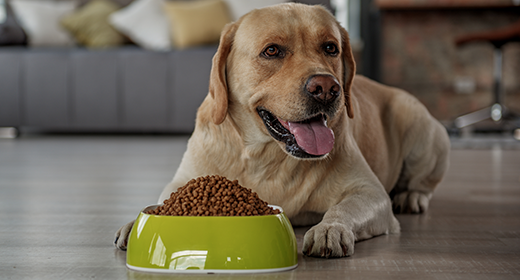
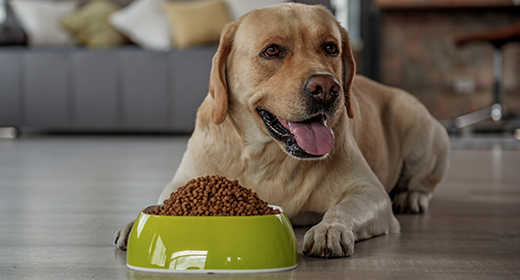
No two dogs are alike. So when choosing your pet's food, you'll want to take into consideration the dog's breed, size, age, weight, and lifestyle.
Full growth will happen at around 1 to 2 years, with the exact age determined by your dog's breed—small-breed dogs mature faster than large-breed dogs. “Grown dogs, especially ones who are more athletic, will start to eat more quantities in one feeding,” says Madan Khare, DVM. “You want to limit his feeding to one or two times a day, depending on his activity level.” Exact quantities should be determined by consulting your vet or by reading the package labels (just remember to split a daily serving in half if you choose to feed the dog twice a day).
When transitioning your dog from puppy food to premium adult food—such as IAMS™ ProActive Health™ Adult MiniChunks —you want to do it gradually. “Never change a dog's diet abruptly,” Khare says. Here's a schedule for transitioning your pet from puppy food to an adult dog food.
Day 1: Fill your dog's bowl with 75% puppy food and 25% premium adult dog food.
Day 2: Use 50% of each food.
Day 3: Feed your dog a mixture of 75% premium adult food and 25% of your current dog food.
Day 4: Give him 100% premium adult dog food.
Daily exercise and a diet packed with high-quality protein from chicken, lamb, or fish and essential nutrients will keep him happy and healthy throughout his lifetime. Premium dry pet food has all of the daily nutrition your pet needs. It helps promote healthy teeth and gums, too.
“When it comes to feeding your dog human food, I have three words,” Khare says. “No. No. No.” Interfering with your pet's food regimen by adding higher-fat and higher-calorie human foods can disturb the animal's digestive system. When it comes to biscuits, Khare recommends looking for ones low in sugar, salt, and fat. 'You have to keep in mind that you're adding calories to his daily diet, so offer them in moderation,” Khare says. Finally, make sure your pet has a clean bowl of fresh water at all times.
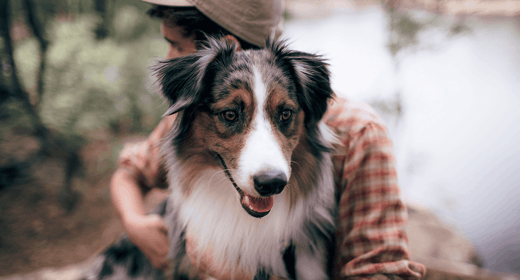
Most humans recognize a hug as a sign of affection and friendship. In an IAMS™ survey*, 83% of dog parents say their dog likes hugs too. But how do dogs feel about them? Bring it in! We’re going to try and get our arms around this question.
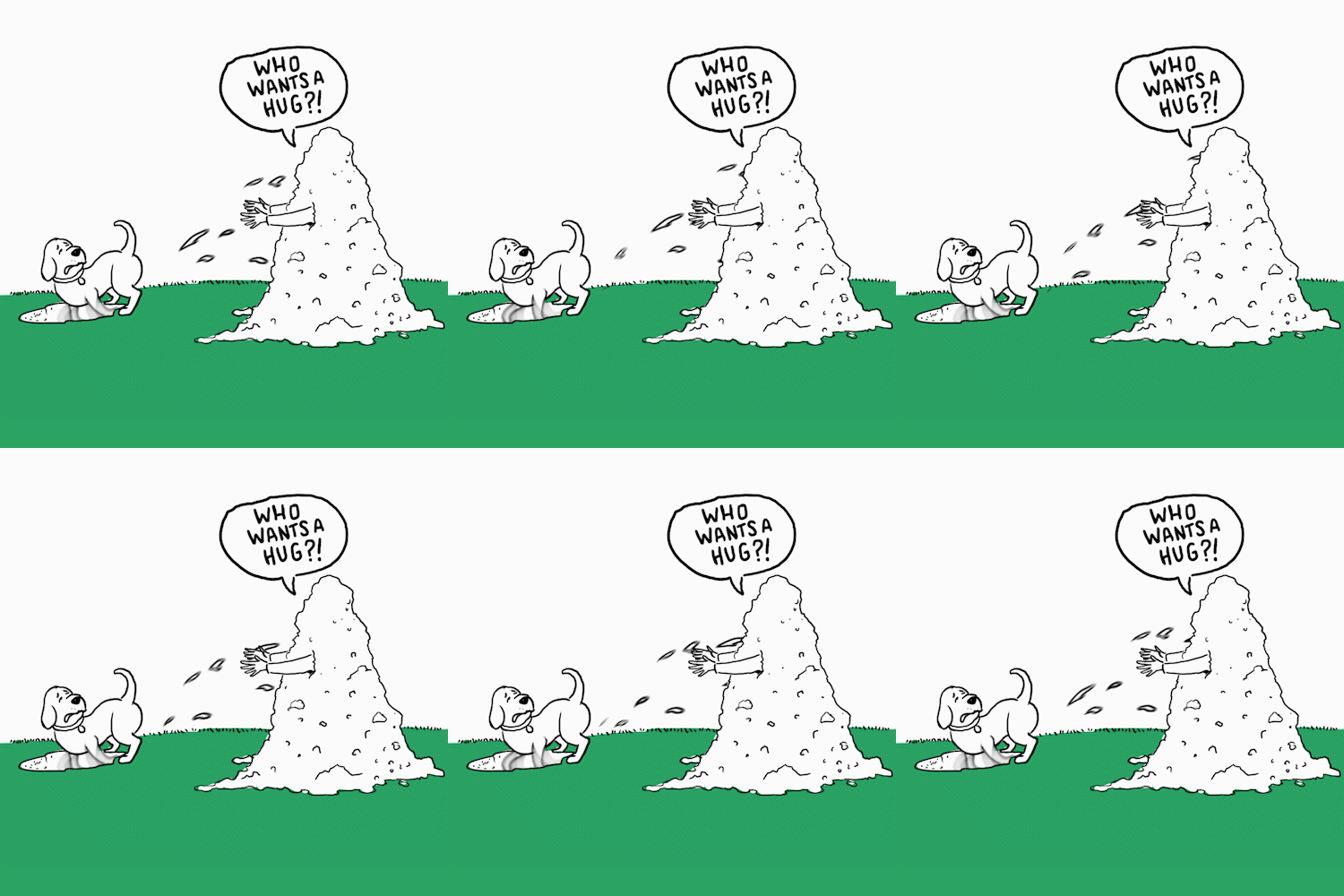
Sure, some dogs enjoy a good canine cuddle, but usually only with their owner or household members. Otherwise, they don’t really care for it. “Hugging is too much and overwhelming for many dogs and should be discouraged if the dog doesn’t know the individual very well,” advises
Opens a new windowJames Serpell, B.S., Ph.D., Professor of Humane Ethics & Animal Welfare at the University of Pennsylvania School of Veterinary Medicine.
There are a number of reasons for this:
Hugging is a human behavior, not a dog behavior. They’re just not physically built for that kind of interaction. We stand upright, so we face people. Dogs are on all fours, so it’s an unnatural act for them. They much prefer a friendly sniff to greet other dogs.
To dogs, a hug is seen as a very dominant form of behavior; it feels like a stranger is trying to assert control over them. It can be quite stressful, especially if done by someone they’re not familiar with.
Since ancient dog days, canines’ first instinctive line of defense has been to run away from danger. Hugging takes this primal option away and can make them feel trapped and confined. Remember when you were a kid getting hugged by that loud great aunt you’ve never met at your dad’s second cousin’s wedding? That’s kind of what your dog is feeling. Who is this? What are they doing? They want to escape too.
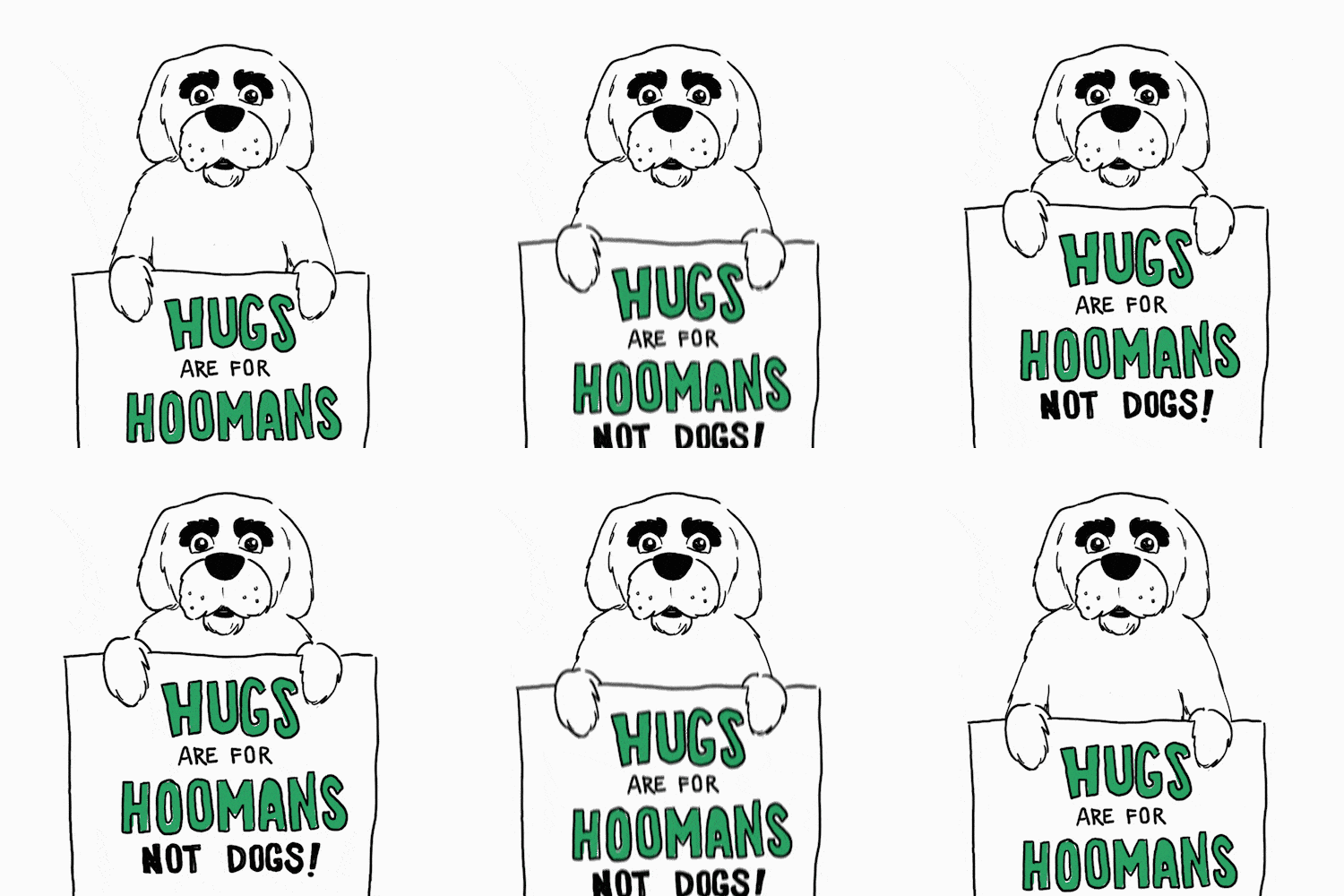
You can usually tell by their body language, says
Opens a new windowDr. Jo Gale, BVetMed CertLAS MRCVS, Senior Manager, Global Science Advocacy at Waltham Petcare Science Institute: “Watch for trembling, trying to get away, raised hackles or whites around their eyes. It’s very important to pay attention to this behavior and respect it.”
Don’t worry if your dog doesn’t want to hug it out. There are plenty of healthier ways you can show them you’re still their best friend:
*Surveyed U.S. dog owners, age 18+
Sample Size: n=201
Fielded May 8-10, 2020