Enter a keyword below to search for articles and products.
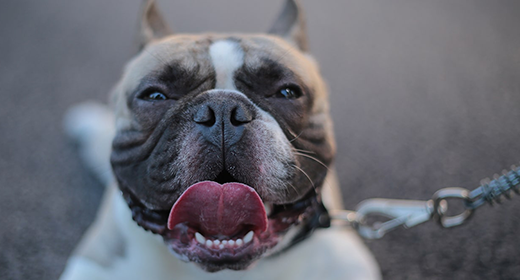
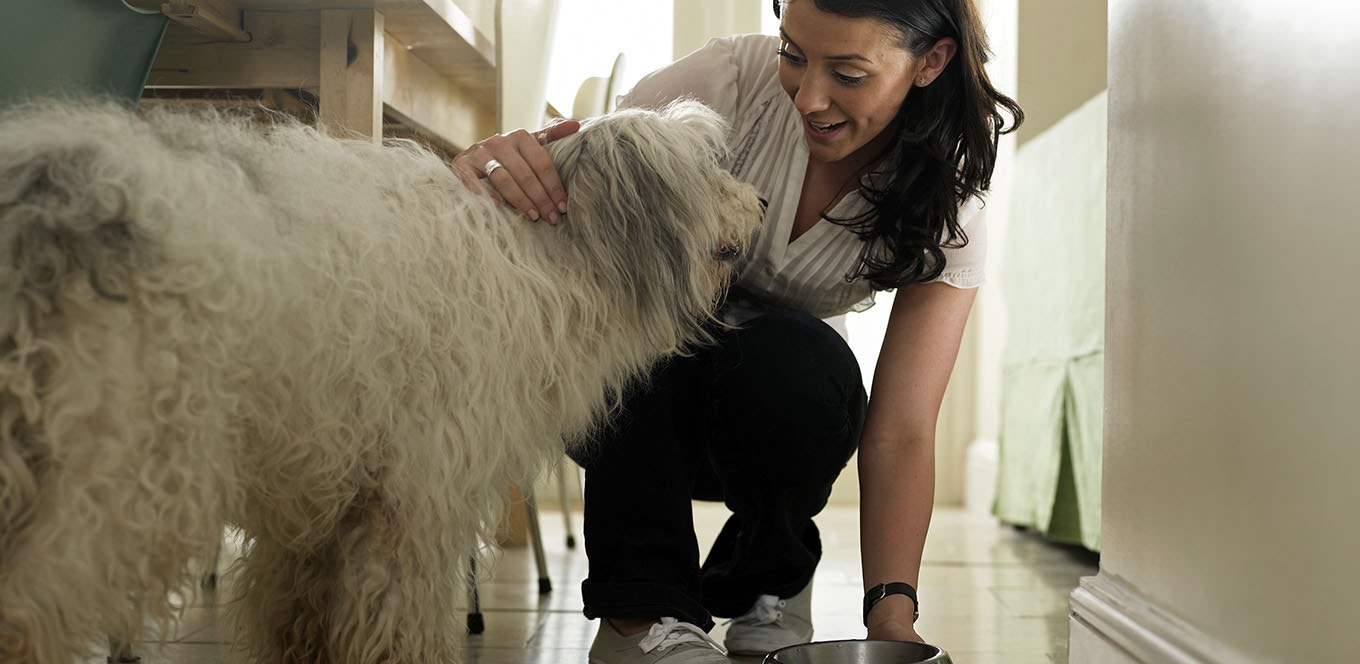
Switching your dog to a new food takes some planning. Because dogs are creatures of habit, they tend to prefer their current food to a new food. Like us, they become accustomed to a food and might not be thrilled about a new routine. These useful dog-feeding tips will help you keep your dog satisfied.
When easing your dog into a change in diet, think “slow and steady.” Start by mixing 25% new food with 75% current food. Slowly change the proportions over the next three days or so by gradually increasing the new food and lessening the amount of the current food. Here’s a sample feeding schedule:
At the end of this weaning process, you should be feeding 100% of the new food. Your dog may want to eat only the old food, or not eat at all. Don’t worry — a healthy dog can miss meals for a day or two with no ill effects.
Bringing a new food into your home, pouring it into your dog’s bowl and declaring that he should eat it might cause your dog to go on a hunger strike. This is not the time to show who’s boss. It’s better to introduce the new food by using a pleasant tone of voice and gently encouraging him to try the new food.
Persistence is key! For the first two days of the food transition, don’t give your dog treats or table scraps. Dogs train us as much as we train them. Giving in to their demands only reinforces refusal behavior and makes it more difficult to make a nutritious dietary change.
Switching diets may be more challenging when changing from a moist food to a dry food. If your dog continues to resist eating dry food, mix in a little warm water. You might even want to put the moistened food in the microwave for a few seconds. If you mix the food with water, be sure to throw away the uneaten portion after 20 minutes to prevent spoilage. The same rule applies for canned and pouch food. After the dog has become accustomed to the moistened food, you can wean him onto completely dry food. To do this, follow the same mixing instructions outlined above.
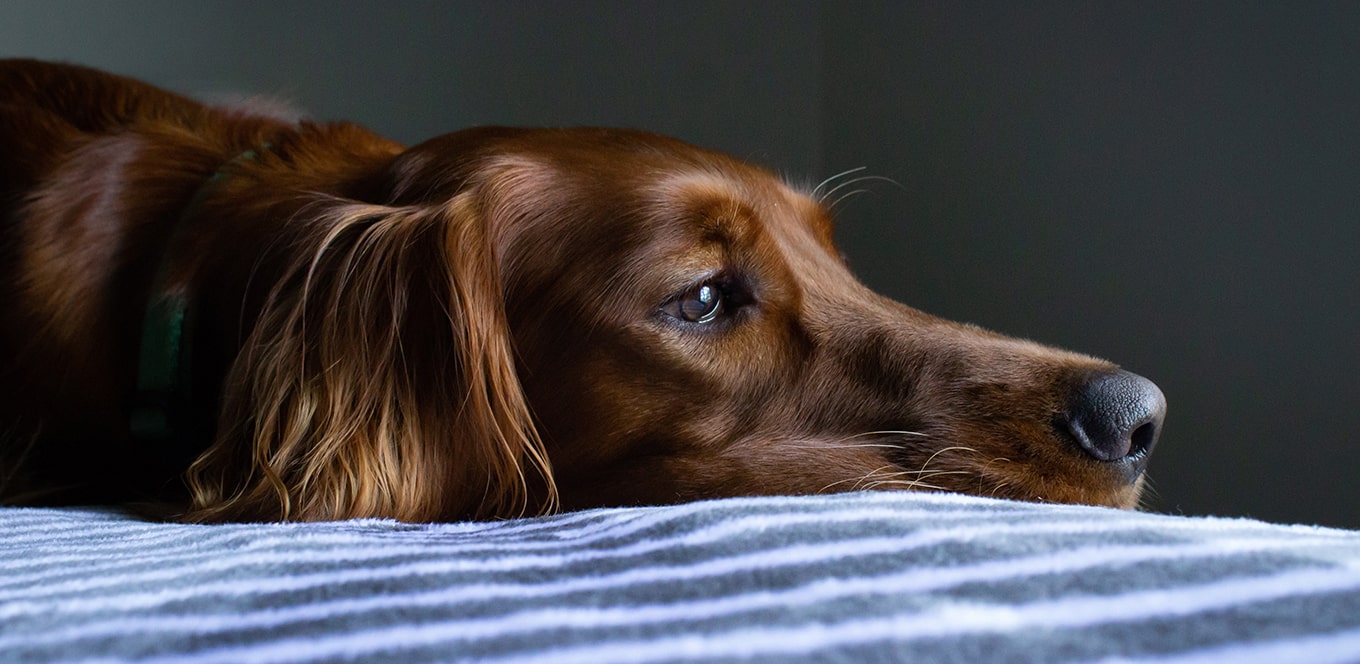
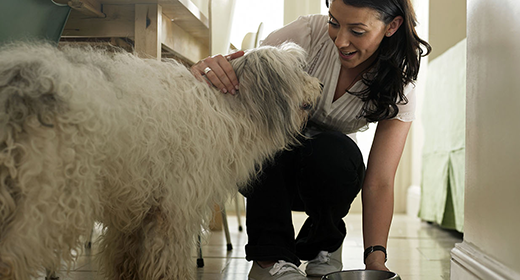
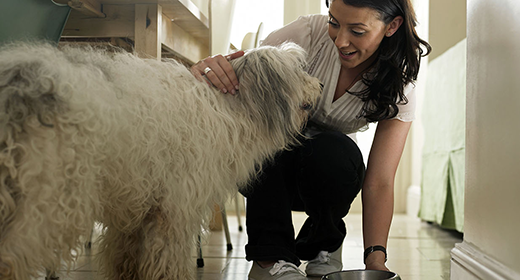
Dogs hit maturity around 7 years of age (5 years for larger dogs). It's not uncommon for them to live as long as 15 years. As your pet enters his golden years, his activity level might slow down and common conditions such as arthritis, diabetes, and kidney disease may arise. “It is so more important to monitor the eating habits of older pets,” stresses Tom Carpenter, DVM, president of the American Animal Hospital Association. “Generally, older pets do not need as much protein, sodium, and phosphorus. But your veterinarian needs to address this for your individual pet,” he says, adding that semiannual vet visits are recommended for an older animal.
Some mature dogs are prone to obesity. To test whether your dog is at a healthy weight, move your hands along his sides. If you can feel his ribs (but don't see them), he's doing okay. But if you feel a fat covering, or you visibly notice a rounded abdomen, he might be overweight. Exercise is still important for a senior dog, and if he's gained weight, you want to look for a low-fat weight-control food that contains vitamin-rich fish oils (IAMS™ ProActive Health™ Mature Adult is one good choice).
Other mature pets can become finicky eaters and lose weight as they age. 'Very old pets may actually need a more calorie-dense diet,' Carpenter says. Older dogs can lose their sense of smell and have a harder time chewing their food. To make mature dog food easier to eat, you can top their dry food with room-temperature wet food.
If your dog is gaining or losing a lot of weight, slightly decrease or increase his daily feedings. A sudden change in weight or appetite might be a sign of disease, so you should check with your vet. Water is also essential. 'Older pets are at a higher risk of dehydration,' Carpenter says. Provide a clean bowl with fresh water at all times.