Enter a keyword below to search for articles and products.
Fiber is a type of carbohydrate that isn't digested by a cat's gastrointestinal tract. It is important for cat health, because it provides bulk to move food through. Some types of fiber can be fermented (broken down by bacteria) in the system. This process creates short-chain fatty acids (SCFA), which are an important energy source for the cells lining the intestinal tract.
Today, people are more aware of fiber and its role in their diet. Studies showing the beneficial effects of higher fiber levels in humans influence the way many people think about their own food and that of their pets. Some manufacturers now apply the recommendations of human nutritionists and make high-fiber diets for cats, but cats have a much shorter digestive tract than we do. And unlike humans, cats are carnivorous, so their nutritional needs are better satisfied with meat rather than plant matter. Therefore, cats have different dietary needs than humans. For more than 60 years, companion animal nutritionists at IAMS™ have been studying diets to meet the special nutritional needs of cats.
IAMS Company research shows the optimal crude fiber level for healthy cats ranges from 1.4% to 3.5%. At these levels, nutrient breakdown is maximized. In unique situations, such as hairballs, higher fiber levels may be beneficial.
An important characteristic of fiber is its fermentability, or how well it can be broken down by bacteria in the intestine. This breakdown produces short-chain fatty acids, which provide energy to the intestines. Fiber varies in fermentability. Fiber sources used in pet foods include cellulose, which is poorly fermentable; beet pulp, which is moderately fermentable; and gums and pectin, which can be highly fermentable. Research has shown that moderate levels of moderately fermentable fiber, such as beet pulp, provide the benefits of energy for the intestinal lining and bulk, without the negative effects of excessive stool or gas and, therefore, are beneficial in cat diets.
High levels of poorly fermentable fiber are used in some weight-reduction pet foods to dilute the calories in a serving. IAMS Company research shows that high fiber levels can make it harder to digest other nutrients in the food and, in turn, reduce the nutritional quality of a cat's diet. Your cat making more trips to the litter box can be a result.
When choosing a pet food, fiber is an important consideration, but remember that the needs of cats are not the same as those of humans. A moderate level of moderately fermentable fiber, such as beet pulp, provides proven nutritional benefits for cats. Cat diets containing high levels of poorly fermentable fiber dilute calories and deprive cats of the nutrients they need.
All IAMS products are made with levels of moderately fermentable fiber needed to promote intestinal health. And all IAMS foods contain the moderately fermentable fiber system, which is the exclusive property of IAMS Company and is protected by U.S. Patent No. 5,616,569 for Pet Food Products Containing Fermentable Fibers and Process for Treating Gastrointestinal Disorders.
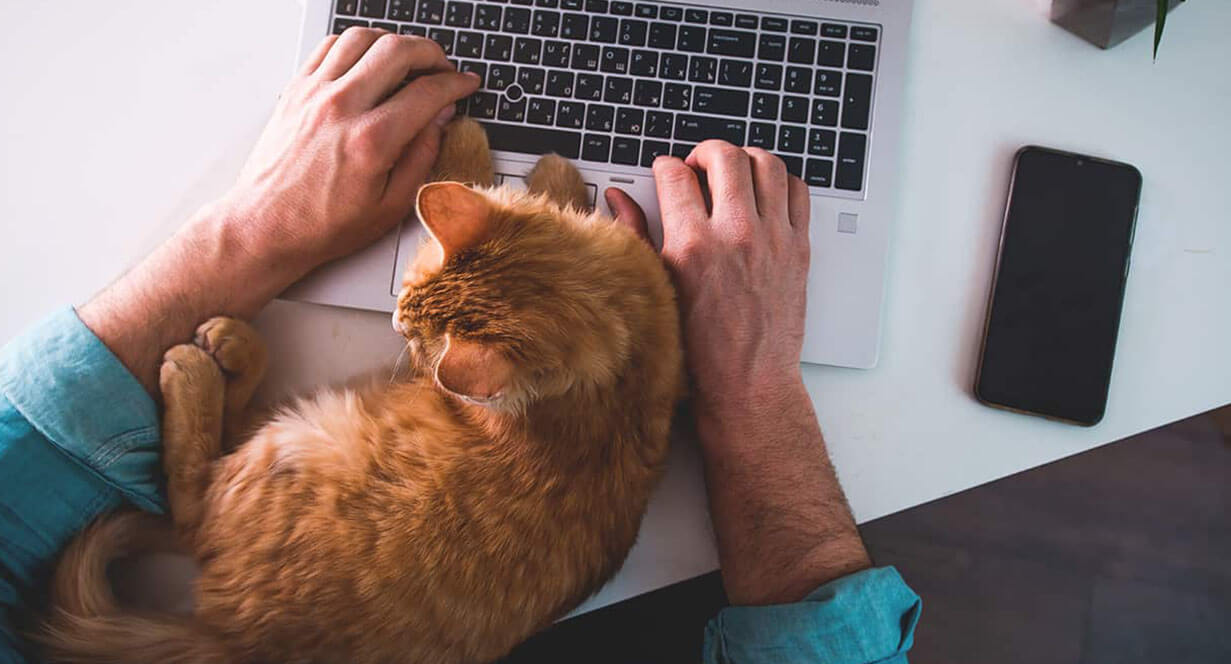
You’ve probably heard that cats are aloof, but that’s not always the case. They can be affectionate, playful and highly attached to their owners, much like a dog. It’s just that cats are at a disadvantage versus dogs because they don’t have the facial physiology that lets their canine counterparts “smile” all the time.
So, don’t be fooled — cats are not only happy, but also immensely talented at bringing joy to their humans. In the market for crazy antics one minute, soft cuddles the next? Cats are a low-risk, high-yield investment in complex personalities.
With any cat adoption, you are literally saving that animal’s life. Plus, you’re supporting the organization you adopt from, which in turn allows them to help more animals in need, so you’re basically a hero. And all these good feelings happen before you even bring your new kitty home!
Who couldn’t use another friend? Especially one that’s a furry, adorable biscuit factory. Research shows that having a cat can reduce stress and increase confidence, and it’s hard to beat quality time with a cat for anxiety relief. Journalist Jane Pauley once said, “You cannot look at a sleeping cat and feel tense.”
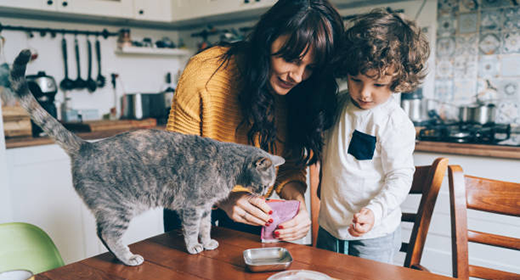
Adopting a cat can be a great move for children, too. There’s no better way to nurture values such as responsibility and empathy than with a frolicky, purrmotored pal. A survey of parents found that children who had bonded with a feline friend enjoy a higher quality of life. (They wanted to survey the cats too, but there was a sunny spot on the carpet that needed to be napped in, so …)
Cats are amazing. They entertain us by defying gravity and contorting themselves into spine-twisting postures. An inquisitive meow or a nudge with their head can totally banish a bad mood. They are the perfect companion to all. If you’re thinking about adding a cute, flu'y, serotonin-boosting kitty cat, this is your sign: Do it!