Enter a keyword below to search for articles and products.
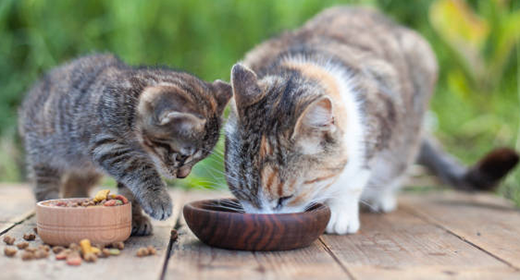
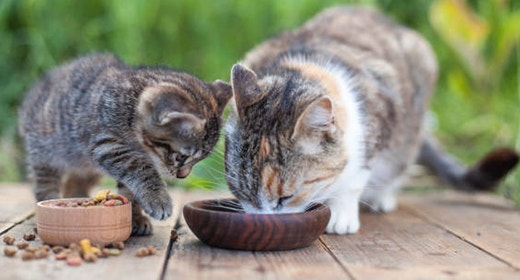
Compared with humans, your favorite feline needs a high-fat, high-protein diet with certain animal nutrients.
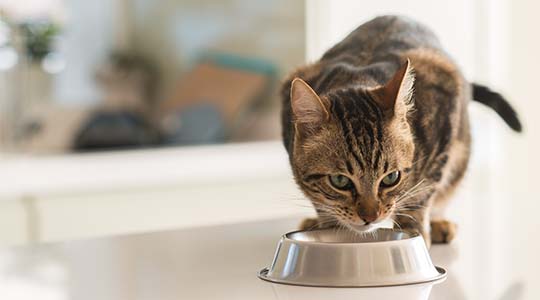
Cats usually eat many small meals throughout the day, so they easily adopt a free-choice feeding schedule to maintain their normal body weight. Dry foods, such as IAMS™ Proactive Health™ Healthy Adult - Chicken, are best suited for free-choice feeding because they stay fresh longer.
Cats need nutrients from animal-based protein sources. Providing the vitamins, minerals, protein, and other components found in a complete and balanced pet food can lead to a long and healthy life for your cat. It is important to avoid supplementing your cat's diet, as doing so may lead to a variety of health problems. When selecting a pet food, look for ones that offer the following nutrients:
Animal protein from meat, poultry, fish, or egg sources to maintain strong muscular structure, vital organs, antibodies, and more
Taurine, an amino acid found in meat sources such as chicken and fish, but not in plant proteins, to maintain healthy eyes, prevent heart disease, and promote healthy reproduction, fetal growth, and development
Essential vitamins and minerals such as vitamin A, which can be found pre-formed only in animal tissues, and vitamin E to help support the immune system
A precise balance of fatty acids to help promote excellent skin and coat health
A fiber source, such as beet pulp, that will help maintain your cat's digestive system health.
Pregnant or Lactating Cats
A cat's energy intake should be increased gradually by up to 50% over her maintenance intake through pregnancy. You can use kitten food to provide nutritional support during the last few weeks of gestation.
After birth, the mother cat's energy needs increase by 50% to 75% over normal in the first week to twice normal the second week and to three times during the third week. The third and fourth weeks are the most demanding because kittens are still consuming milk and have not begun to eat dry food. Once kittens begin weaning, the mother cat should be tapered back to normal food portions to avoid unnecessary weight gain.
Avoiding Obesity
Food and energy requirements may vary for your adult cat. In general, indoor cats have less opportunity or need to exercise than outdoor cats. As a result, indoor cats are more prone to obesity, and regular exercise should be encouraged. You may want to control your cat's portions.
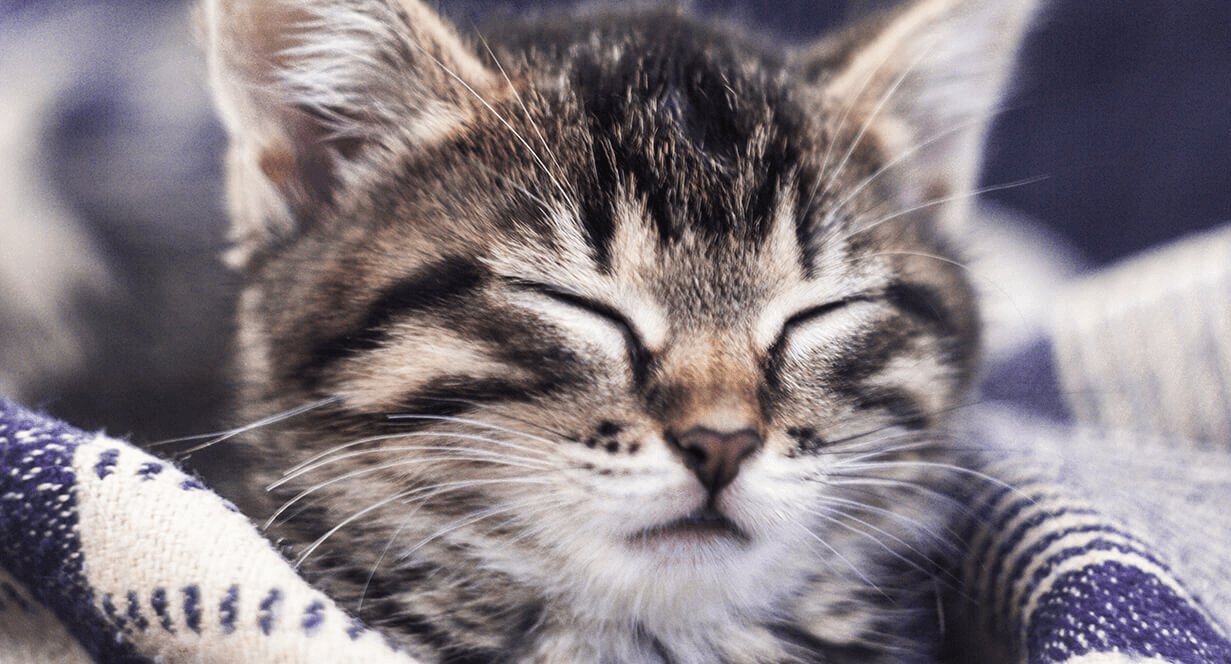
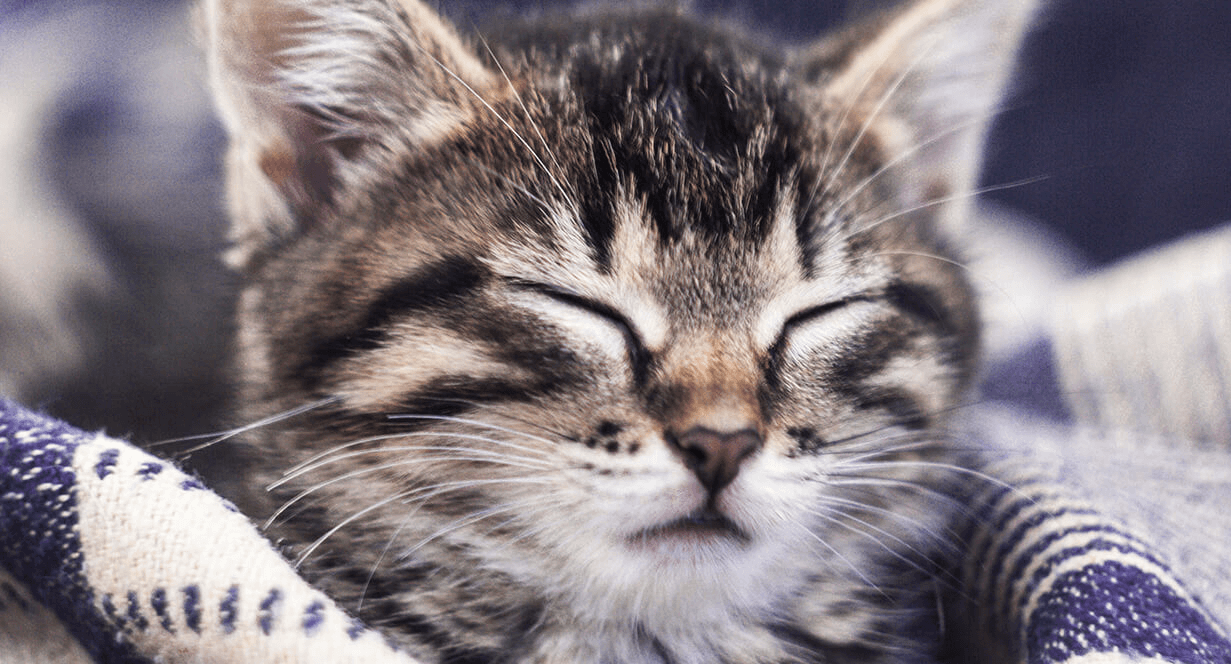
Most cats spend a considerable amount of time grooming their coats. As they do so, their hair is swallowed and may build up over time in their stomach. If the hairball doesn’t pass from the stomach, the cat will attempt to eliminate it by coughing or gagging.
Many cats have a hairball at some point in their life, but some cats, such as long-haired cats and cats that groom excessively, are especially prone to hairballs. In hairball-prone cats, frequent brushing can help reduce the amount of hair that is ingested, thereby reducing the risk of hairball formation. Feeding a special diet designed to decrease the likelihood of developing a hairball may also help.
Diet can be important in hairball relief for several reasons. The fiber combination of powdered cellulose and beet pulp in IAMS™ hairball formulas helps move hair through the digestive tract. IAMS research has shown that cats fed IAMS ProActive Health™ Adult Hairball Care pass 80% more hair in their feces than cats fed a leading premium dry cat food. By helping ingested hair to be passed from the digestive tract, IAMS hairball formulas help reduce the opportunities for hairballs to form. This fiber blend also includes a moderately fermentable component to promote intestinal health. High-quality, animal-based protein and fat, found in IAMS hairball formulas, provide important nutrients for skin and coat health. Maintaining skin and coat health may reduce the risk of excessive shedding, ingestion of hair from grooming, and, consequently, hairball formation.
Overweight cats have special nutritional needs in order to promote weight loss or weight management. Likewise, senior cats have special nutritional needs that are better met through a diet designed specifically for them. If an overweight or senior cat has problems with hairballs, feeding an IAMS hairball formula for indoor or senior (age 7+) cats is a great choice.
Yes. Mixing other foods with IAMS hairball formulas may compromise the effectiveness of this diet by diluting the nutrients that help reduce the risk of hairball formation. Switching between IAMS hairball formulas and another cat food may also decrease the benefit of feeding this diet.