Enter a keyword below to search for articles and products.
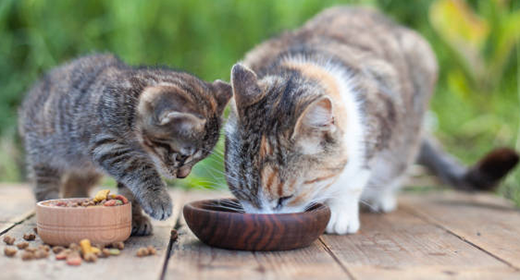
Compared with humans, your favorite feline needs a high-fat, high-protein diet with certain animal nutrients.
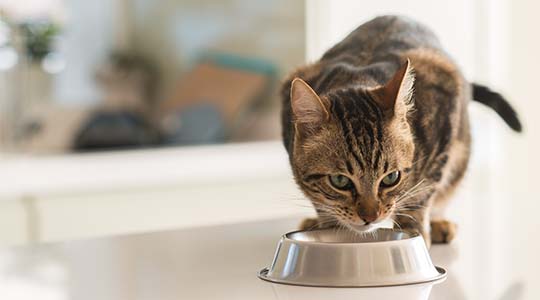
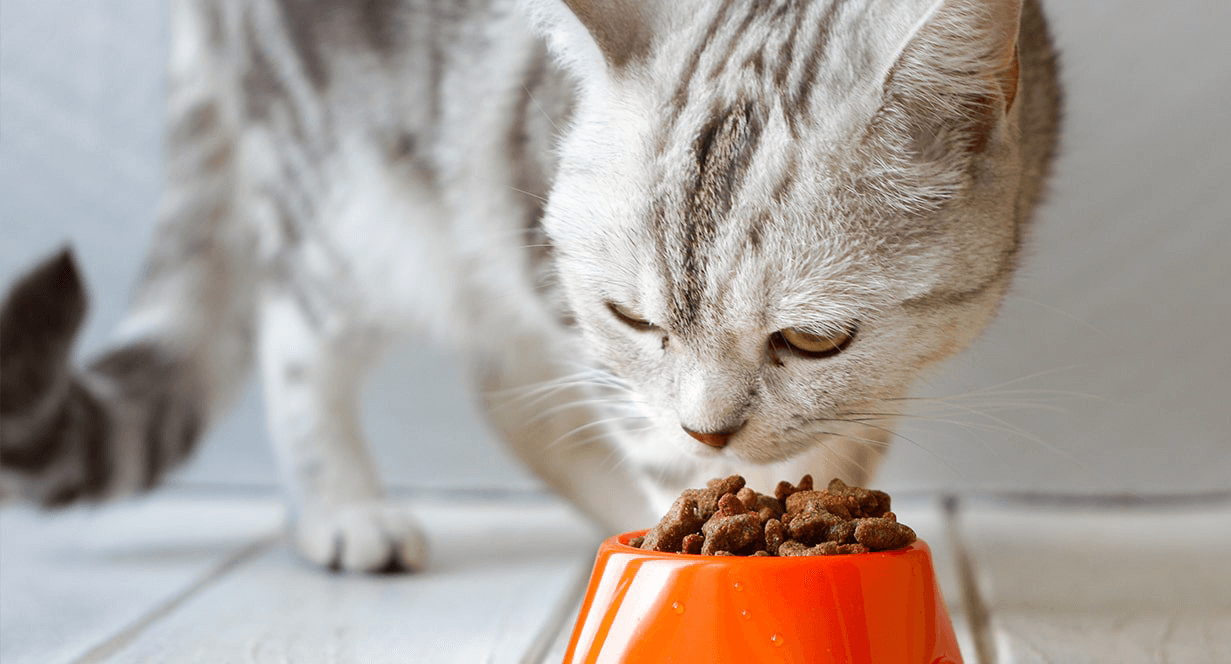
Cats usually eat many small meals throughout the day, so they easily adopt a free-choice feeding schedule to maintain their normal body weight. Dry foods, such as IAMS™ Proactive Health™ Healthy Adult - Chicken, are best suited for free-choice feeding because they stay fresh longer.
Cats need nutrients from animal-based protein sources. Providing the vitamins, minerals, protein, and other components found in a complete and balanced pet food can lead to a long and healthy life for your cat. It is important to avoid supplementing your cat's diet, as doing so may lead to a variety of health problems. When selecting a pet food, look for ones that offer the following nutrients:
Animal protein from meat, poultry, fish, or egg sources to maintain strong muscular structure, vital organs, antibodies, and more
Taurine, an amino acid found in meat sources such as chicken and fish, but not in plant proteins, to maintain healthy eyes, prevent heart disease, and promote healthy reproduction, fetal growth, and development
Essential vitamins and minerals such as vitamin A, which can be found pre-formed only in animal tissues, and vitamin E to help support the immune system
A precise balance of fatty acids to help promote excellent skin and coat health
A fiber source, such as beet pulp, that will help maintain your cat's digestive system health.
Pregnant or Lactating Cats
A cat's energy intake should be increased gradually by up to 50% over her maintenance intake through pregnancy. You can use kitten food to provide nutritional support during the last few weeks of gestation.
After birth, the mother cat's energy needs increase by 50% to 75% over normal in the first week to twice normal the second week and to three times during the third week. The third and fourth weeks are the most demanding because kittens are still consuming milk and have not begun to eat dry food. Once kittens begin weaning, the mother cat should be tapered back to normal food portions to avoid unnecessary weight gain.
Avoiding Obesity
Food and energy requirements may vary for your adult cat. In general, indoor cats have less opportunity or need to exercise than outdoor cats. As a result, indoor cats are more prone to obesity, and regular exercise should be encouraged. You may want to control your cat's portions.
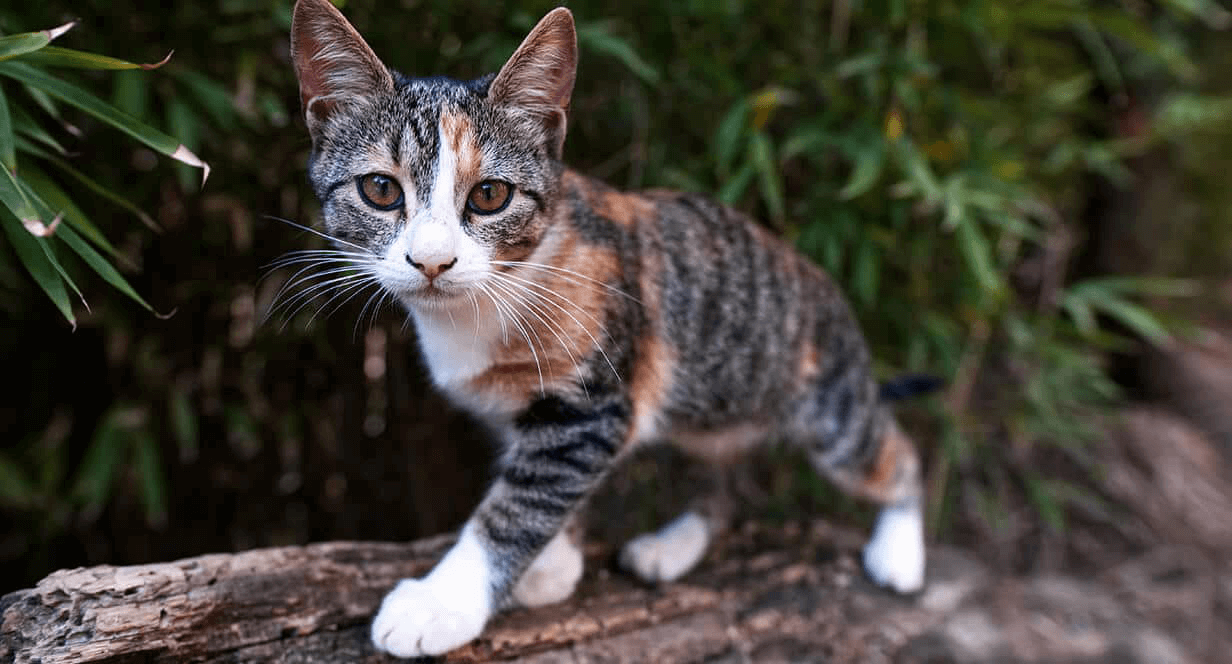
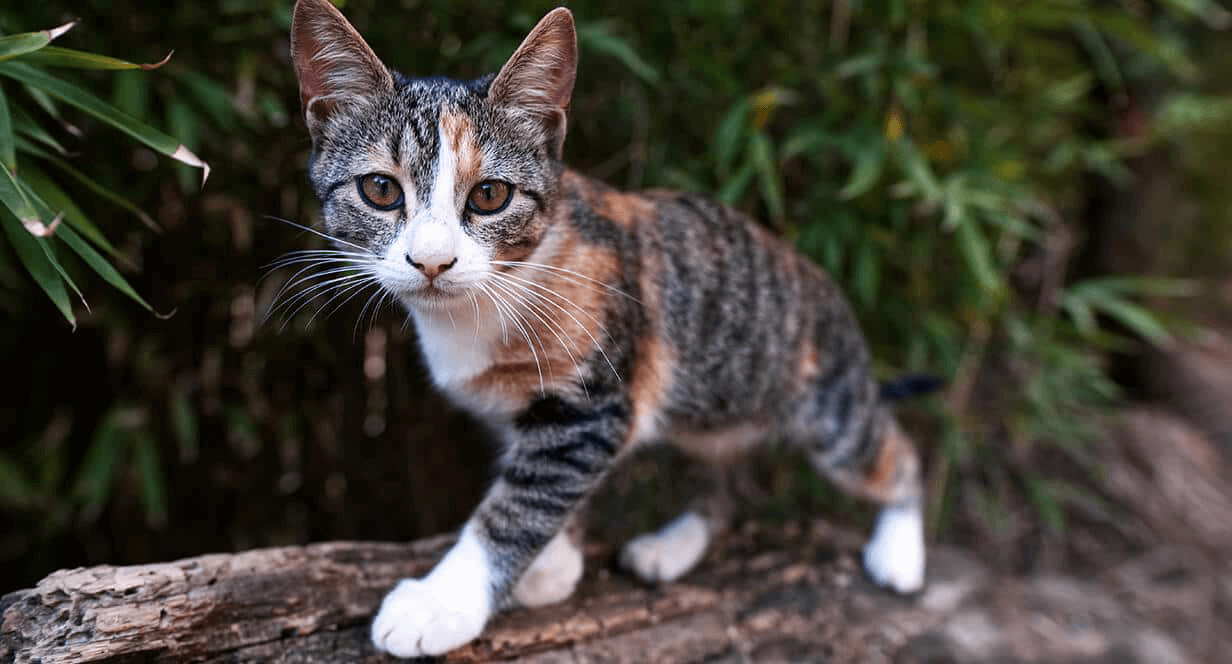
Is anything cuter than an adorable kitten with a gorgeous, healthy coat? We don’t think so. That’s why we include fish oil in IAMS™ dry kitten food to help promote healthy skin and a healthy coat for your furry bundle of joy.
Let’s dive deeper into fish oil and meal, what it does, how it can help your kitten and why it’s an important component in all IAMS™ dry kitten foods.
Let’s dive deeper into fish oil and meal, what it does, how it can help your kitten and why it’s an important component in all IAMS™ dry kitten foods.
You guessed it: Fish oil is fat or oil extracted from fish. Fish meal, which is used in IAMS™ dry kitten foods, is a good source of natural fish oil — which is a high-quality source of omega-3 fatty acids.
Now, time for a science lesson! Fatty acids, a smaller component of fat, are critical for many kitten body functions. Omega-3 fatty acids are a type of fatty acid with important nutritional value for kittens. Fish oil from deep, cold-water fish contains omega-3 fatty acids including eicosapentaenoic acid (EPA) and docosahexaenoic acid (DHA).
When a kitten eats food with fatty acids, the fatty acids are incorporated into their tissues, including the skin. (Turns out you really are what you eat!) Omega-3 fatty acids produce substances that promote healthy skin conditions, especially when balanced with omega-6 fatty acids (found in common kitten food ingredients such as chicken fat and corn oil).
So what does all this mean for your kitten? Feeding a complete and balanced diet with a balanced ratio of omega-6 and omega-3 fatty acids is proven to promote healthy skin and a shiny coat in cats1. Studies reveal that when fed fish oil, cats show:
DHA from fish oil has also been shown to promote healthy brain and vision development in kittens — important for all the hours of play and nighttime zoomies your kitten will experience in their lifetime.
All IAMS™ dry kitten foods, such as IAMS™ ProActive Health™ Mother And Kitten, are formulated with fish oil and an optimal ratio of omega-3 and omega-6 fatty acids. Proper nutrition as a kitten can help support your kitten’s soft and shiny coat now — and for all the years to come.
1 Data on file, The IAMS™ Company, 2000.